
What Vermont homes are up against.
NOAA National Centers for Environmental Information, Storm Events Database, bulk CSV export, events 2015-01-01 through 2024-12-31. · U.S. Census Bureau, 2020-2024 American Community Survey 5-Year Estimates

What a contractor has to work out before quoting a water heater job often starts with the fuel. Fuel oil or kerosene heats more occupied homes in Vermont than any other fuel, at 38.5% (2020-2024 ACS 5-year). A house running on oil or kerosene feeds its water heater through a flue and a combustion air supply designed around that fuel, and a replacement has to fit inside those constraints. Swapping to a different fuel type is not a matter of preference; it requires changes to venting and sometimes to the mechanical room itself. That is why two houses on the same road can call for different equipment and different scopes of work.
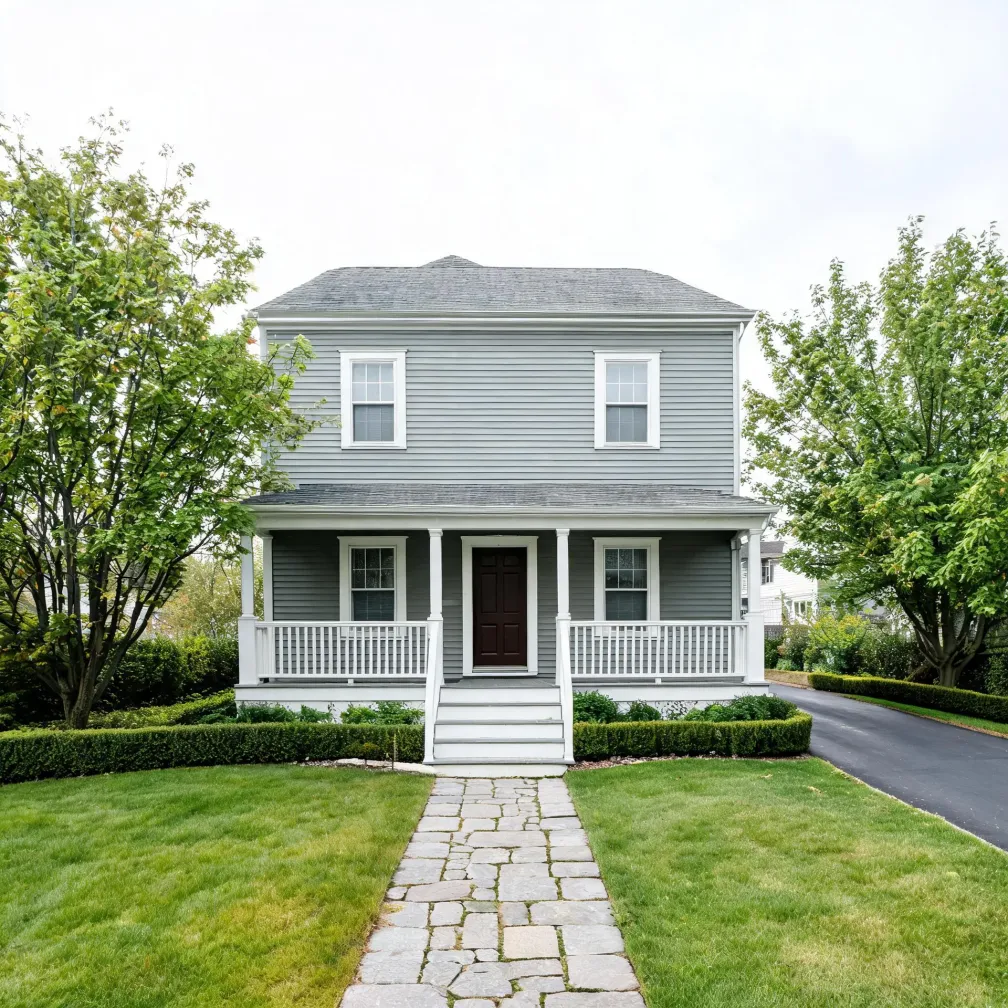
A quote for a new water heater starts with what the existing setup actually is. The connection points, the venting path, the electrical circuit: all of it has to be looked at before a contractor can tell you whether the install is a straightforward replacement or whether something behind the wall needs to change first. Half the homes in Vermont were built in 1976 or earlier (2020-2024 ACS 5-year). That puts the figure statewide, not in a handful of older towns, which means a contractor working anywhere in Vermont prices the inspection into the job rather than assuming the hookup matches current equipment.
How does your Vermont county compare on severe weather?
2015–2024 · Source: NOAA National Centers for Environmental Information, Storm Events Database.
A water heater installed outdoors or in an unheated space answers to whatever the weather does that year. Wind can loosen venting, ice can block an intake or exhaust, and a hard freeze can stress the tank and its lines. Have a contractor check where the unit sits, how it is secured, and the condition of its venting and connections.