Tell us about the job
Takes about a minute. No obligation.
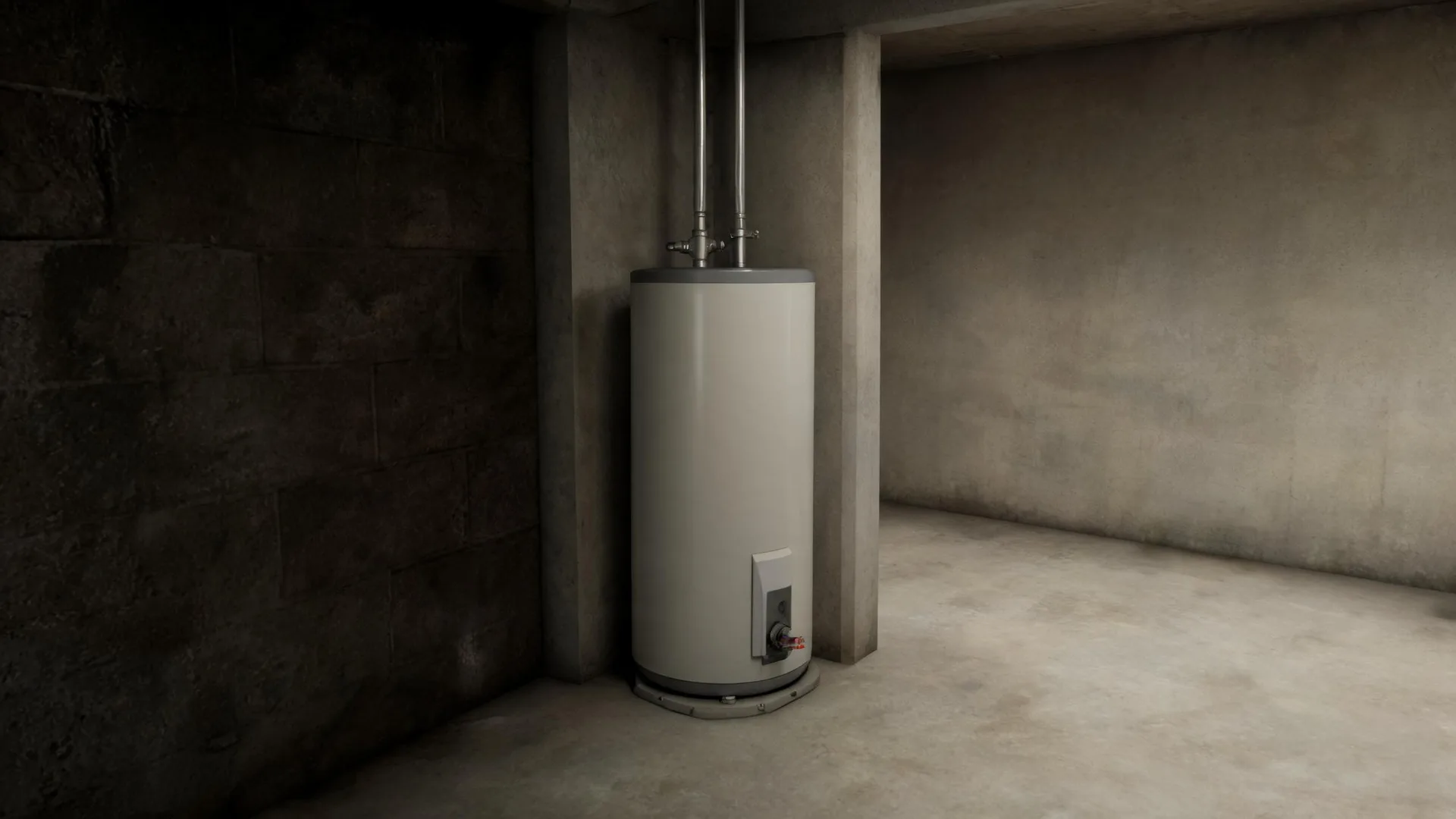
Replacing a water heater in Orange County starts with fuel. Fuel oil or kerosene heats more occupied homes in Orange County, Vermont than any other fuel, at 39.2% (2020-2024 ACS 5-year). A contractor quoting a replacement here has to verify that the venting is sized and routed for an oil or kerosene appliance, and that the combustion air supply meets what the new unit draws. A high-efficiency unit vented differently than the old one may require a liner or a dedicated air intake, and those are decisions made before anything is priced.
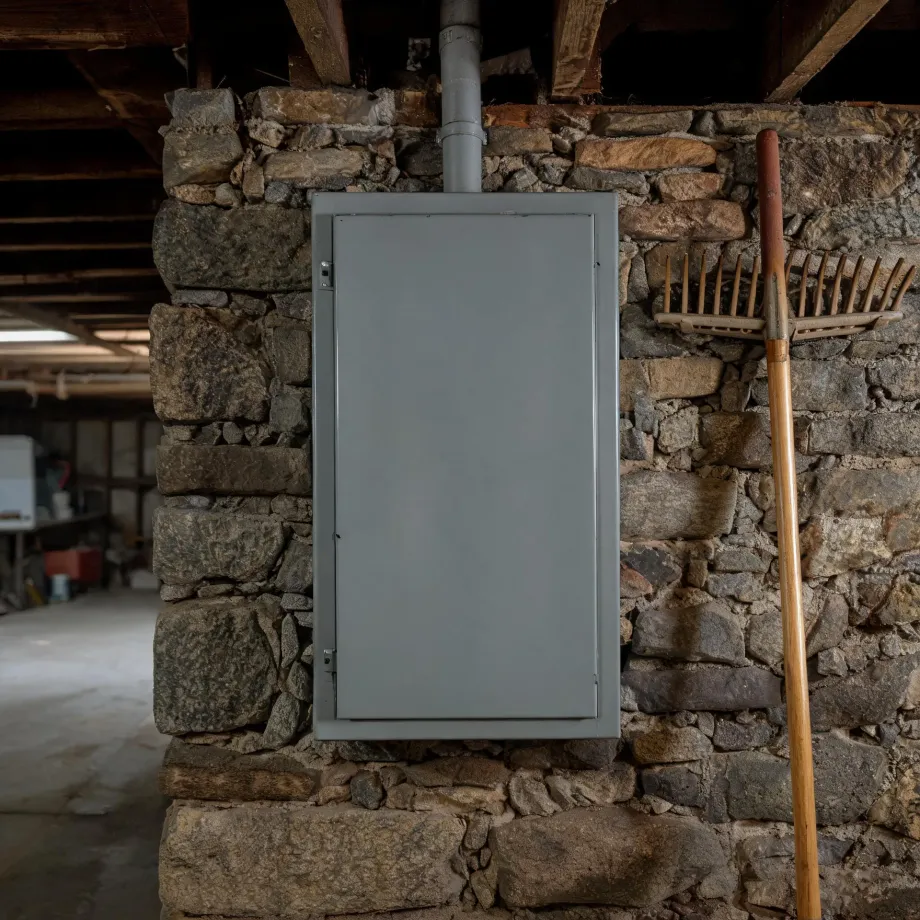
Electrical service in a house is sized at the time it is built, and the wiring in much of Orange County's housing stock was put in for appliances that drew far less than a modern water heater does. Half the homes in Orange County, Vermont were built in 1978 or earlier (2020-2024 ACS 5-year). That gap is what a contractor checks before anything else: whether the panel has room, whether the circuit run to the water heater location is adequate, and whether any upgrade falls inside or outside the install scope. The equipment itself is straightforward to source. What the house already carries is the variable that changes the job.
What Gets Installed With a New Water Heater
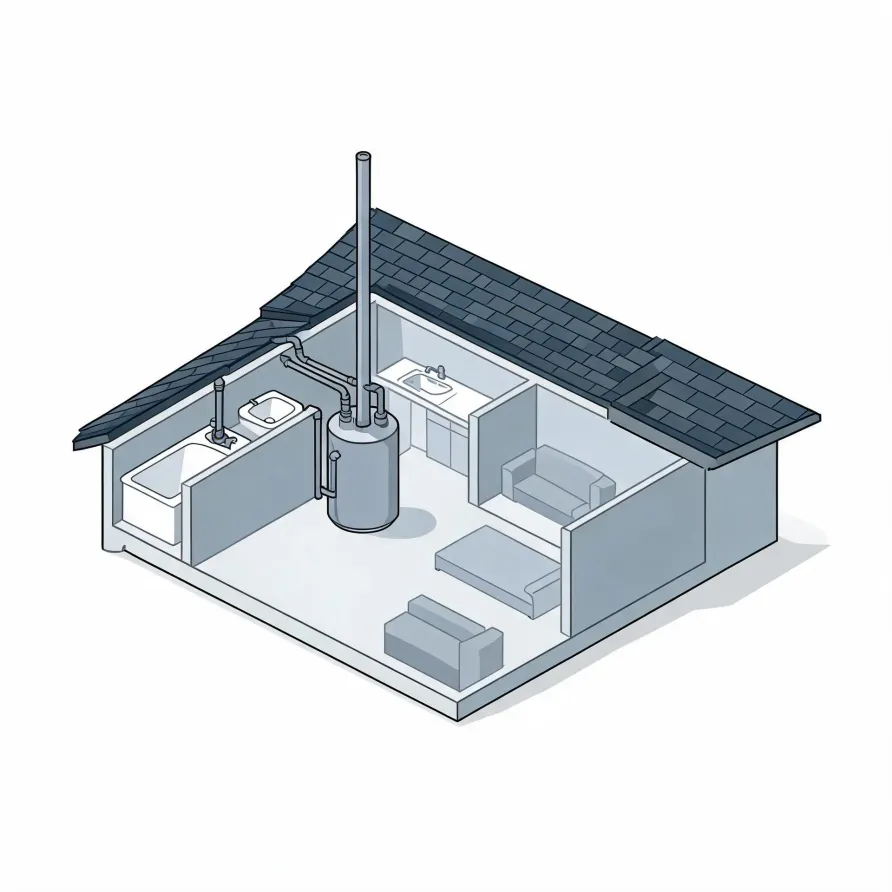
The storage tank is the piece a homeowner notices first. It sits in a utility room, basement, or mechanical closet and holds a supply of water that a contractor heats and keeps ready for use throughout the house. A pressure relief valve mounts directly on the tank and releases pressure if it climbs too high.
A cold water inlet line and a hot water outlet line connect the tank to the rest of the house plumbing. A drain valve sits near the base of the tank. The flue or exhaust vent, where the unit requires one, runs from the top of the tank to an exterior wall or through the roof.
The drawing shows a typical layout, and a licensed contractor determines what applies to this particular house.
Find a contractor in Orange CountyOrange County, Vermont, by the numbers
93 severe weather events were recorded in Orange County, Vermont between 2015 and 2024.
NOAA National Centers for Environmental Information, Storm Events Database, bulk CSV export, events 2015-01-01 through 2024-12-31.Half the homes in Orange County, Vermont were built in 1978 or earlier (2020-2024 ACS 5-year).
U.S. Census Bureau, 2020-2024 American Community Survey 5-Year EstimatesOrange County, Vermont holds 15,078 housing units (2020-2024 ACS 5-year).
U.S. Census Bureau, 2020-2024 American Community Survey 5-Year EstimatesOwners occupy 83.2% of the occupied homes in Orange County, Vermont (2020-2024 ACS 5-year).
U.S. Census Bureau, 2020-2024 American Community Survey 5-Year EstimatesWeather Events in Orange County
Extreme weather puts direct stress on water heating equipment, shortening service life and driving up demand at the worst times. How hard that load runs in Orange County shapes what a water heater installation here needs to handle.
93 severe weather events, 2015–2024. Source: NOAA National Centers for Environmental Information, Storm Events Database.