Tell us about the job
Takes about a minute. No obligation.
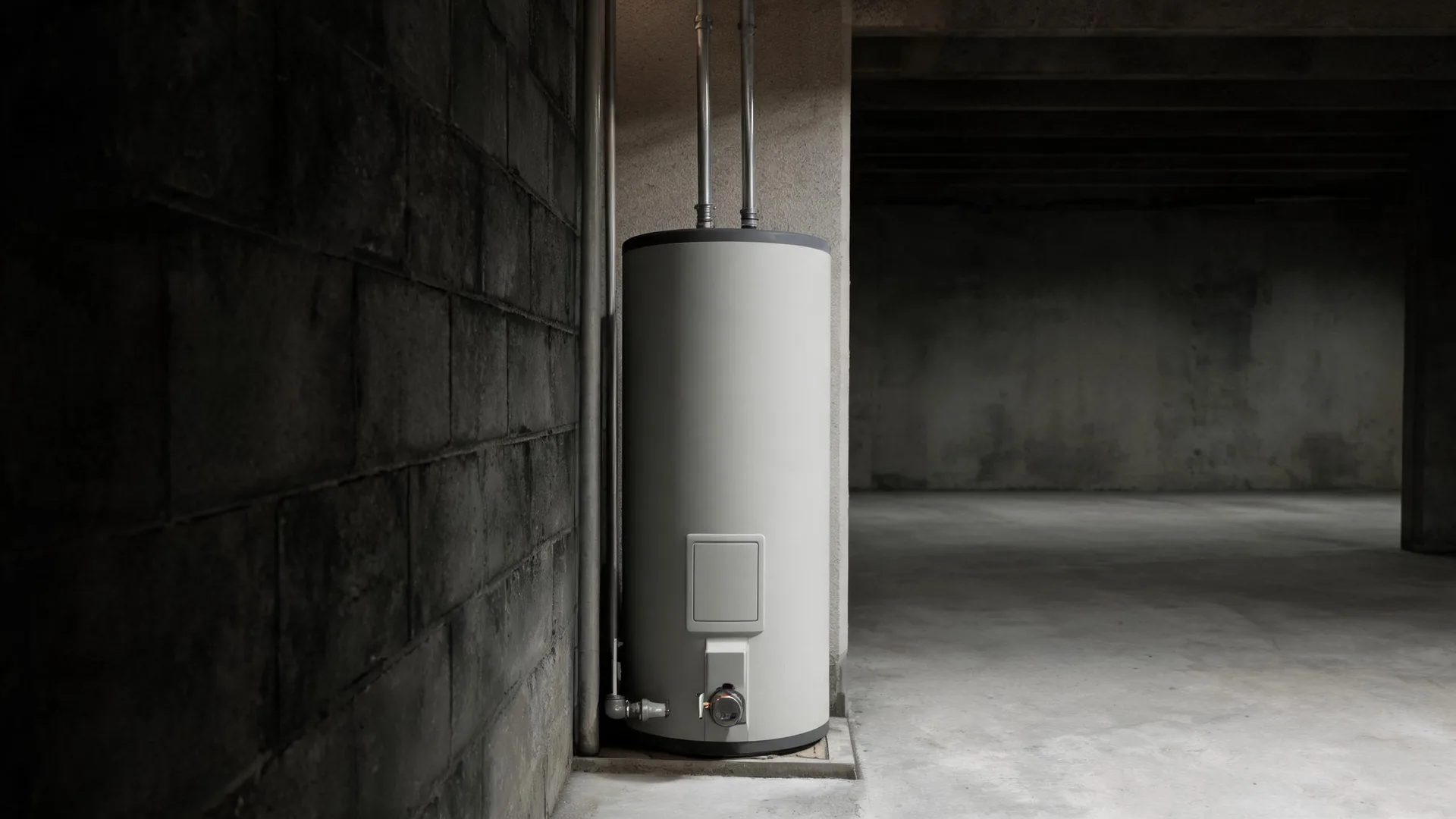
Oil and kerosene water heater installations in Orleans County carry a specific set of combustion requirements that shape what a contractor can quote and install. Fuel oil or kerosene heats more occupied homes in Orleans County, Vermont than any other fuel, at 52.0% (2020-2024 ACS 5-year). A replacement unit has to be matched to the existing flue diameter, draft conditions, and combustion air opening in that utility space, because a power-vent or direct-vent model may not be a legal substitute if the original venting was designed for a naturally-drafting oil-fired appliance. The contractor confirms all of that before a new unit goes in.
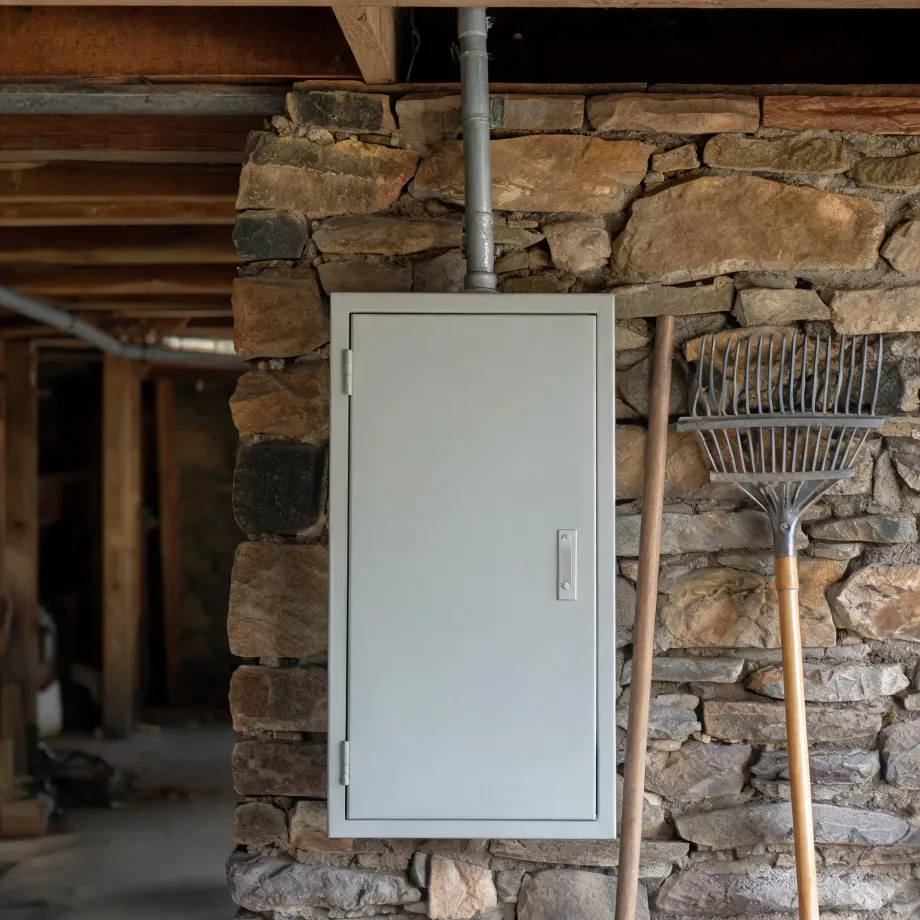
Older service panels in this county's housing stock were sized for what households drew at the time they were built, and a new water heater pulls more than most of that wiring was laid out to handle. Half the homes in Orleans County, Vermont were built in 1978 or earlier (2020-2024 ACS 5-year). That gap between what the electrical service was designed for and what new equipment demands is where installation jobs in this county get complicated. A contractor has to evaluate the panel before anything else on the job can be priced or committed to.
What a Water Heater Installation Puts in Your Home
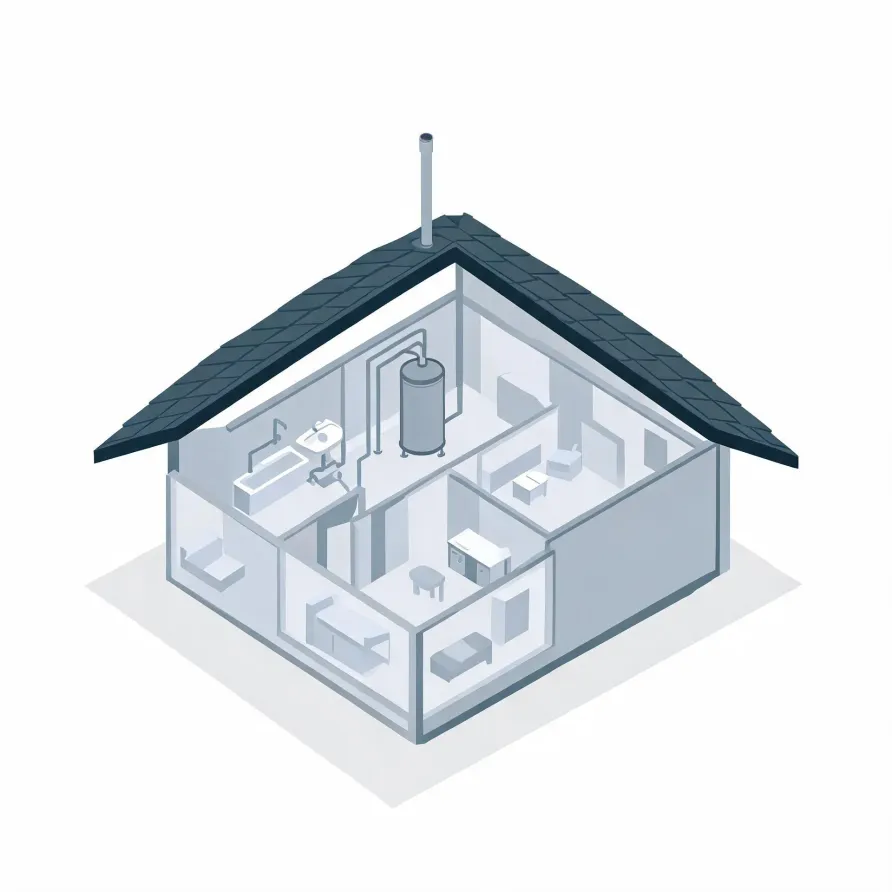
The tank is the piece a homeowner sees first. It sits in a utility room, basement, or closet and holds a supply of water that a burner or heating element keeps at temperature. The pressure relief valve mounts directly on the tank and releases if pressure builds beyond a safe point.
Cold water enters through a dip tube that runs down into the tank, and hot water leaves through a separate outlet at the top. A drain valve sits at the base of the tank, and an anode rod hangs inside it to slow corrosion of the tank walls.
The drawing shows a typical layout, and a licensed contractor determines what applies to the specifics of your house.
Find a contractor in Orleans CountyOrleans County, by the numbers
87 severe weather events were recorded in Orleans County, Vermont between 2015 and 2024.
NOAA National Centers for Environmental Information, Storm Events Database, bulk CSV export, events 2015-01-01 through 2024-12-31.Half the homes in Orleans County, Vermont were built in 1978 or earlier (2020-2024 ACS 5-year).
U.S. Census Bureau, 2020-2024 American Community Survey 5-Year EstimatesOrleans County, Vermont holds 16,751 housing units (2020-2024 ACS 5-year).
U.S. Census Bureau, 2020-2024 American Community Survey 5-Year EstimatesOwners occupy 79.7% of the occupied homes in Orleans County, Vermont (2020-2024 ACS 5-year).
U.S. Census Bureau, 2020-2024 American Community Survey 5-Year EstimatesWeather Stress on Water Heaters in Orleans County
Water heaters in Vermont work against outdoor conditions year-round, and what the weather does to a building's thermal load shapes how hard that equipment runs. Orleans County's storm record is part of that picture, which makes it relevant to any conversation about installation here.
87 severe weather events, 2015–2024. Source: NOAA National Centers for Environmental Information, Storm Events Database.