Tell us about the job
Takes about a minute. No obligation.
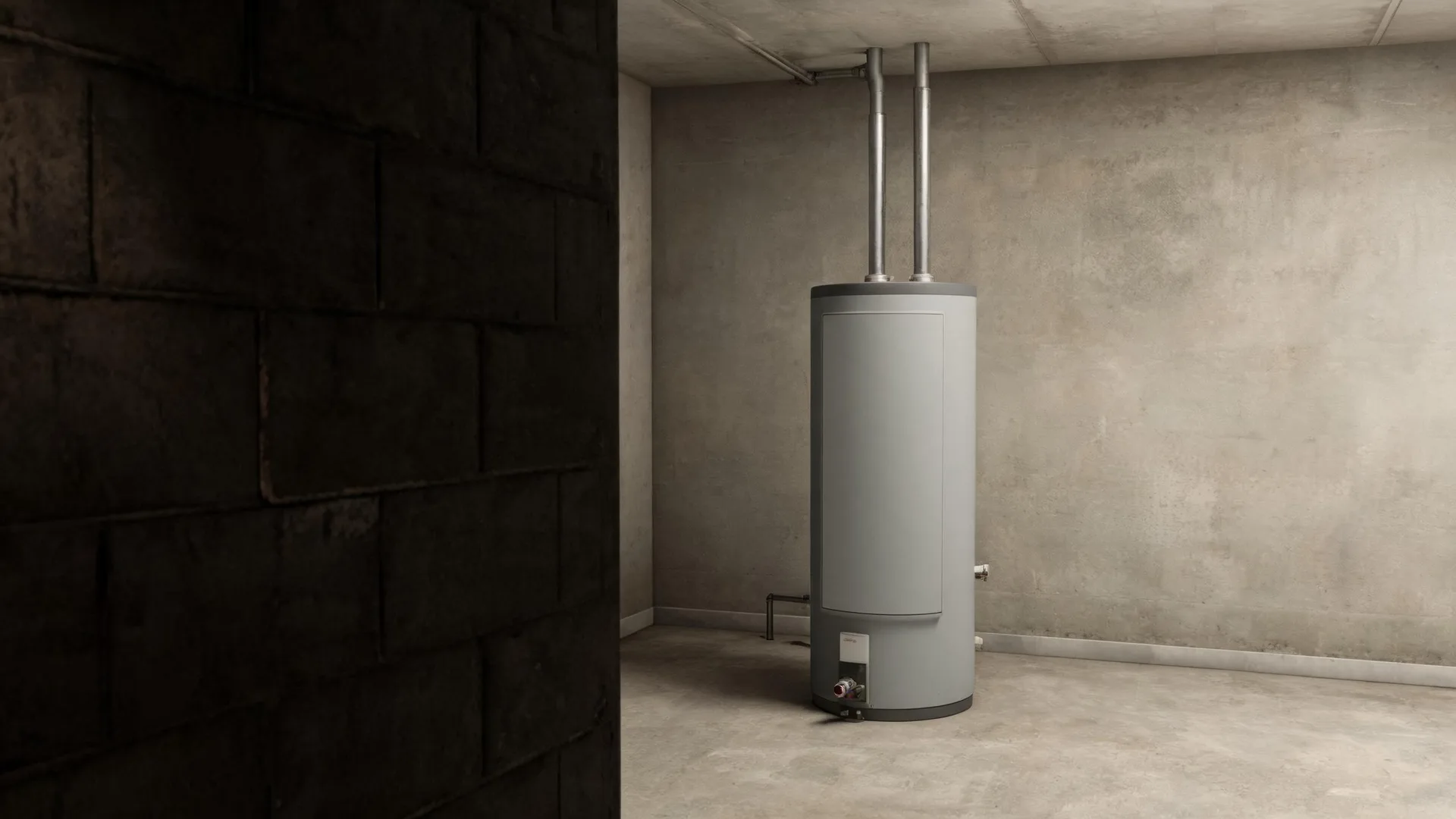
A contractor quoting a water heater replacement here starts with what fuel the house already burns and how the current unit vents. Fuel oil or kerosene heats more occupied homes in Lamoille County, Vermont than any other fuel, at 41.1% (2020-2024 ACS 5-year). That share of the housing stock means oil and kerosene venting arrangements are the common case, not the exception, and a new unit has to fit the existing flue configuration or the flue has to change. Combustion air requirements differ by appliance type and age, so the contractor checks the mechanical room before settling on a model.
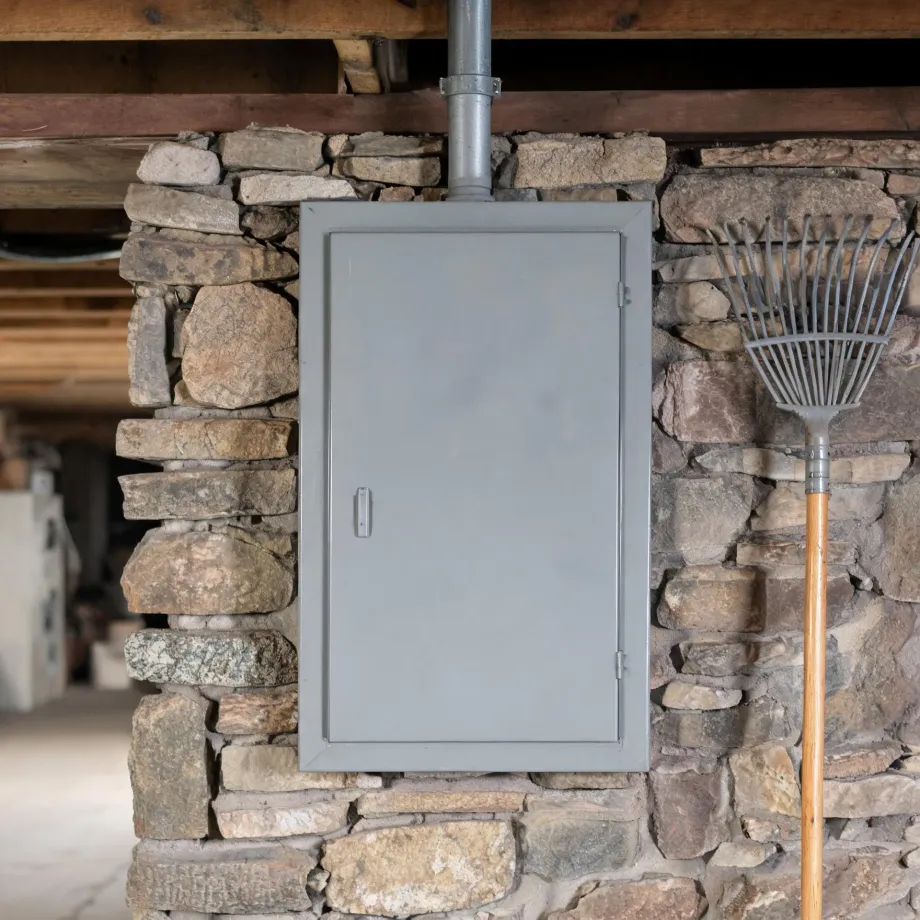
Electrical service panels in this part of Vermont were built for loads that look nothing like what modern water heaters draw. Half the homes in Lamoille County, Vermont were built in 1982 or earlier (2020-2024 ACS 5-year). A contractor quoting a new unit here checks the panel before anything else, because a board sized for the original equipment often cannot carry what a replacement demands without an upgrade. That upgrade changes the scope of the job and the price before the heater itself is even selected.
What Gets Installed With a New Water Heater
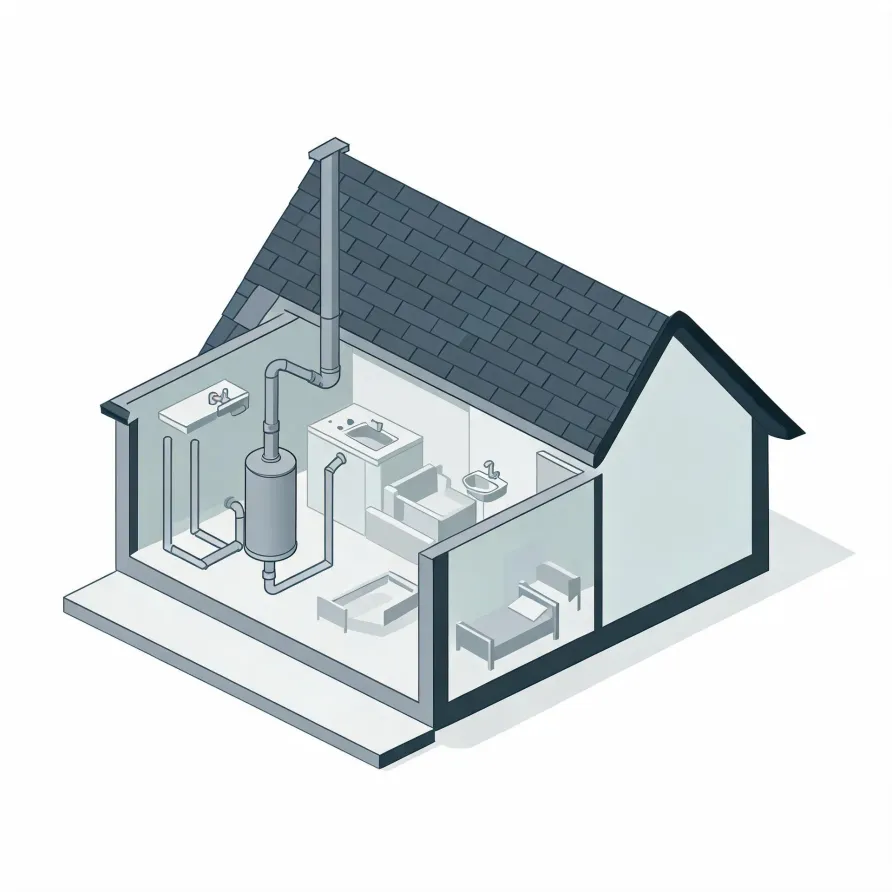
The storage tank is the centerpiece of the installation. A contractor sets it in a utility space, basement, or mechanical room, and it holds the water your household draws from every faucet and fixture. Attached to the tank are the inlet and outlet connections, which bring cold water in and send hot water out through the supply lines.
The pressure relief valve mounts directly on the tank and runs a discharge pipe down toward a drain. The flue or exhaust vent exits through a wall or roof if the unit is gas-fired. A dedicated shut-off valve goes on the cold-water supply line, and the unit ties into either a gas line or an electrical circuit depending on which type is being placed.
The drawing shows a typical layout, and a licensed contractor determines what fits the specifics of your home.
Find a contractor in Lamoille CountyLamoille County by the numbers
82 severe weather events were recorded in Lamoille County, Vermont between 2015 and 2024.
NOAA National Centers for Environmental Information, Storm Events Database, bulk CSV export, events 2015-01-01 through 2024-12-31.Half the homes in Lamoille County, Vermont were built in 1982 or earlier (2020-2024 ACS 5-year).
U.S. Census Bureau, 2020-2024 American Community Survey 5-Year EstimatesLamoille County, Vermont holds 14,320 housing units (2020-2024 ACS 5-year).
U.S. Census Bureau, 2020-2024 American Community Survey 5-Year EstimatesOwners occupy 72.9% of the occupied homes in Lamoille County, Vermont (2020-2024 ACS 5-year).
U.S. Census Bureau, 2020-2024 American Community Survey 5-Year EstimatesSevere Weather Events in Lamoille County
Extreme weather puts direct stress on water heaters: power fluctuations, freezing supply lines, and pressure swings all shorten equipment life and raise the odds of an unplanned failure. How hard local weather hits shapes how contractors in Lamoille County size, install, and protect the systems they put in.
82 severe weather events, 2015–2024. Source: NOAA National Centers for Environmental Information, Storm Events Database.