Tell us about the job
Takes about a minute. No obligation.
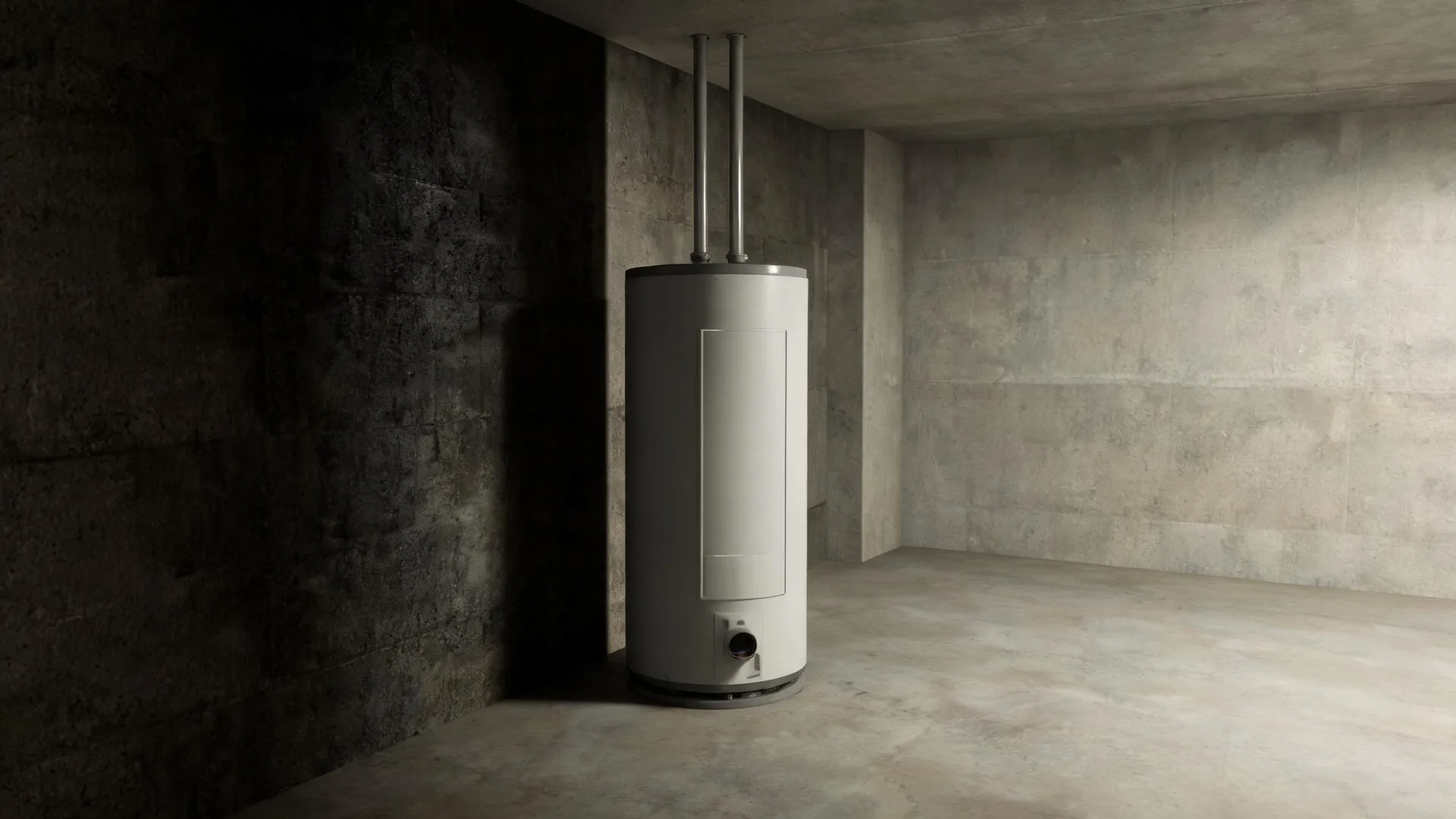
Gas water heater installation in this county starts with the venting and combustion air setup, not with the tank itself. Utility gas heats more occupied homes in Chittenden County, Vermont than any other fuel, at 54.5% (2020-2024 ACS 5-year). That majority means most homes already have a gas appliance stack, and a contractor sizing a replacement works out what the existing flue can handle before ordering anything. A Category I atmospheric vent serves a different installation than a direct-vent sealed combustion unit, and the two are not interchangeable without changes to the penetrations and draft path. The fuel is settled; the venting is the variable a contractor prices around.
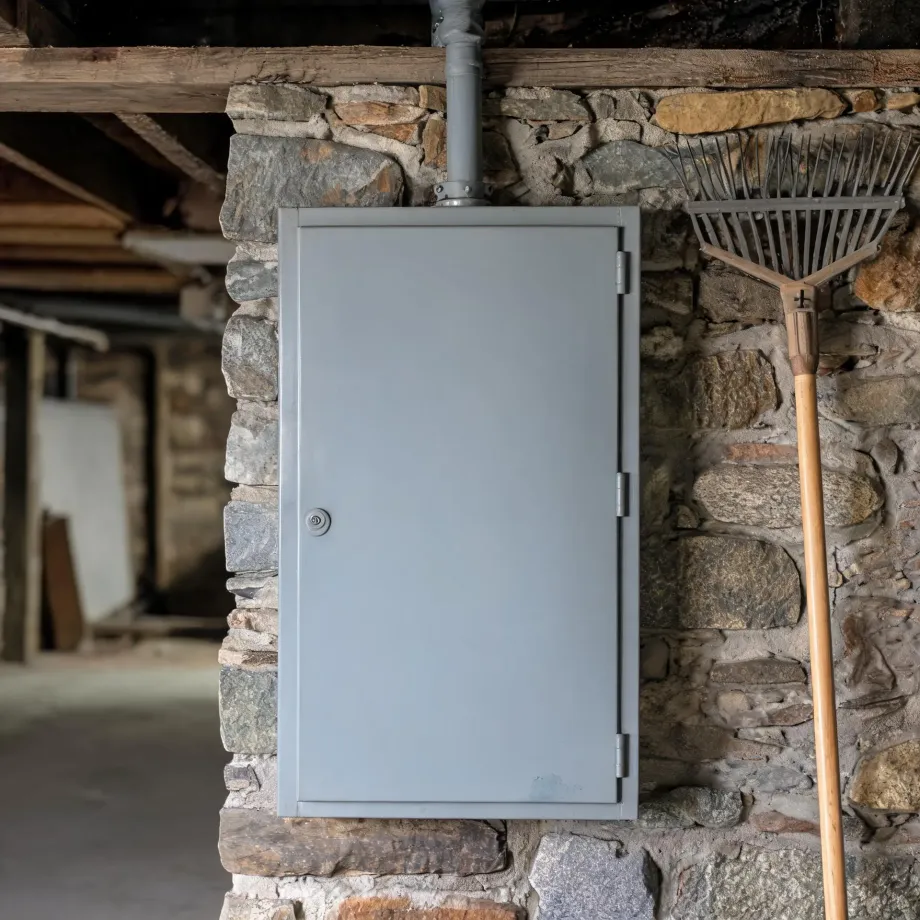
Electrical service panels in houses of this vintage were sized around the loads those houses originally carried, and a heat pump water heater draws considerably more than the resistance units many of them were built around. Half the homes in Chittenden County, Vermont were built in 1981 or earlier (2020-2024 ACS 5-year). A contractor quoting a water heater installation here checks the panel first, because the equipment choice and the final price both follow from what that panel can actually support. If an upgrade is needed, that work gets scoped alongside the heater, not after.
What Gets Installed With a New Water Heater
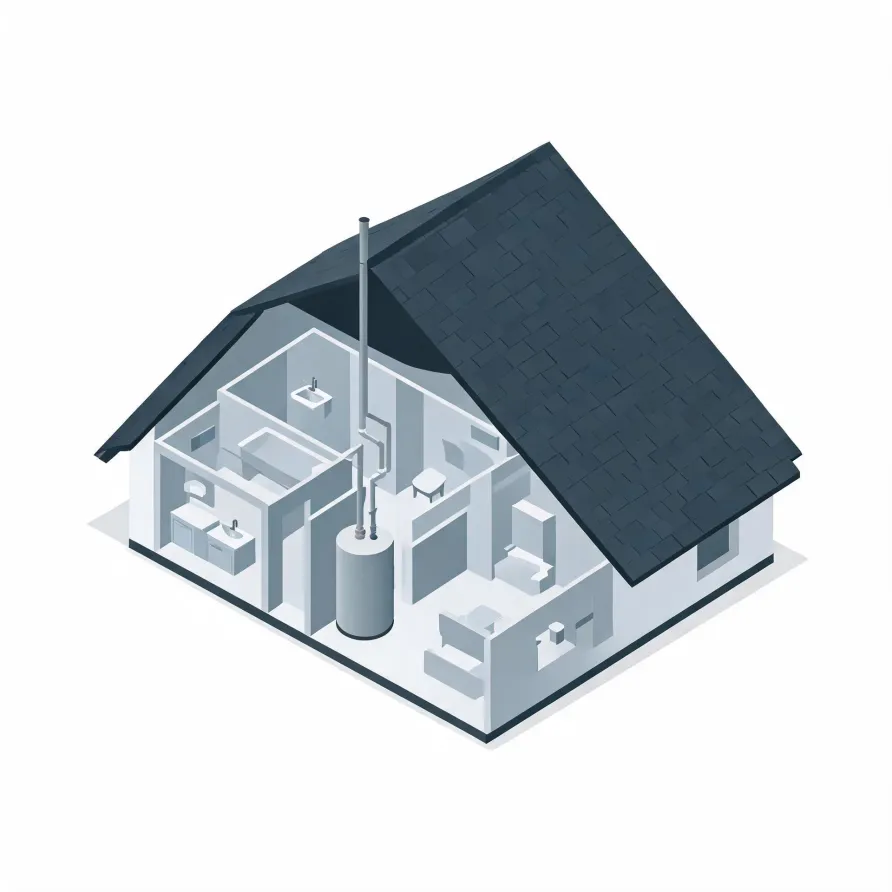
The storage tank is the piece a homeowner notices first. It sits in a utility room, basement, or closet and holds a supply of hot water ready for the taps and appliances in the house. A pressure relief valve mounts directly on the tank as a safety device, and the flue or exhaust vent runs from the top of the unit up through the wall or roof.
Cold water enters through a dedicated inlet pipe at the top of the tank, and hot water leaves through a separate outlet pipe that runs to the rest of the house. A drain valve sits at the base of the tank, and the thermostat and heating element are set inside or along the tank body depending on whether the unit runs on gas or electricity.
The drawing shows a general layout of the system, and a licensed contractor determines exactly what applies to your house and its setup.
Find a contractor in Chittenden CountyChittenden County, by the numbers
196 severe weather events were recorded in Chittenden County, Vermont between 2015 and 2024.
NOAA National Centers for Environmental Information, Storm Events Database, bulk CSV export, events 2015-01-01 through 2024-12-31.Half the homes in Chittenden County, Vermont were built in 1981 or earlier (2020-2024 ACS 5-year).
U.S. Census Bureau, 2020-2024 American Community Survey 5-Year EstimatesChittenden County, Vermont holds 74,888 housing units (2020-2024 ACS 5-year).
U.S. Census Bureau, 2020-2024 American Community Survey 5-Year EstimatesOwners occupy 63.9% of the occupied homes in Chittenden County, Vermont (2020-2024 ACS 5-year).
U.S. Census Bureau, 2020-2024 American Community Survey 5-Year EstimatesSevere Weather Events in Chittenden County
Extreme weather puts a direct load on water heating equipment, shortening service life and driving up energy use. What happens in Chittenden County shapes what any water heater installed here has to handle.
196 severe weather events, 2015–2024. Source: NOAA National Centers for Environmental Information, Storm Events Database.