Tell us about the job
Takes about a minute. No obligation.
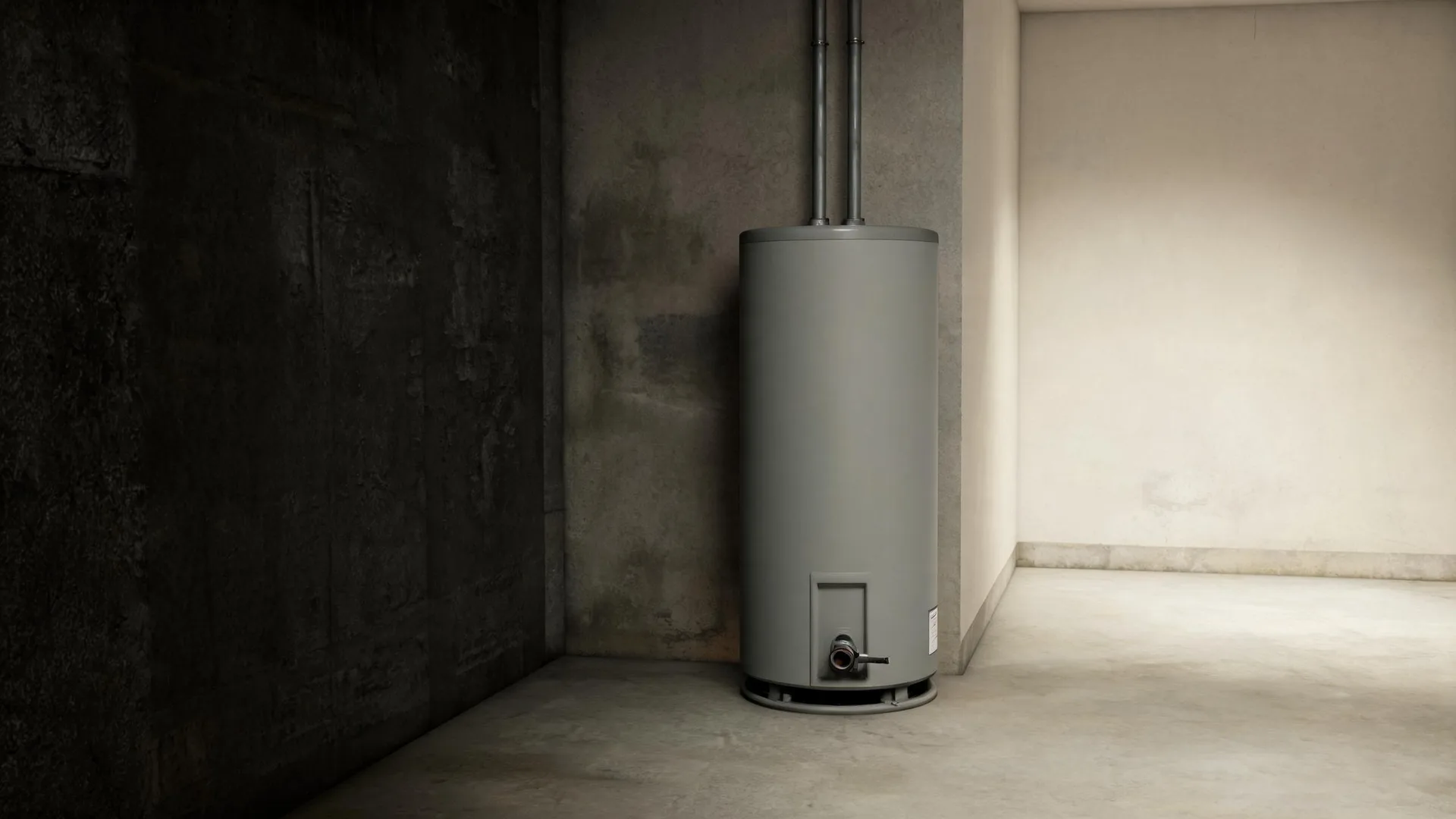
Gas water heaters run every day of the year, not just through a heating season, so the burner, thermocouple, and ignition components cycle far more often than most homeowners expect. Utility gas heats more occupied homes in Chittenden County, Vermont than any other fuel, at 54.5% (2020-2024 ACS 5-year). A contractor arriving at a failed unit in this county starts with those combustion components rather than the tank, because in a home burning utility gas the ignition system and thermocouple accumulate wear from daily cycling across years of continuous use. Sediment buildup from the local water supply compounds that, accelerating corrosion at the drain valve and anode rod. The tank itself is often sound when the burner assembly has already given out.
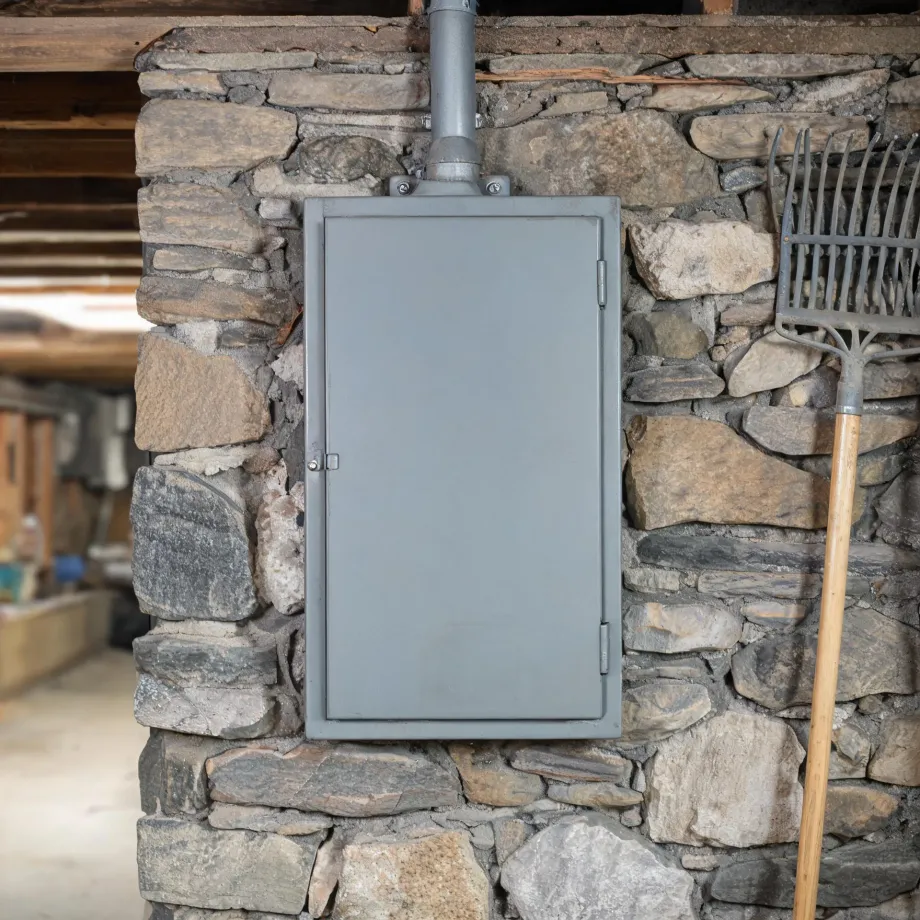
Plumbing and electrical in a house age whether or not anyone touches them, and in Chittenden County a lot of houses have been accumulating that history for a long time. Half the homes in Chittenden County, Vermont were built in 1981 or earlier (2020-2024 ACS 5-year). What that means for water heater repair is that opening the unit is often the second discovery, not the first. Sediment in supply lines, corroded fittings, and wiring that was sized for an earlier load can all change the scope of the job before a contractor gets to the heater itself. A repair that looks like one thing on the outside turns into something else once the surrounding systems are examined.
The Parts of a Water Heater a Contractor Checks First
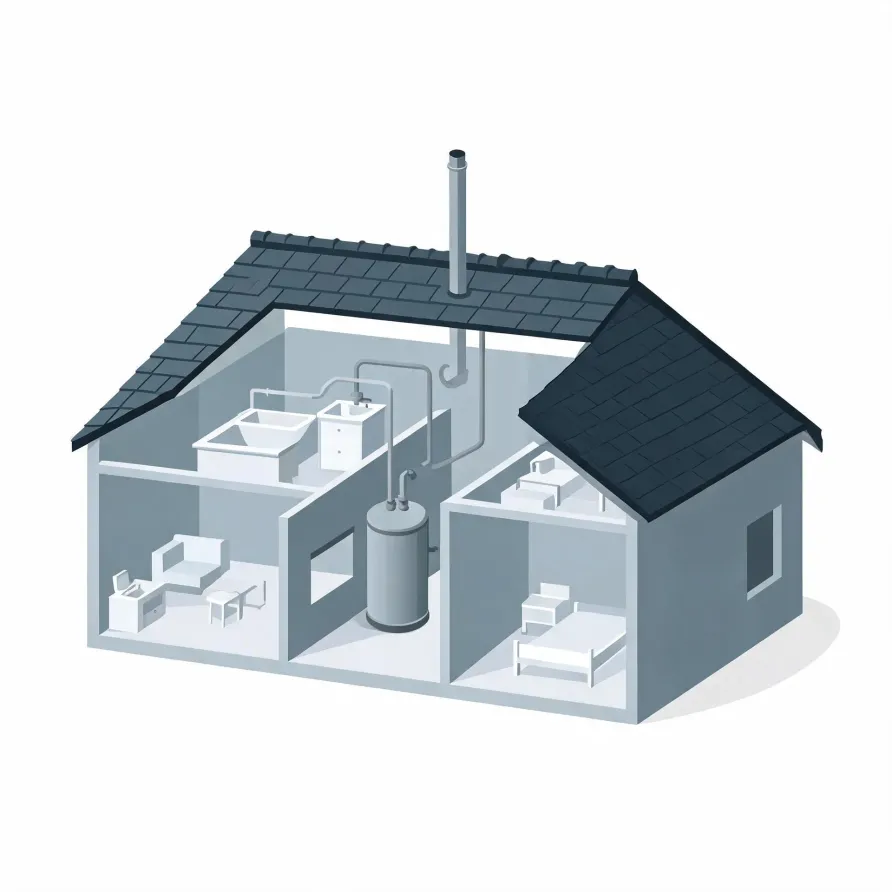
The tank is the piece most homeowners know: a large insulated cylinder that sits in a basement, utility closet, or garage and holds a supply of heated water ready to use. Inside the tank, the dip tube carries cold water to the bottom while the anode rod runs down through the center, slowing corrosion. When either of those fails, a contractor looks there first.
The heating element or burner assembly sits at the base of the tank and is what actually raises the water temperature. Alongside it, the thermostat controls when heating starts and stops, and the pressure relief valve sits on the side of the tank as a safety release. The supply and outlet pipes connect the tank to the rest of the house.
The drawing shows a typical water heater layout, and a licensed contractor determines which parts apply to the specific unit and installation in your home.
Find a contractor in Chittenden CountyChittenden County, by the numbers
196 severe weather events were recorded in Chittenden County, Vermont between 2015 and 2024.
NOAA National Centers for Environmental Information, Storm Events Database, bulk CSV export, events 2015-01-01 through 2024-12-31.Half the homes in Chittenden County, Vermont were built in 1981 or earlier (2020-2024 ACS 5-year).
U.S. Census Bureau, 2020-2024 American Community Survey 5-Year EstimatesChittenden County, Vermont holds 74,888 housing units (2020-2024 ACS 5-year).
U.S. Census Bureau, 2020-2024 American Community Survey 5-Year EstimatesOwners occupy 63.9% of the occupied homes in Chittenden County, Vermont (2020-2024 ACS 5-year).
U.S. Census Bureau, 2020-2024 American Community Survey 5-Year EstimatesSevere Weather Events in Chittenden County
Extreme weather puts direct stress on water heaters, forcing them to run harder and recover more often when outdoor conditions swing. How much of that pressure a unit faces depends on what the local climate actually delivers.
196 severe weather events, 2015–2024. Source: NOAA National Centers for Environmental Information, Storm Events Database.