Tell us about the job
Takes about a minute. No obligation.
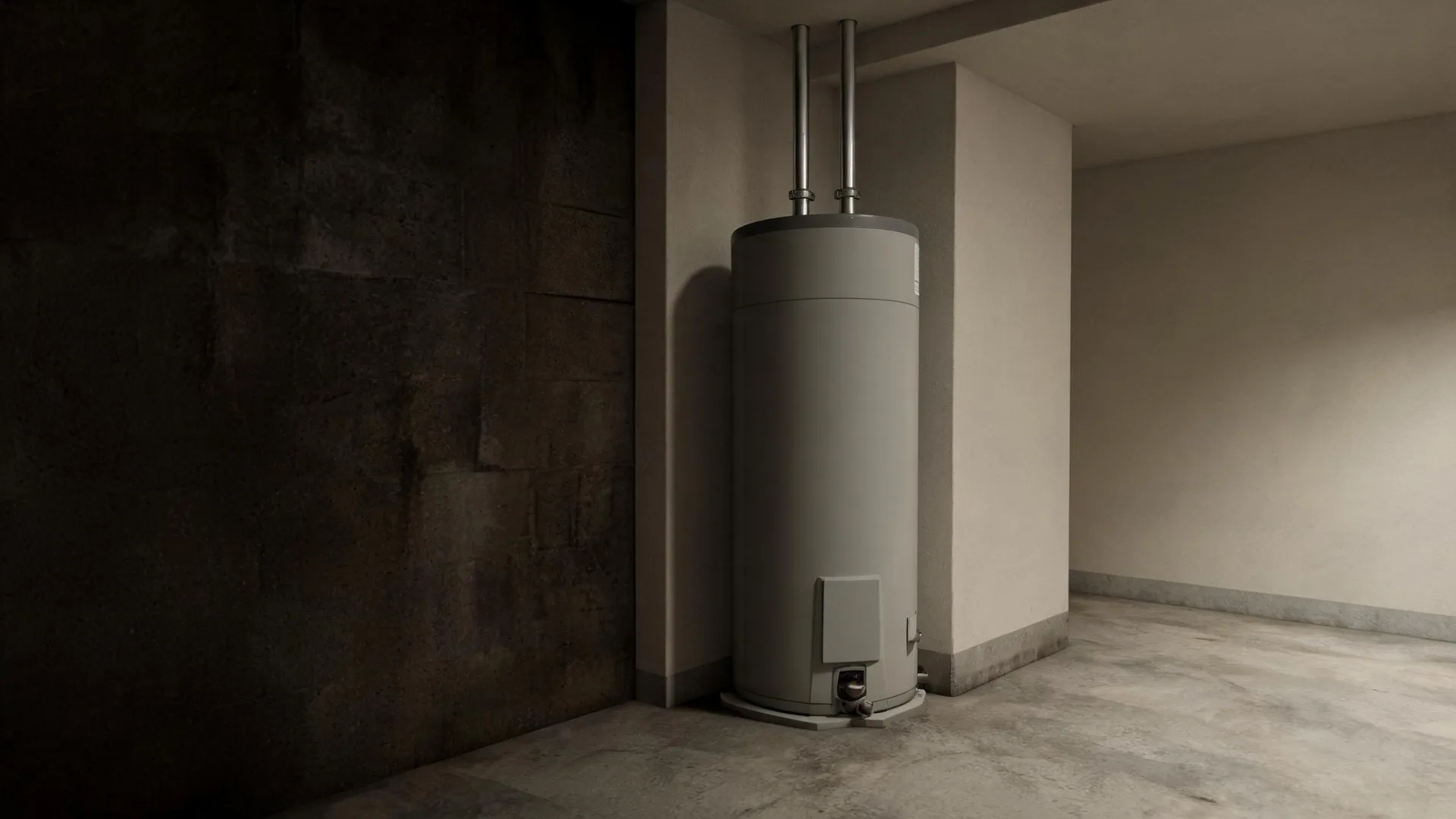
Water heaters running on fuel oil cycle their burners through every season, and the ignition system, heat exchanger, and venting stack accumulate wear in proportion to how hard the tank is worked. Fuel oil or kerosene heats more occupied homes in Grand Isle County, Vermont than any other fuel, at 45.0% (2020-2024 ACS 5-year). A contractor diagnosing a fuel oil water heater here checks burner assembly condition and flue integrity first, because those are the components the fuel itself stresses. A unit showing weak heat output or delayed ignition on fuel oil points the repair in a different direction than the same symptoms on a gas or electric system would.
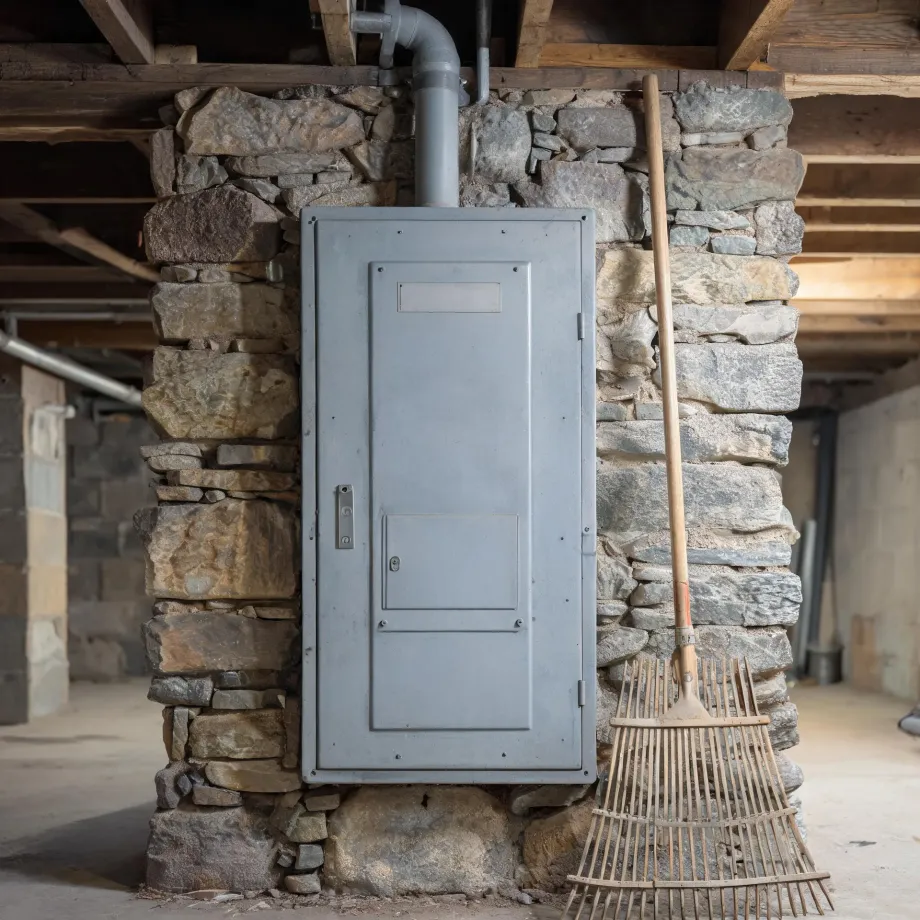
A water heater sitting in a house this old has likely been swapped in after the home was built, and whatever surrounds it reflects decisions made for a different unit under different conditions. Half the homes in Grand Isle County, Vermont were built in 1984 or earlier (2020-2024 ACS 5-year). That gap matters when a repair opens the system: the venting, the supply lines, and the electrical connection may have been adapted each time equipment changed hands, and what a contractor finds inside tells them whether those adaptations still hold. If a part needs replacing, availability depends on what generation of equipment is actually in that space, which the exterior of the unit does not always make obvious.
The Parts of a Water Heater a Contractor Checks First
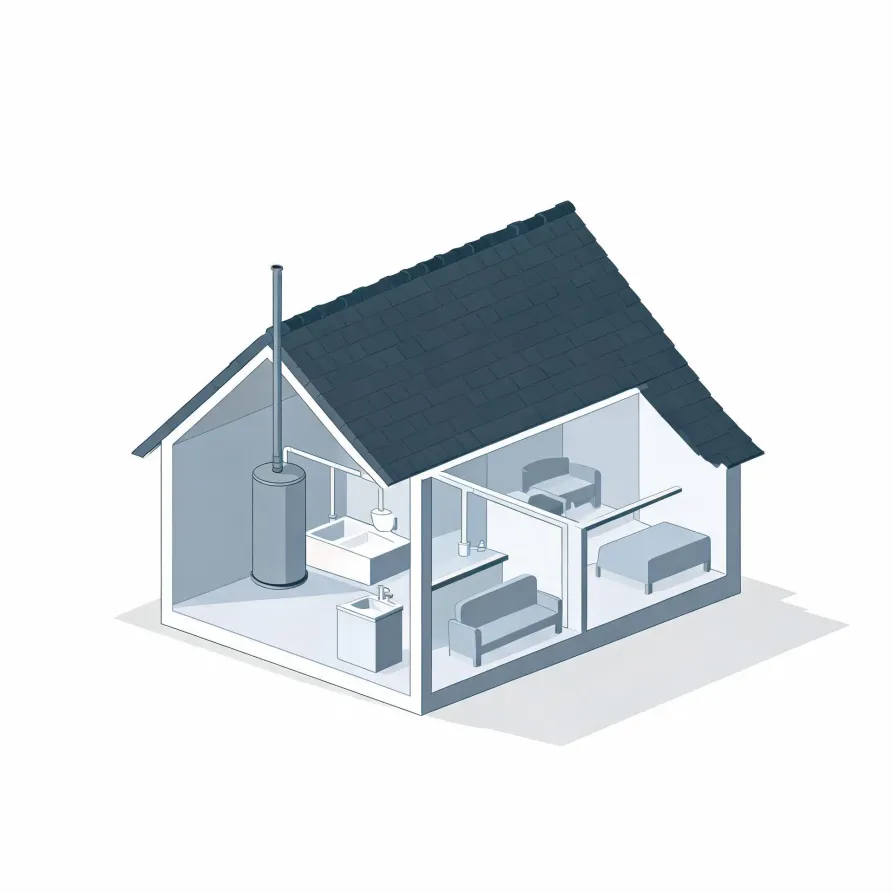
The tank is the centerpiece of the system, usually standing in a utility room, basement, or closet. It holds and heats a supply of water, and when it fails the signs show up fast: no hot water, discolored water, or water on the floor. The tank shell, the lining inside it, and the connections at the top are all places a contractor looks early.
The pressure relief valve sits on the side of the tank and is there to release pressure if it climbs too high. The anode rod runs down through the tank interior and slows corrosion of the lining. The thermostat and heating element, whether gas burner or electric, control how the water gets heated and are common failure points when the tank runs but the water stays cold.
The drawing shows a typical water heater layout, and a licensed contractor determines what applies to the specific unit and installation in your home.
Find a contractor in Grand Isle CountyGrand Isle County, by the numbers
53 severe weather events were recorded in Grand Isle County, Vermont between 2015 and 2024.
NOAA National Centers for Environmental Information, Storm Events Database, bulk CSV export, events 2015-01-01 through 2024-12-31.Half the homes in Grand Isle County, Vermont were built in 1984 or earlier (2020-2024 ACS 5-year).
U.S. Census Bureau, 2020-2024 American Community Survey 5-Year EstimatesGrand Isle County, Vermont holds 5,326 housing units (2020-2024 ACS 5-year).
U.S. Census Bureau, 2020-2024 American Community Survey 5-Year EstimatesOwners occupy 89.9% of the occupied homes in Grand Isle County, Vermont (2020-2024 ACS 5-year).
U.S. Census Bureau, 2020-2024 American Community Survey 5-Year EstimatesSevere Weather Events in Grand Isle County
Storms and hard weather put real stress on water heating equipment, and repeated stress shortens the life of parts and tanks alike. How often that happens in Grand Isle County shapes how much repair work local water heaters actually face.
53 severe weather events, 2015–2024. Source: NOAA National Centers for Environmental Information, Storm Events Database.