Tell us about the job
Takes about a minute. No obligation.
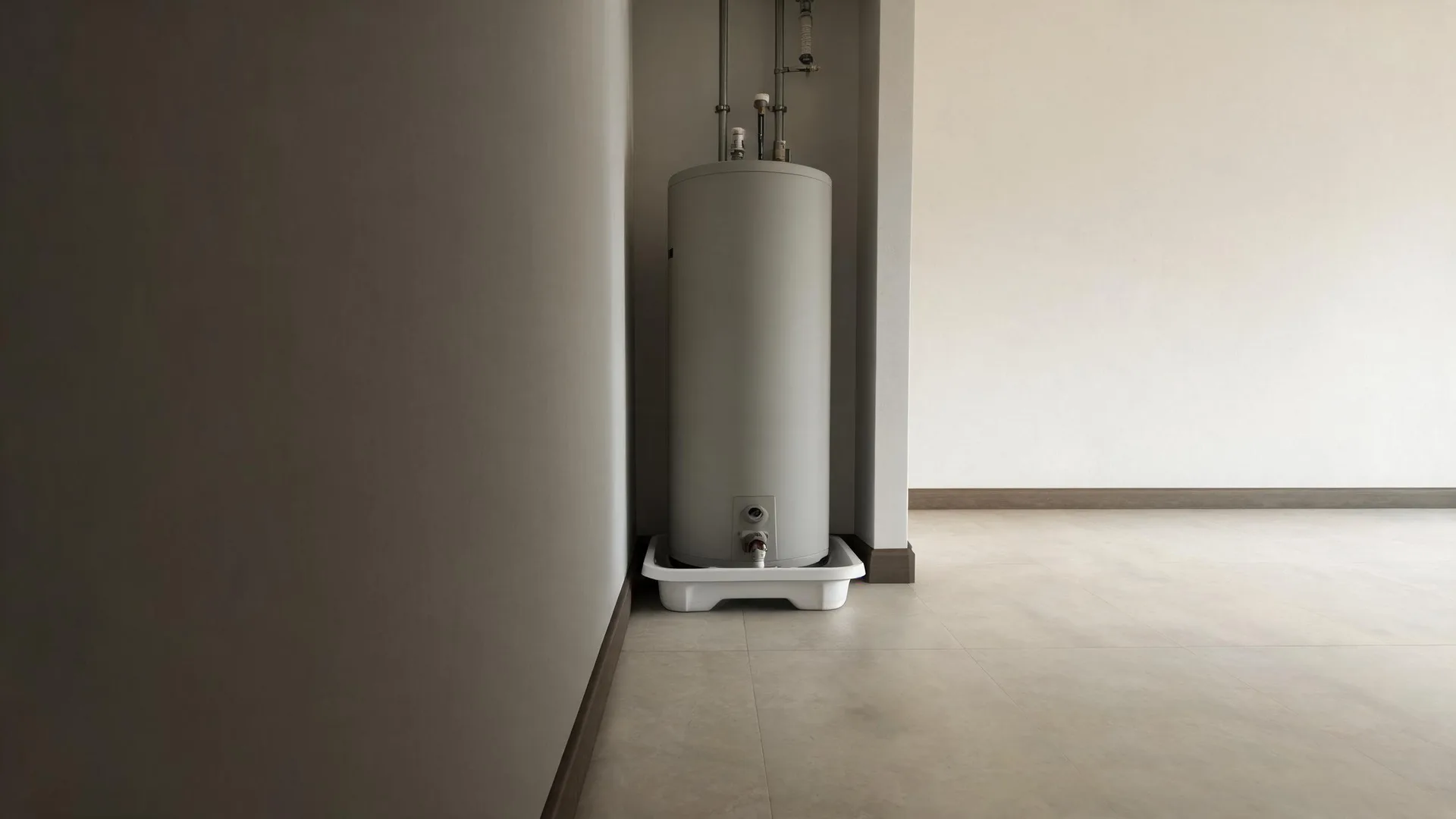
Oil and kerosene water heaters share a short list of parts that absorb most of the wear: the burner nozzle, the electrodes, and the heat exchanger. Fuel oil or kerosene heats more occupied homes in Franklin County, Vermont than any other fuel, at 31.1% (2020-2024 ACS 5-year). A contractor diagnosing a failing unit here checks the nozzle for clogging and the electrodes for carbon buildup before moving on to anything else, because those parts degrade on a schedule set by the fuel itself. Soot and unburned residue accumulate inside the firebox and cut combustion efficiency well before the tank fails. The repair scope follows the fuel.
Half the homes in Franklin County, Vermont were built in 1979 or earlier (2020-2024 ACS 5-year). A water heater sitting in a house that old has been asked to run through cold Vermont winters, mineral-heavy water, and however many owners changed the settings along the way. When a contractor opens the unit, what decides the repair is what the tank, anode rod, and connections actually look like inside, not what the model number suggests. Sediment buildup and corrosion are common findings in stock this age, and whether parts are still made for what a contractor pulls apart determines how the job ends.
The Parts of a Water Heater a Contractor Checks First
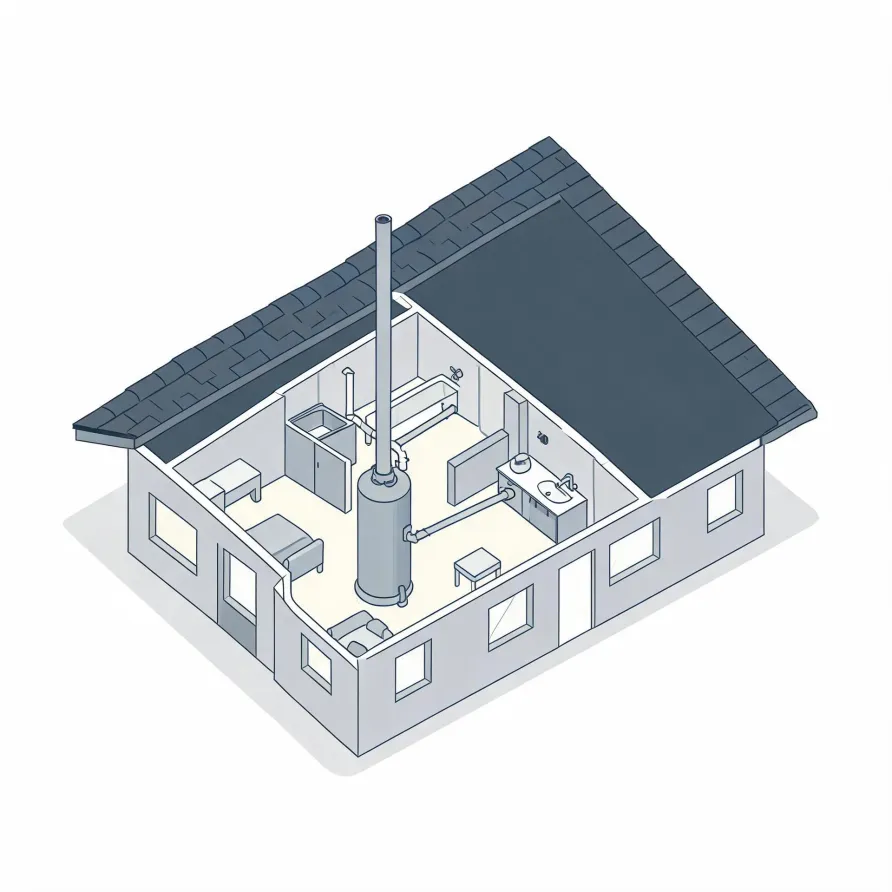
The tank is the piece most homeowners know: a large insulated cylinder that sits in a basement, utility closet, or garage and holds water at a set temperature until a tap calls for it. The burner or heating element inside the tank is where most repair work begins, since a unit that produces no hot water or runs out quickly usually points back to that component.
The pressure relief valve mounts on the side of the tank and opens automatically if pressure or temperature climbs too high. The anode rod runs down through the inside of the tank and slows corrosion. Both are parts a contractor examines closely, along with the supply and output pipes at the top of the tank and the thermostat that controls the heating cycle.
The drawing shows a typical water heater layout, and a licensed contractor determines which components apply to the specific unit and installation in your home.
Find a contractor in Franklin CountyFranklin County, Vermont, by the numbers
128 severe weather events were recorded in Franklin County, Vermont between 2015 and 2024.
NOAA National Centers for Environmental Information, Storm Events Database, bulk CSV export, events 2015-01-01 through 2024-12-31.Half the homes in Franklin County, Vermont were built in 1979 or earlier (2020-2024 ACS 5-year).
U.S. Census Bureau, 2020-2024 American Community Survey 5-Year EstimatesFranklin County, Vermont holds 23,019 housing units (2020-2024 ACS 5-year).
U.S. Census Bureau, 2020-2024 American Community Survey 5-Year EstimatesOwners occupy 77.4% of the occupied homes in Franklin County, Vermont (2020-2024 ACS 5-year).
U.S. Census Bureau, 2020-2024 American Community Survey 5-Year EstimatesSevere Weather Events in Franklin County
Extreme weather puts water heaters under strain. How hard a unit works over its life is shaped by local conditions, and that makes the pattern of weather in Franklin County a practical fact for repair work here.
128 severe weather events, 2015–2024. Source: NOAA National Centers for Environmental Information, Storm Events Database.