Tell us about the job
Takes about a minute. No obligation.
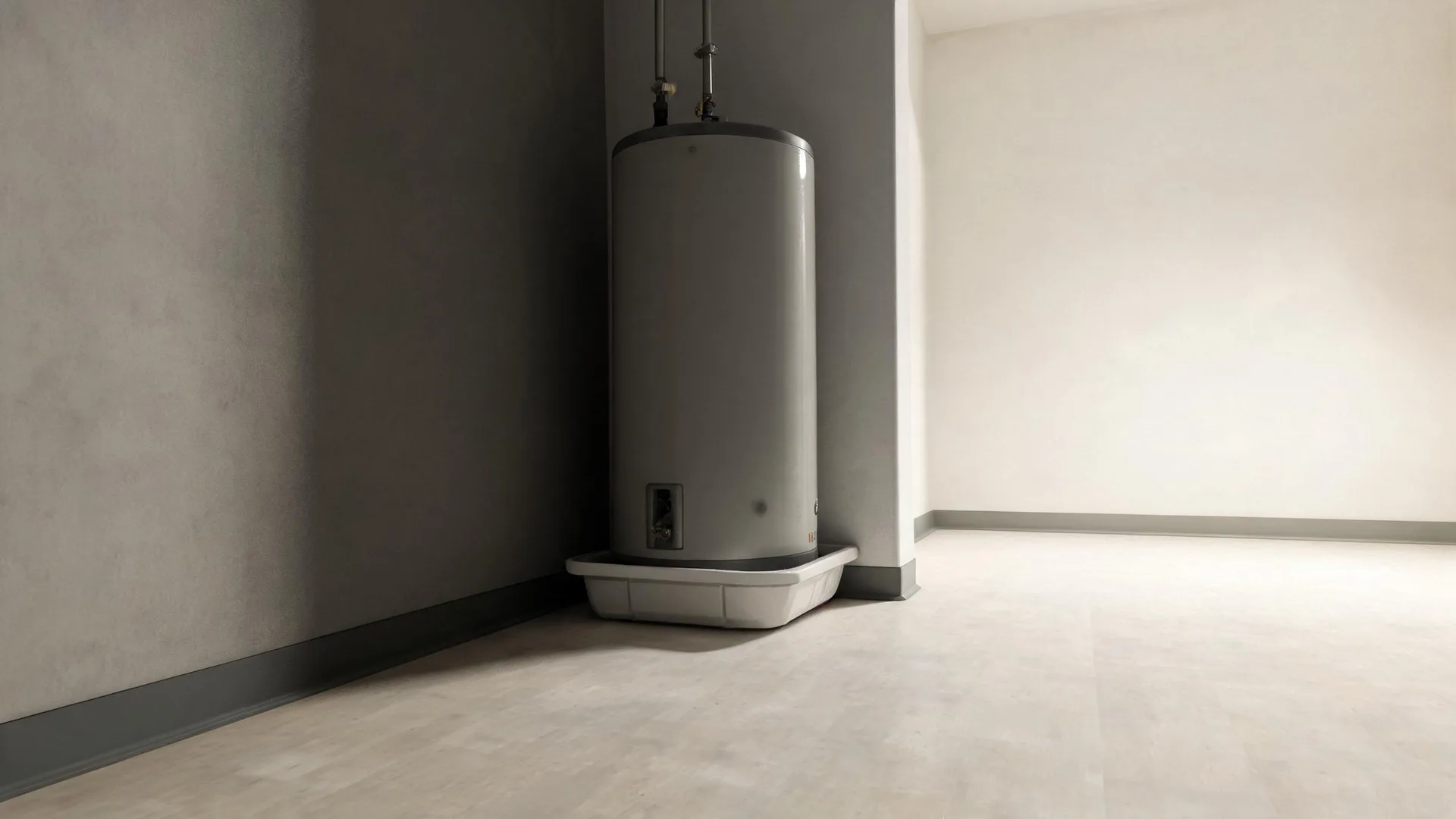
Fuel oil and kerosene systems run hard here, and a water heater burning either fuel puts its burner, igniter, and heat exchanger through continuous combustion cycles. Fuel oil or kerosene heats more occupied homes in Washington County, Vermont than any other fuel, at 44.2% (2020-2024 ACS 5-year). Soot buildup, nozzle fouling, and heat exchanger scaling are the failure modes that follow that kind of fuel use, and a contractor diagnosing a repair will open the combustion chamber before looking anywhere else. A unit that fires reliably in mild weather can still carry years of residue that only shows up as a fault under a full heating load.
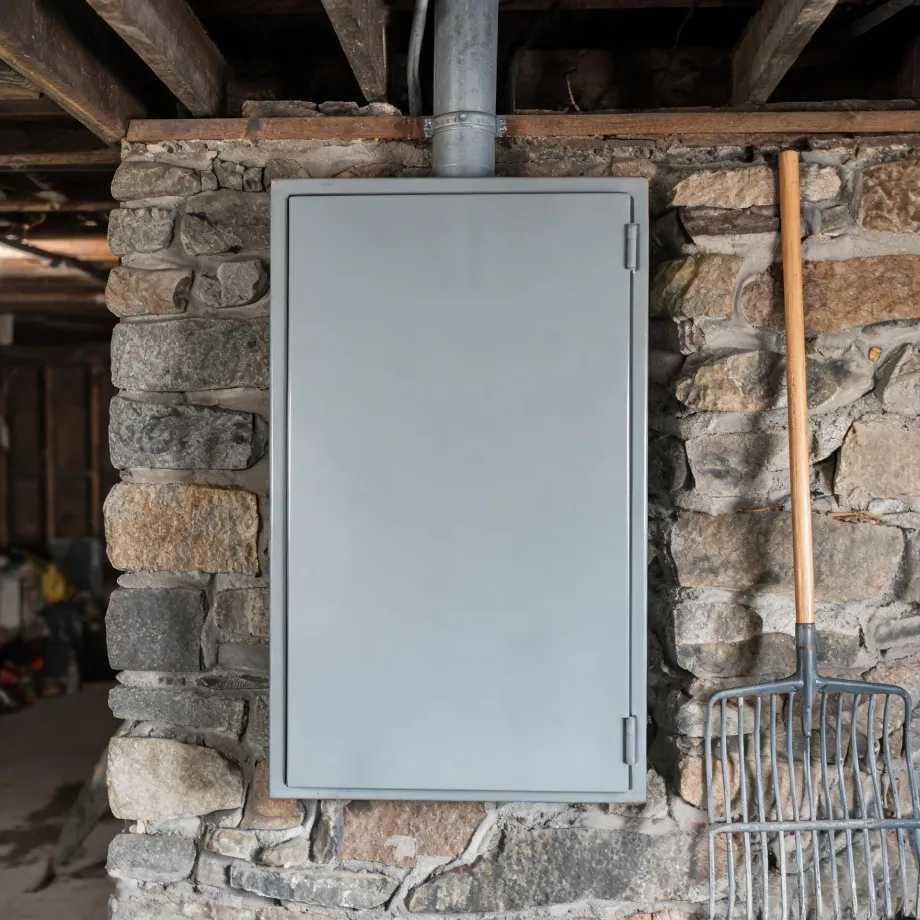
A water heater running in a house this old is often the second or third unit to occupy that space, and what a contractor finds once it is open shapes every decision that follows. Half the homes in Washington County, Vermont were built in 1973 or earlier (2020-2024 ACS 5-year). When the housing stock skews this far back, replacement parts for systems that were installed well after the house was built can already be scarce or discontinued, which changes what a repair costs and sometimes whether it is viable at all. The contractor has to confirm what the opened unit actually takes before a quote means anything.
The Parts of a Water Heater a Contractor Checks First
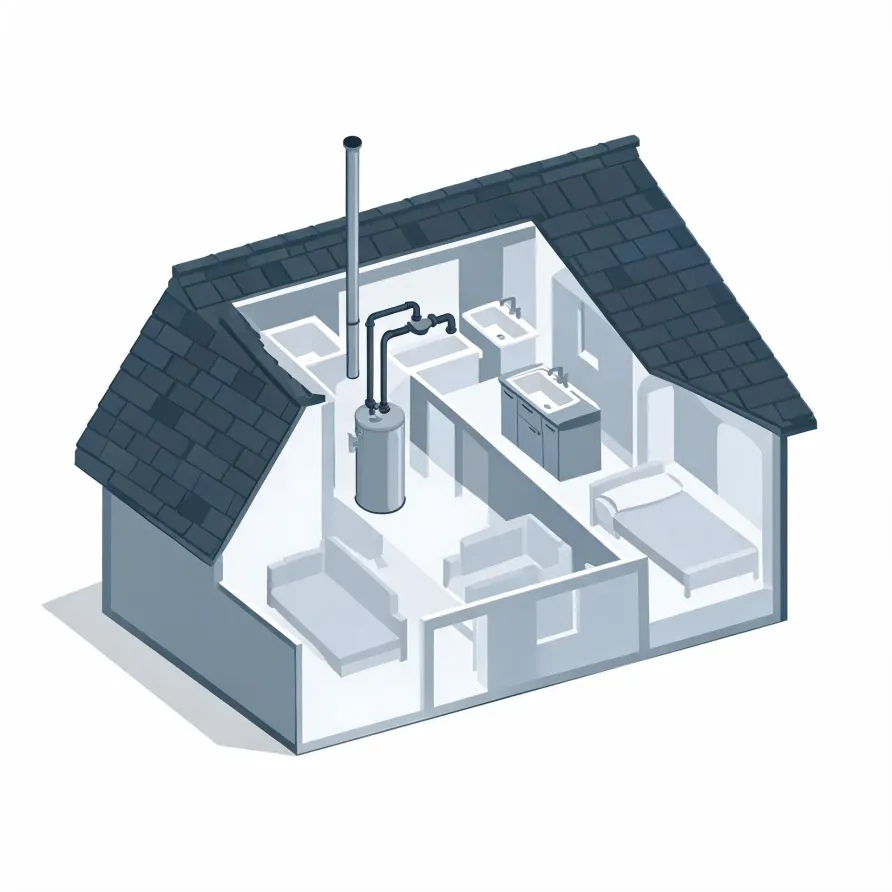
The tank is the piece a homeowner knows best, sitting in a utility room, basement, or closet and holding water at a set temperature until a tap calls for it. The burner or heating element inside the tank is what a contractor looks at when hot water stops arriving or arrives lukewarm. The thermostat that tells that element when to fire is another early suspect.
The pressure relief valve mounts directly on the tank and releases if pressure or temperature climbs beyond a safe point. The anode rod runs down through the tank's interior and slows corrosion from within. The cold-water inlet and hot-water outlet connections, along with the drain valve at the tank's base, round out what a contractor works through when tracing a problem.
The drawing shows a typical water heater layout, and a licensed contractor determines which parts apply to the specific unit and setup in your home.
Find a contractor in Washington CountyWashington County, Vermont, by the numbers
113 severe weather events were recorded in Washington County, Vermont between 2015 and 2024.
NOAA National Centers for Environmental Information, Storm Events Database, bulk CSV export, events 2015-01-01 through 2024-12-31.Half the homes in Washington County, Vermont were built in 1973 or earlier (2020-2024 ACS 5-year).
U.S. Census Bureau, 2020-2024 American Community Survey 5-Year EstimatesWashington County, Vermont holds 31,004 housing units (2020-2024 ACS 5-year).
U.S. Census Bureau, 2020-2024 American Community Survey 5-Year EstimatesOwners occupy 73.7% of the occupied homes in Washington County, Vermont (2020-2024 ACS 5-year).
U.S. Census Bureau, 2020-2024 American Community Survey 5-Year EstimatesSevere Weather Events in Washington County
Extreme weather puts real stress on water heating equipment, cycling it hard through temperature swings and power fluctuations it was not sized to absorb indefinitely. How much of that stress a unit in Washington County carries is a local question, and the record below shows what conditions contractors here work around.
113 severe weather events, 2015–2024. Source: NOAA National Centers for Environmental Information, Storm Events Database.