Tell us about the job
Takes about a minute. No obligation.
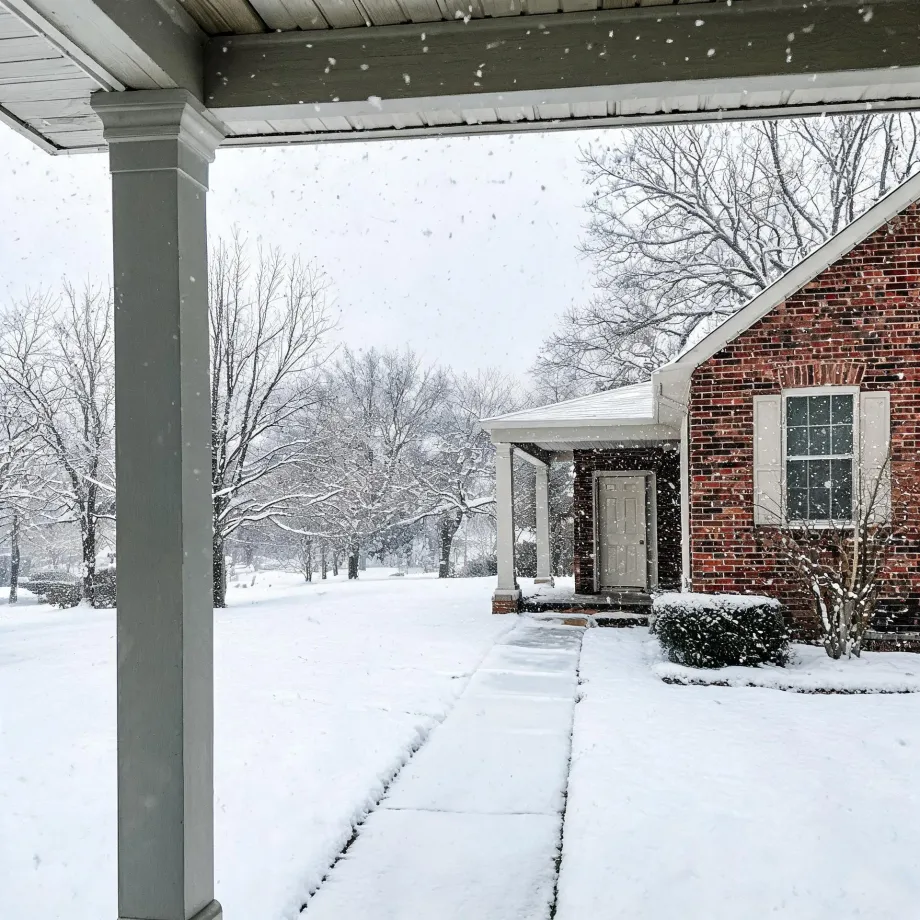
A contractor quoting a water heater replacement here starts with the fuel the house burns before they look at tank size or configuration. Fuel oil or kerosene heats more occupied homes in Bennington County, Vermont than any other fuel, at 57.3% (2020-2024 ACS 5-year). That majority shapes what a new installation is allowed to be: the venting material, the combustion air pathway, and the draft arrangement are all fuel-specific, and a unit speced for a different fuel cannot simply be swapped in. Changing fuel type at the same time as the water heater adds a separate scope of work to the job, with its own permitting and inspection requirements.
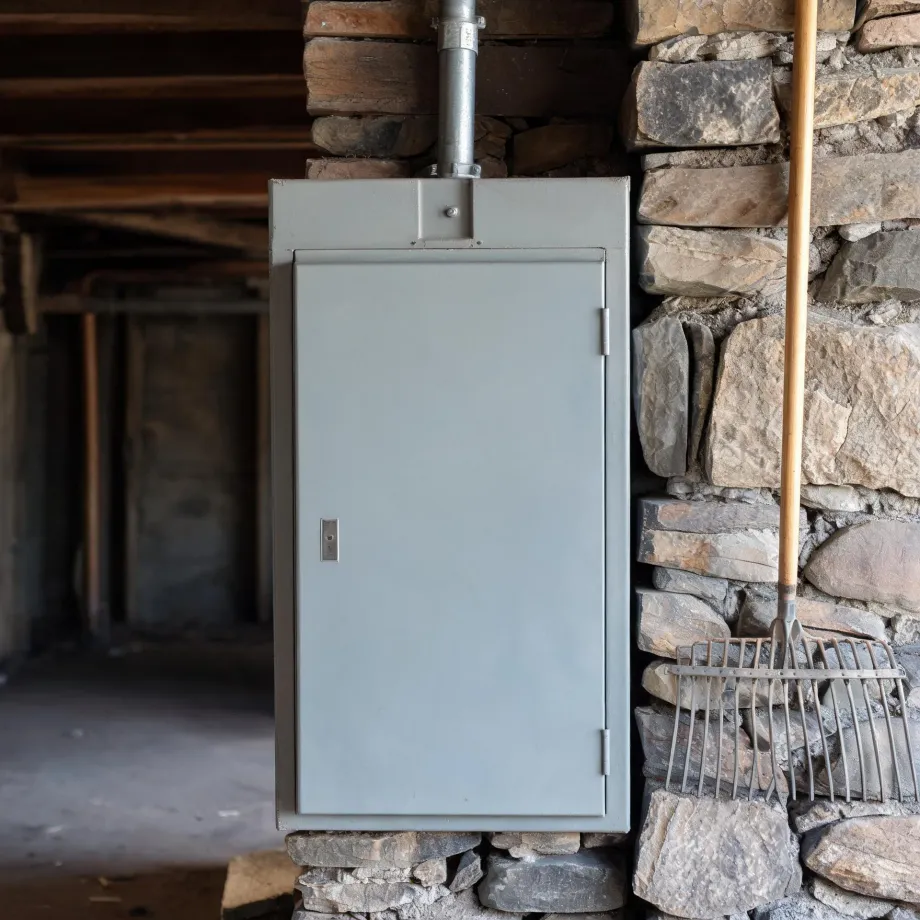
Wiring that was put in for one generation of appliances does not always carry the next. Half the homes in Bennington County, Vermont were built in 1972 or earlier (2020-2024 ACS 5-year). A contractor quoting a water heater replacement in this county checks the service panel early, because what it was sized for and what a new unit draws are frequently different numbers, and that gap can add work to a job that looked straightforward on the surface. The ductwork question belongs to forced-air systems, but the electrical question belongs to every one.
What a New Water Heater Installation Puts in Your Home
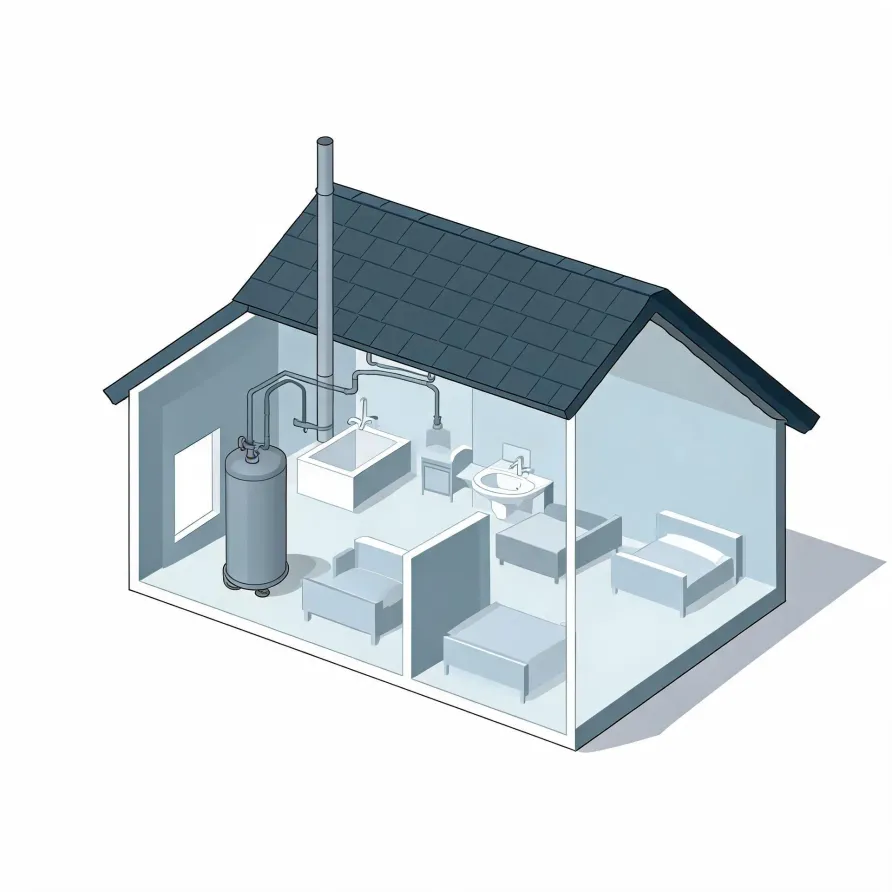
The tank is the piece most homeowners recognize first. It sits in a utility room, basement, or mechanical closet and holds a supply of water that a contractor keeps heated and ready at the tap. The inlet and outlet connections at the top of the tank bring cold water in and send hot water out to the rest of the house.
A pressure relief valve mounts on the side of the tank and opens if pressure inside climbs too high. The drain valve sits near the base. A dedicated supply line ties the tank to the home's cold water supply, and a flue or exhaust connection runs from gas-fired units up and out of the building.
The drawing shows a typical layout, and a licensed contractor determines what the installation calls for in your specific home.
Find a contractor in Bennington CountyBennington County, by the numbers
165 severe weather events were recorded in Bennington County, Vermont between 2015 and 2024.
NOAA National Centers for Environmental Information, Storm Events Database, bulk CSV export, events 2015-01-01 through 2024-12-31.Half the homes in Bennington County, Vermont were built in 1972 or earlier (2020-2024 ACS 5-year).
U.S. Census Bureau, 2020-2024 American Community Survey 5-Year EstimatesBennington County, Vermont holds 20,903 housing units (2020-2024 ACS 5-year).
U.S. Census Bureau, 2020-2024 American Community Survey 5-Year EstimatesOwners occupy 73.7% of the occupied homes in Bennington County, Vermont (2020-2024 ACS 5-year).
U.S. Census Bureau, 2020-2024 American Community Survey 5-Year EstimatesSevere Weather Events in Bennington County
Bennington County weather puts steady demand on water heating equipment, from cold snaps that drive up recovery loads to storms that can interrupt power and stress aging systems. How often that pressure hits is a local fact, and it shapes what a water heater here needs to handle.
165 severe weather events, 2015–2024. Source: NOAA National Centers for Environmental Information, Storm Events Database.