Tell us about the job
Takes about a minute. No obligation.
Oil and kerosene combustion sets the terms for a water heater install before the equipment is ever chosen. Fuel oil or kerosene heats more occupied homes in Rutland County, Vermont than any other fuel, at 60.1% (2020-2024 ACS 5-year). A contractor sizing a replacement has to account for shared flue arrangements, draft hood clearances, and whether the existing venting can handle the draw of the new unit. Those are not finishing details. They determine which equipment is even eligible, and a unit that works cleanly in a different fuel environment can fail to draft properly here.
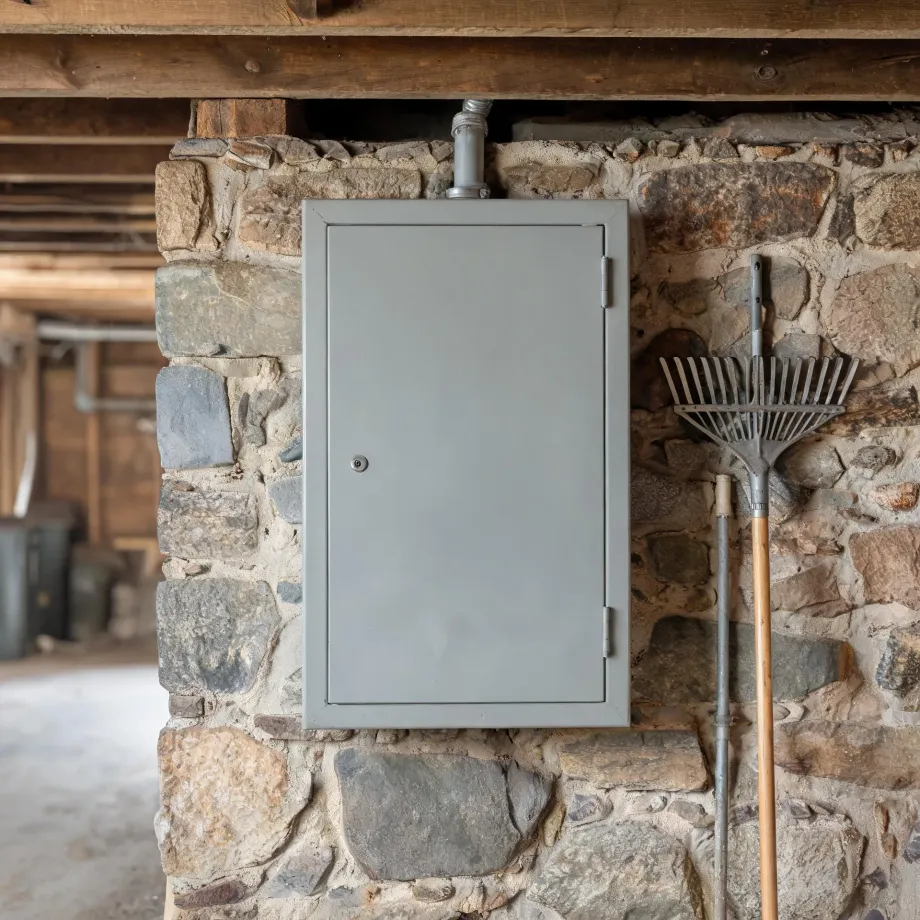
Older electrical service panels were built around loads that bear little resemblance to what a current water heater installation draws, and in a county where the housing stock runs as old as it does here, that gap shows up on job after job. Half the homes in Rutland County, Vermont were built in 1969 or earlier (2020-2024 ACS 5-year). A contractor working through a water heater installation in stock like this checks the panel before pricing the unit, because what the house can actually carry determines what gets installed, not the other way around. Wiring that was adequate for the original setup may need upgrading before a new water heater goes in.
What a New Water Heater Installation Puts in Your Home
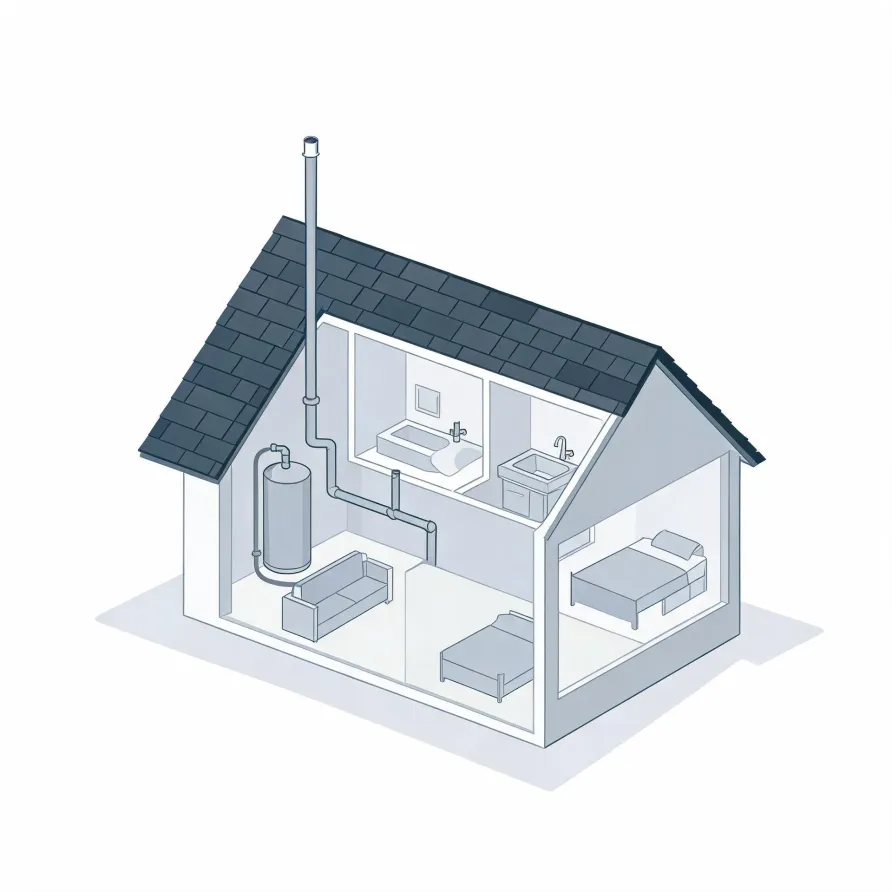
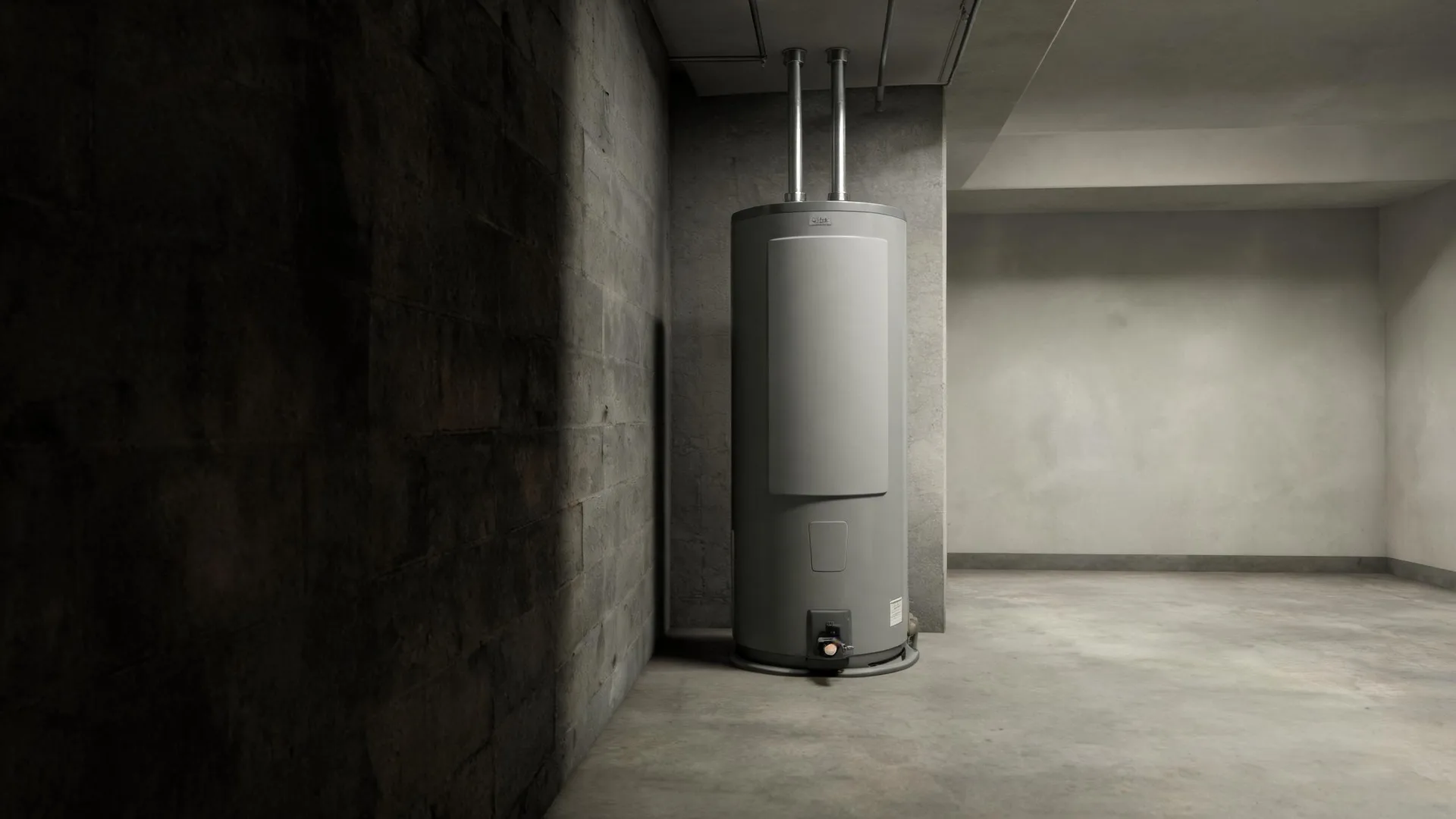
The storage tank is the piece most homeowners already know. It sits in a mechanical room, basement, or utility closet and holds a supply of water that a burner or heating element keeps at temperature. The tank is fitted with a pressure-relief valve, a cold-water inlet, and a hot-water outlet that feeds the rest of the house.
A flue pipe or exhaust vent runs from the top of a gas unit up through the wall or roof, carrying combustion gases out of the living space. Alongside the tank, a contractor sets the drain valve at the base, connects the supply lines, and where code calls for it, straps the unit to the wall.
The drawing shows a typical layout, and a licensed contractor determines what fits the setup in your specific home.
Find a contractor in Rutland CountyRutland County, by the numbers
178 severe weather events were recorded in Rutland County, Vermont between 2015 and 2024.
NOAA National Centers for Environmental Information, Storm Events Database, bulk CSV export, events 2015-01-01 through 2024-12-31.Half the homes in Rutland County, Vermont were built in 1969 or earlier (2020-2024 ACS 5-year).
U.S. Census Bureau, 2020-2024 American Community Survey 5-Year EstimatesRutland County, Vermont holds 33,991 housing units (2020-2024 ACS 5-year).
U.S. Census Bureau, 2020-2024 American Community Survey 5-Year EstimatesOwners occupy 75.1% of the occupied homes in Rutland County, Vermont (2020-2024 ACS 5-year).
U.S. Census Bureau, 2020-2024 American Community Survey 5-Year EstimatesSevere Weather Events in Rutland County
Vermont weather puts real demand on water heating equipment. Knowing what conditions a system has to endure here shapes how a contractor sizes and installs it.
178 severe weather events, 2015–2024. Source: NOAA National Centers for Environmental Information, Storm Events Database.