Tell us about the job
Takes about a minute. No obligation.
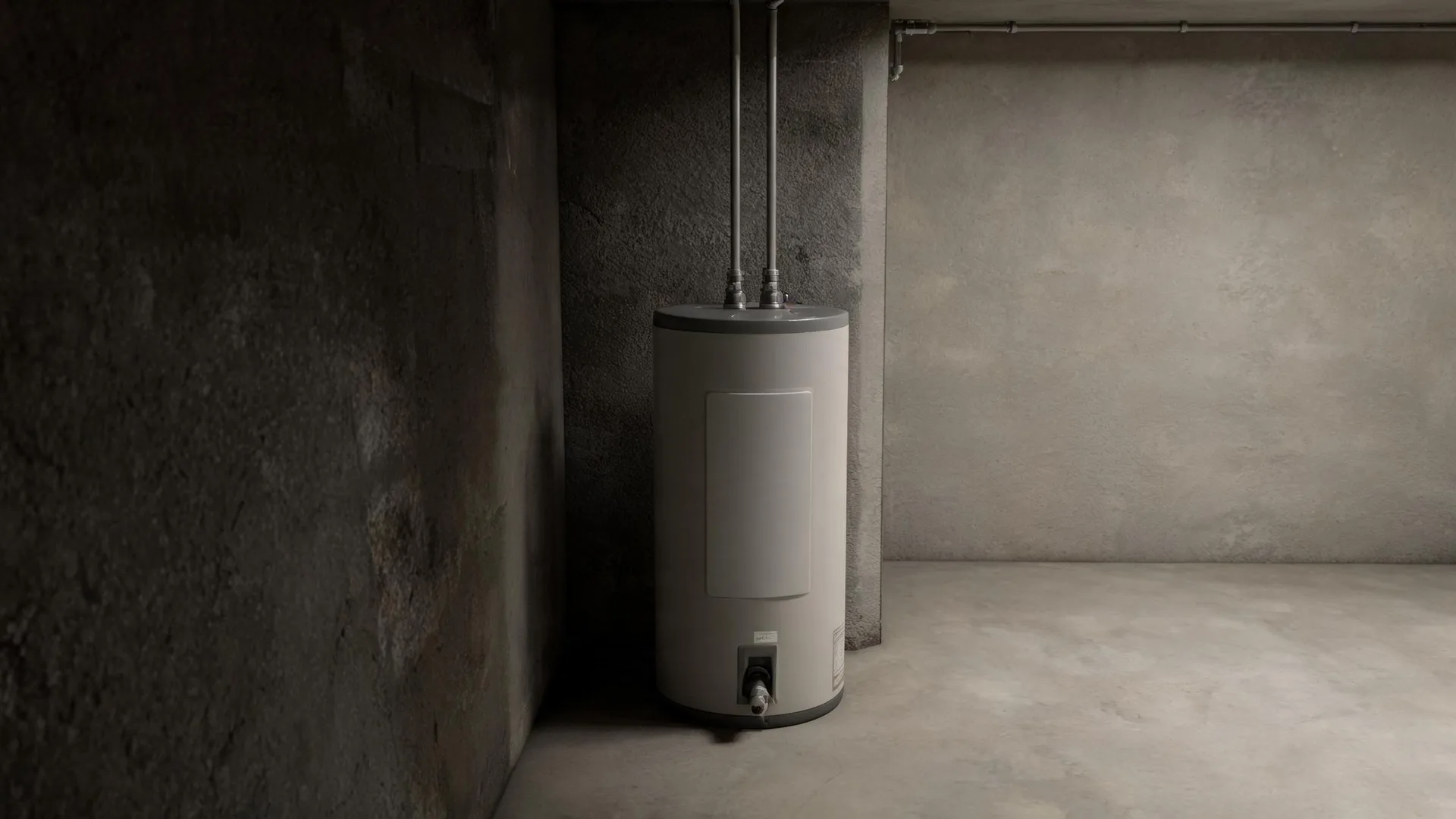
Oil and kerosene combustion leaves deposits that accumulate on the flue, the draft hood, and the burner assembly over years of continuous firing. Fuel oil or kerosene heats more occupied homes in Rutland County, Vermont than any other fuel, at 60.1% (2020-2024 ACS 5-year). A contractor diagnosing a water heater here checks the venting path and combustion air supply before anything else, because restricted flue gases cause incomplete combustion that degrades the heat exchanger from the inside. Sediment buildup in the tank is a secondary concern. The primary wear shows up in the burner components and the venting hardware that handles oil combustion year after year.
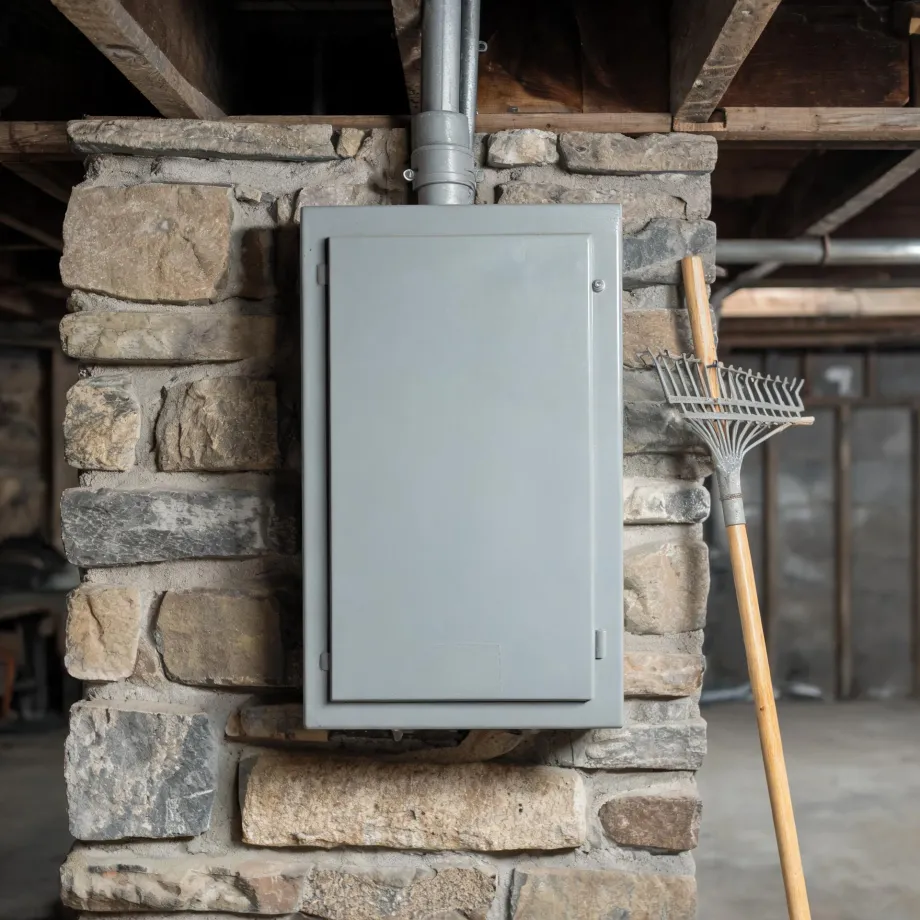
Older plumbing configurations and venting arrangements in Rutland County houses shape what a water heater repair actually involves once a contractor opens up the access. Half the homes in Rutland County, Vermont were built in 1969 or earlier (2020-2024 ACS 5-year). That means a meaningful share of the housing here was built around equipment and standards that have since changed, and the venting, supply lines, and connections a contractor finds on arrival reflect those earlier conventions. A part that looks straightforward to replace sometimes sits inside a utility configuration that requires separate decisions before the swap proceeds.
The Parts of a Water Heater a Contractor Checks First
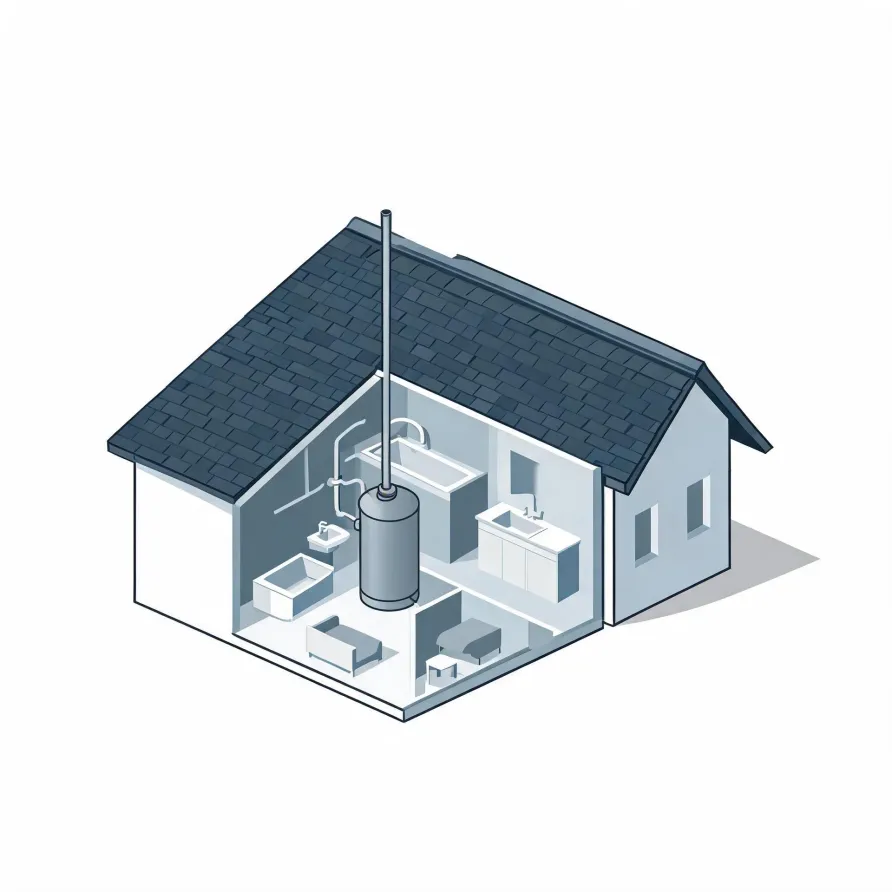
The tank is what most homeowners see, usually standing in a basement, utility closet, or garage. It holds water at a set temperature around the clock. When something goes wrong, the tank itself, its outer shell and inner lining, is where a contractor looks for corrosion, sediment buildup, and signs of pressure stress.
The heating element or burner sits inside or beneath the tank depending on whether the unit runs on electricity or gas. The thermostat, pressure relief valve, and inlet and outlet connections all attach to the tank or its supply lines. Any of these can be the source of no hot water, inconsistent temperatures, or water where it should not be.
The drawing shows a general layout of a water heater and its components, and a licensed contractor determines what applies to the specific unit and installation in your home.
Find a contractor in Rutland CountyRutland County, by the numbers
178 severe weather events were recorded in Rutland County, Vermont between 2015 and 2024.
NOAA National Centers for Environmental Information, Storm Events Database, bulk CSV export, events 2015-01-01 through 2024-12-31.Half the homes in Rutland County, Vermont were built in 1969 or earlier (2020-2024 ACS 5-year).
U.S. Census Bureau, 2020-2024 American Community Survey 5-Year EstimatesRutland County, Vermont holds 33,991 housing units (2020-2024 ACS 5-year).
U.S. Census Bureau, 2020-2024 American Community Survey 5-Year EstimatesOwners occupy 75.1% of the occupied homes in Rutland County, Vermont (2020-2024 ACS 5-year).
U.S. Census Bureau, 2020-2024 American Community Survey 5-Year EstimatesSevere Weather Events in Rutland County
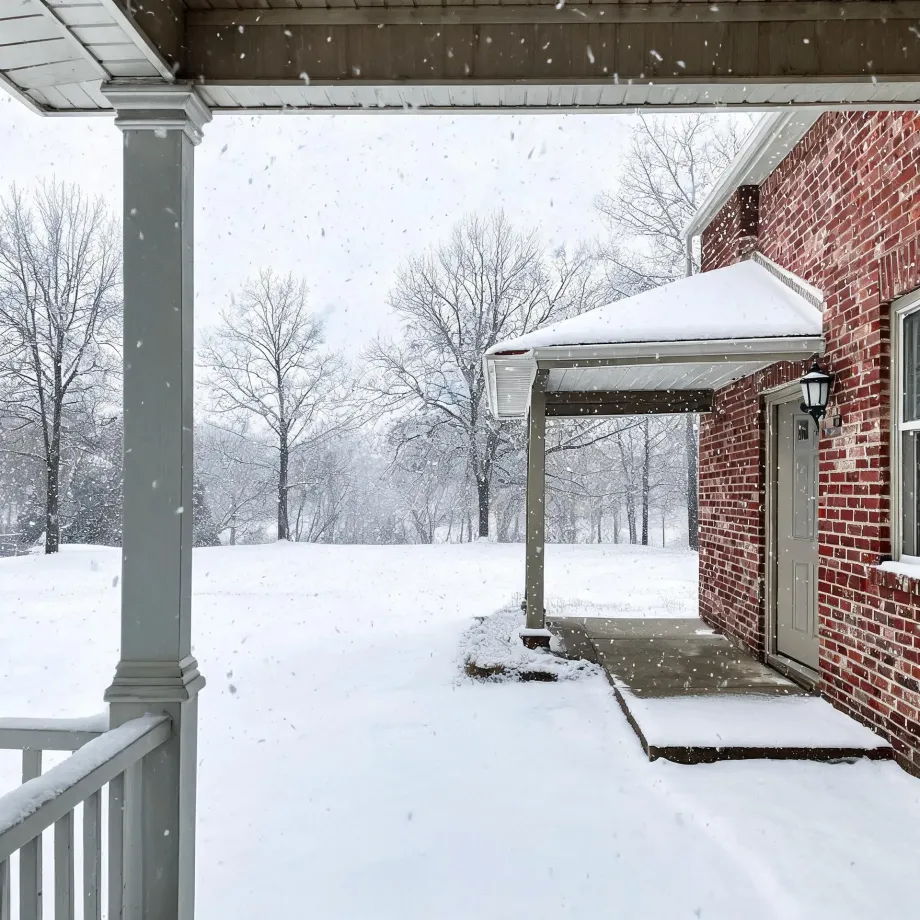
Rutland County's weather puts real stress on water heaters, which run harder and wear faster when temperatures swing and power gets interrupted. How much strain a unit takes over its life is a local question, and the record below shows what conditions contractors here work around.
178 severe weather events, 2015–2024. Source: NOAA National Centers for Environmental Information, Storm Events Database.