Tell us about the job
Takes about a minute. No obligation.
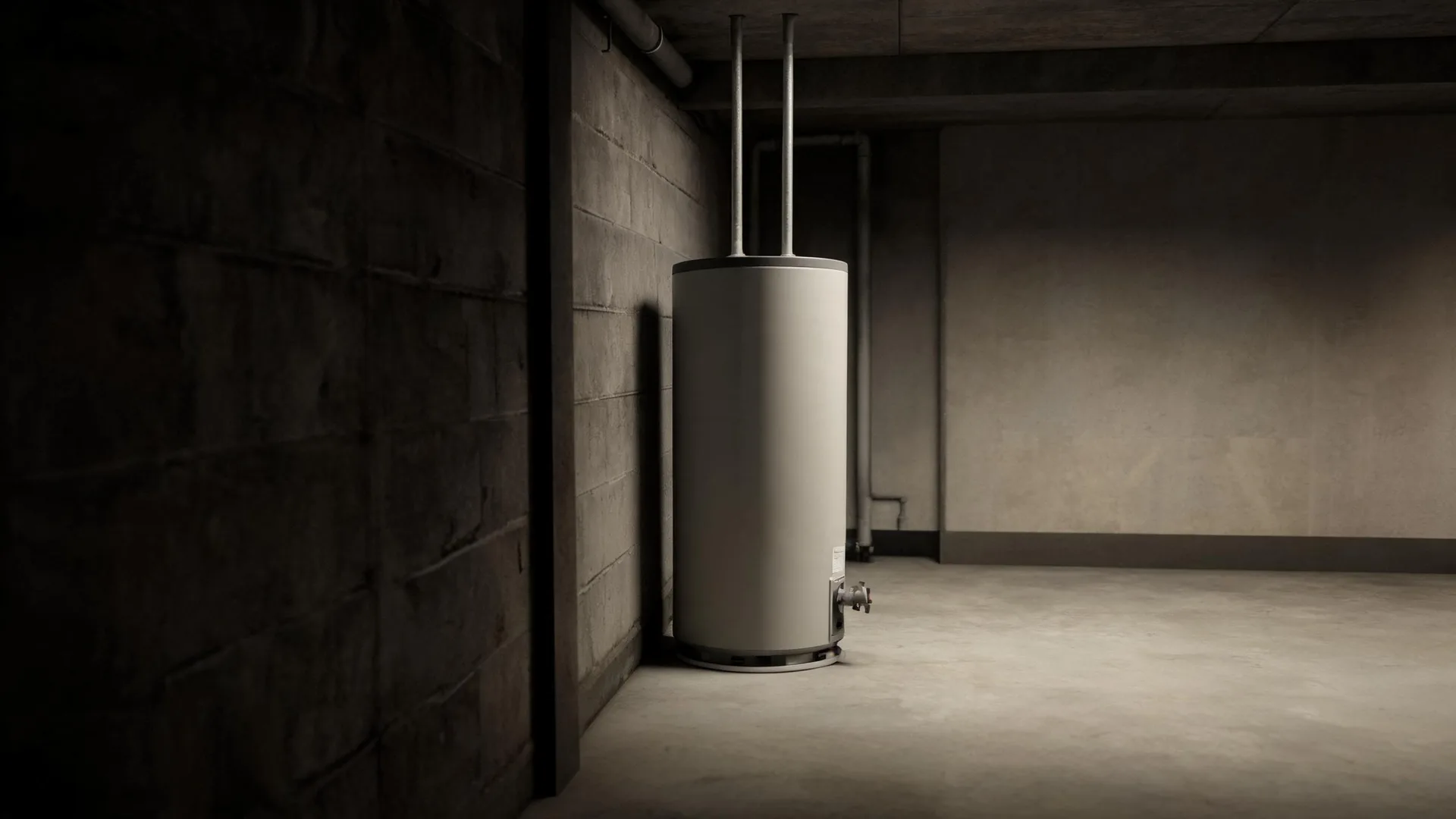
Fuel oil and kerosene systems put sustained demand on the burner, the igniter, and the heat exchanger in ways that electric or gas equipment does not see. Fuel oil or kerosene heats more occupied homes in Bennington County, Vermont than any other fuel, at 57.3% (2020-2024 ACS 5-year). A contractor called out to a failing water heater in this county starts with the combustion side: the nozzle, the electrodes, and the flue passages, because those are the parts that accumulate carbon, soot, and wear from repeated firing cycles. Sediment in the tank matters too, but it is rarely what stops a fuel-fired unit from heating water reliably.
Plumbing lines in much of this county's housing stock have been running without replacement since the houses were first occupied. Half the homes in Bennington County, Vermont were built in 1972 or earlier (2020-2024 ACS 5-year). A water heater sitting in a house that old has often outlasted one or two previous units, and what a contractor finds once the tank or tankless system is opened reflects that continuous service: sediment loading, a depleted anode rod, and supply-side mineral content that has worked on the system since installation. Those conditions shape the repair scope and what parts the job actually requires.
The Parts of a Water Heater a Contractor Checks First
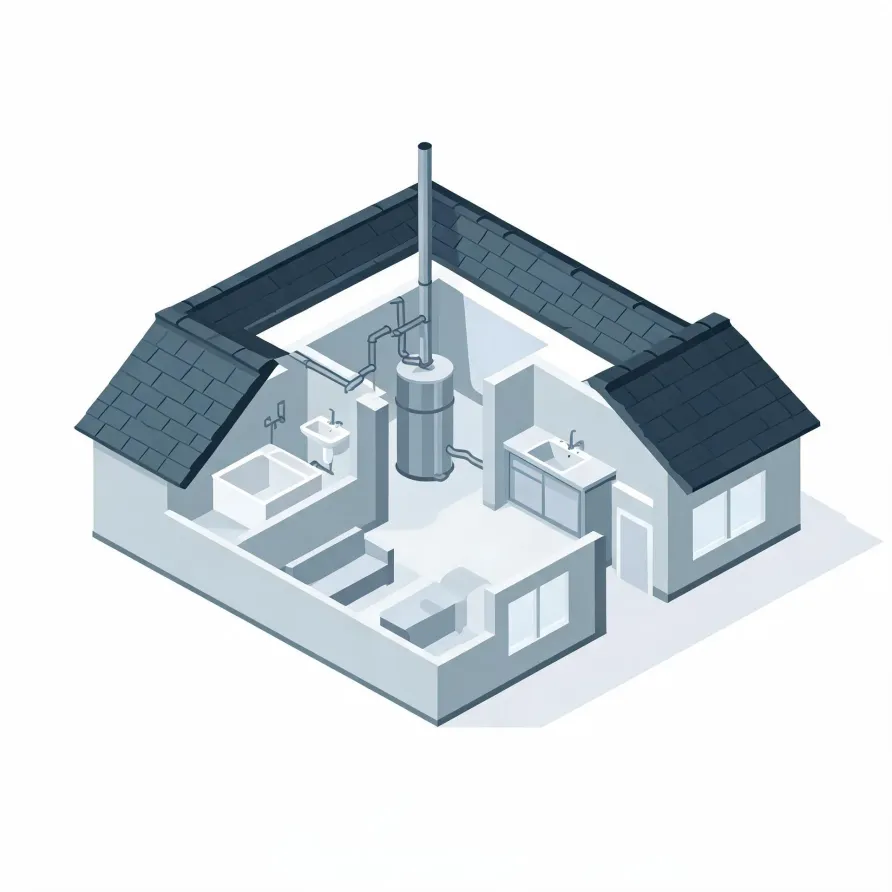
The tank is what most homeowners see, sitting in a utility room, basement, or closet, and its job is to hold a supply of water at a set temperature. The burner or heating element sits inside or beneath the tank and is what actually raises that temperature. When either is failing, you get water that is lukewarm, slow to recover, or not hot at all.
The thermostat controls when heating starts and stops, and a faulty one sends the wrong signal to the burner or element. The pressure relief valve mounts on the side of the tank and opens if internal pressure climbs too high. The anode rod hangs inside the tank to slow corrosion, and when it is spent, the tank itself begins to degrade.
The drawing shows the general layout of a water heater system, and a licensed contractor determines which parts apply to the specific unit and setup in your home.
Find a contractor in Bennington CountyBennington County, by the numbers
165 severe weather events were recorded in Bennington County, Vermont between 2015 and 2024.
NOAA National Centers for Environmental Information, Storm Events Database, bulk CSV export, events 2015-01-01 through 2024-12-31.Half the homes in Bennington County, Vermont were built in 1972 or earlier (2020-2024 ACS 5-year).
U.S. Census Bureau, 2020-2024 American Community Survey 5-Year EstimatesBennington County, Vermont holds 20,903 housing units (2020-2024 ACS 5-year).
U.S. Census Bureau, 2020-2024 American Community Survey 5-Year EstimatesOwners occupy 73.7% of the occupied homes in Bennington County, Vermont (2020-2024 ACS 5-year).
U.S. Census Bureau, 2020-2024 American Community Survey 5-Year EstimatesSevere Weather Events in Bennington County
Extreme weather puts real strain on water heating equipment, cycling it hard through temperature swings and power disruptions that shorten its working life. How much of that pressure a system faces depends on where it sits, and Bennington County has its own record.
165 severe weather events, 2015–2024. Source: NOAA National Centers for Environmental Information, Storm Events Database.