Tell us about the job
Takes about a minute. No obligation.
Oil-fired water heaters leave residue that gas units do not: the combustion byproducts that settle in the flue collar, coat the heat exchanger, and foul the electrodes are heavier and stickier, and they compound with every firing cycle. Fuel oil or kerosene heats more occupied homes in Essex County, Vermont than any other fuel, at 50.2% (2020-2024 ACS 5-year). A contractor opening an oil-fired tank heater in this county checks the nozzle, the electrodes, and the heat exchanger surface before reaching any other conclusion about why the unit is underperforming. Sediment in the tank tells part of the story; combustion-side fouling tells the rest, and a repair quote that skips the burner assembly is missing where most of the wear lands.
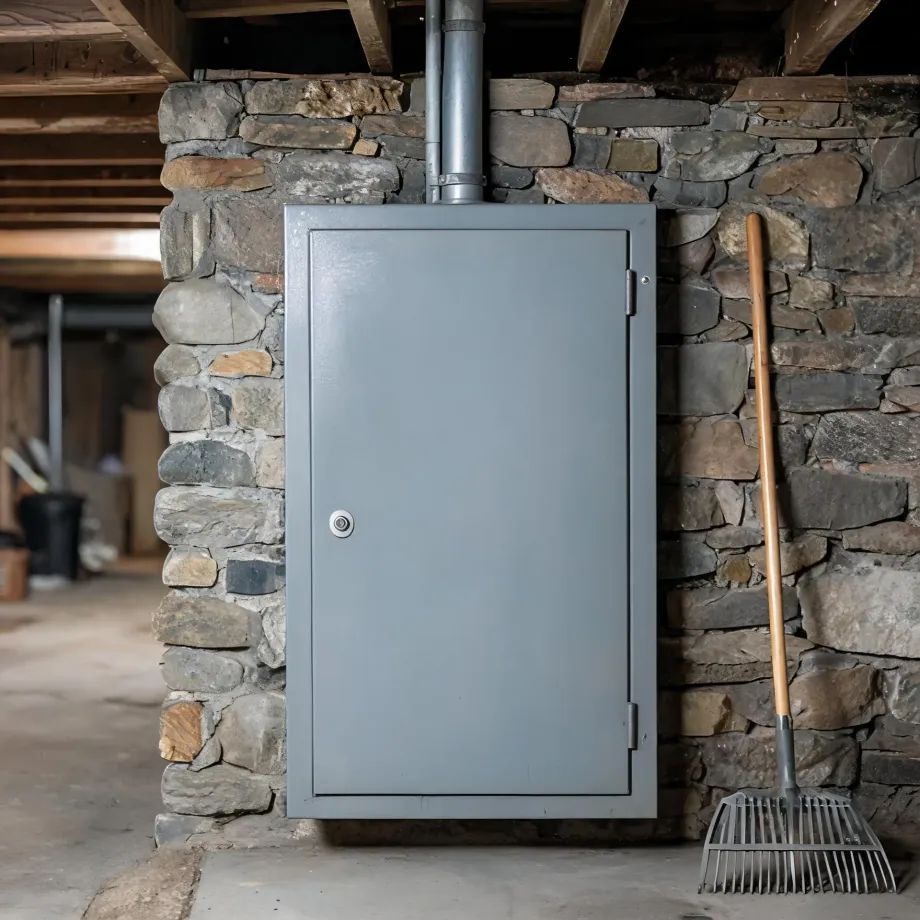
Half the homes in Essex County, Vermont were built in 1973 or earlier, and half in 1973 or later (2020-2024 ACS 5-year). A water heater running in a house from that era was almost certainly installed well after the house was built, but the system it replaced, and the one before that, shaped what a contractor finds when the unit comes open: supply line configurations, connections, and fittings sized for hardware that is no longer in production. When a repair turns on a specific valve, element, or thermocouple, the question is whether the part the unit actually takes is still being made in that form. Often enough in stock this age, it is not, and that changes the scope of the job before the labor conversation starts.
The Parts of a Water Heater a Contractor Checks First
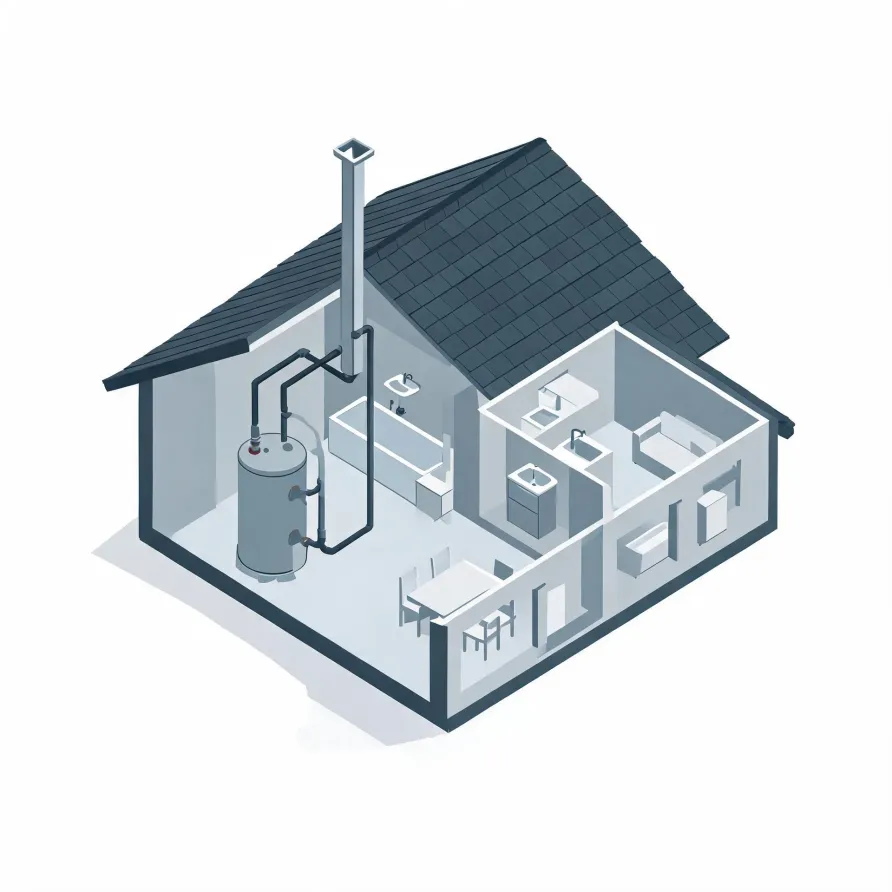
The tank itself is the center of the system, usually standing in a basement, utility closet, or garage, and its job is to hold and heat a supply of water. The tank's interior lining and anode rod are the first things a contractor examines when the unit stops delivering hot water or starts showing signs of corrosion.
The pressure relief valve sits on the side or top of the tank and releases pressure if it builds past a safe level. The inlet and outlet connections, along with the thermostat and burner assembly or heating elements depending on the fuel type, round out what a contractor works through when tracing a fault.
The drawing shows the general layout of a water heater system, and a licensed contractor determines what applies to the specific unit and installation in your home.
Find a contractor in Essex CountyEssex County, Vermont, by the numbers
76 severe weather events were recorded in Essex County, Vermont between 2015 and 2024.
NOAA National Centers for Environmental Information, Storm Events Database, bulk CSV export, events 2015-01-01 through 2024-12-31.Half the homes in Essex County, Vermont were built in 1973 or earlier (2020-2024 ACS 5-year).
U.S. Census Bureau, 2020-2024 American Community Survey 5-Year EstimatesEssex County, Vermont holds 4,952 housing units (2020-2024 ACS 5-year).
U.S. Census Bureau, 2020-2024 American Community Survey 5-Year EstimatesOwners occupy 82.4% of the occupied homes in Essex County, Vermont (2020-2024 ACS 5-year).
U.S. Census Bureau, 2020-2024 American Community Survey 5-Year EstimatesWeather Stress on Water Heaters in Essex County
Extreme weather puts direct strain on water heaters: sharp temperature swings force the unit to work harder, and prolonged cold spells accelerate wear on parts already under load. How much of that pressure a system faces depends on where it sits, which makes local weather history a real factor in repair frequency.
76 severe weather events, 2015–2024. Source: NOAA National Centers for Environmental Information, Storm Events Database.