

Heating the way it should
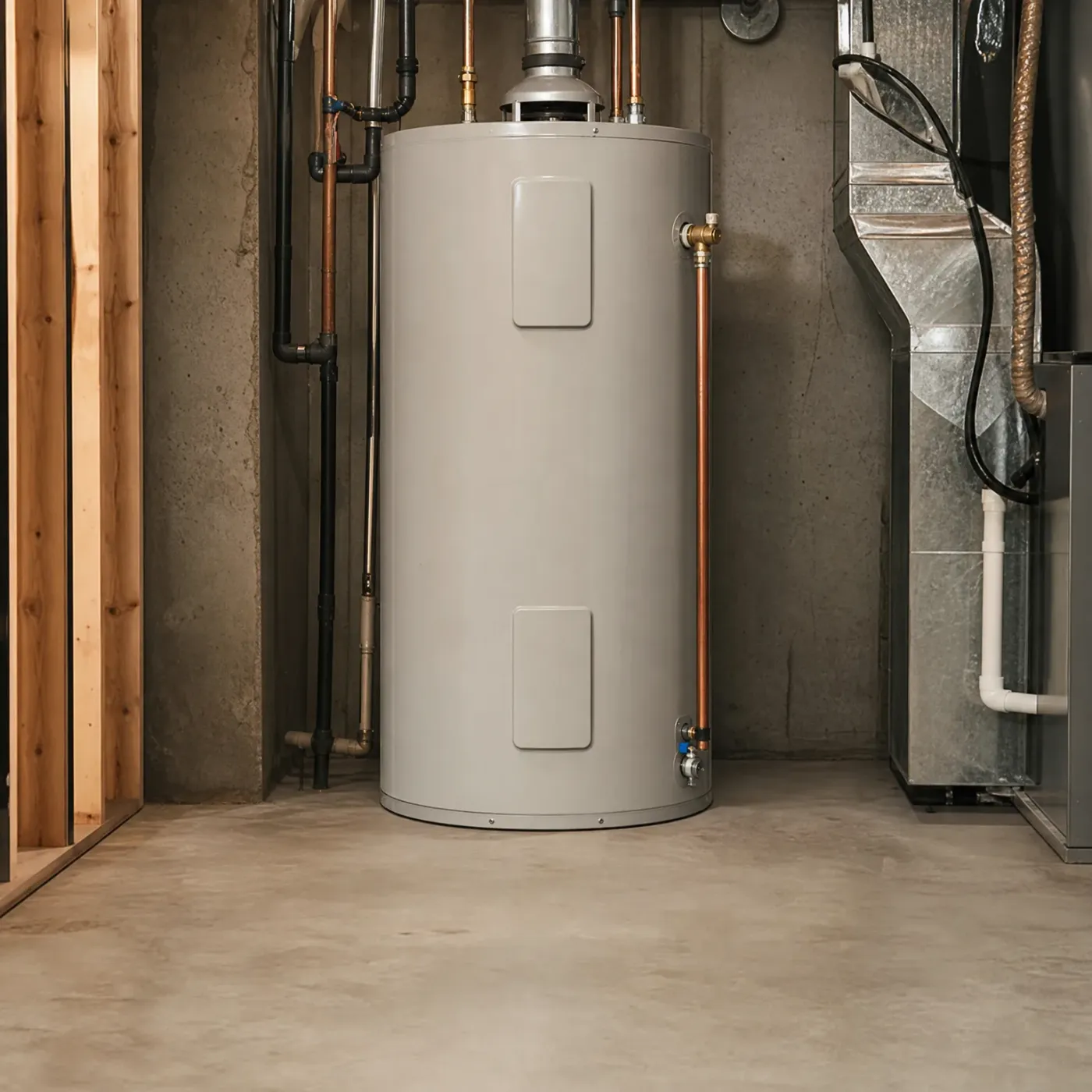
This tank sits in an unfinished basement, copper lines and the vent running clean out the top. Water heats straight through with no sound from inside the tank. That's what a clear tank floor sounds like, nothing at all.
A local pro who knows water heaters gets your details and gets in touch.
Match me with a proThat popping or rumbling comes from sediment sitting at the bottom of the tank. Well water and municipal water both carry minerals, and over time they settle out and harden into a layer on the tank floor. When the burner or the elements heat the water, steam bubbles form underneath that layer and push up through it, and the popping sound is those bubbles breaking free. It gets louder as more sediment builds up, not quieter. A tank with a thick layer at the bottom is also working harder to heat the water above it, which matters here with power costs what they are in Vermont. Left alone, that layer keeps hardening and can shorten how long the tank lasts. The noise itself will not damage anything in the next day or two, but it is the tank telling you it needs to be flushed or looked at before the buildup gets worse.
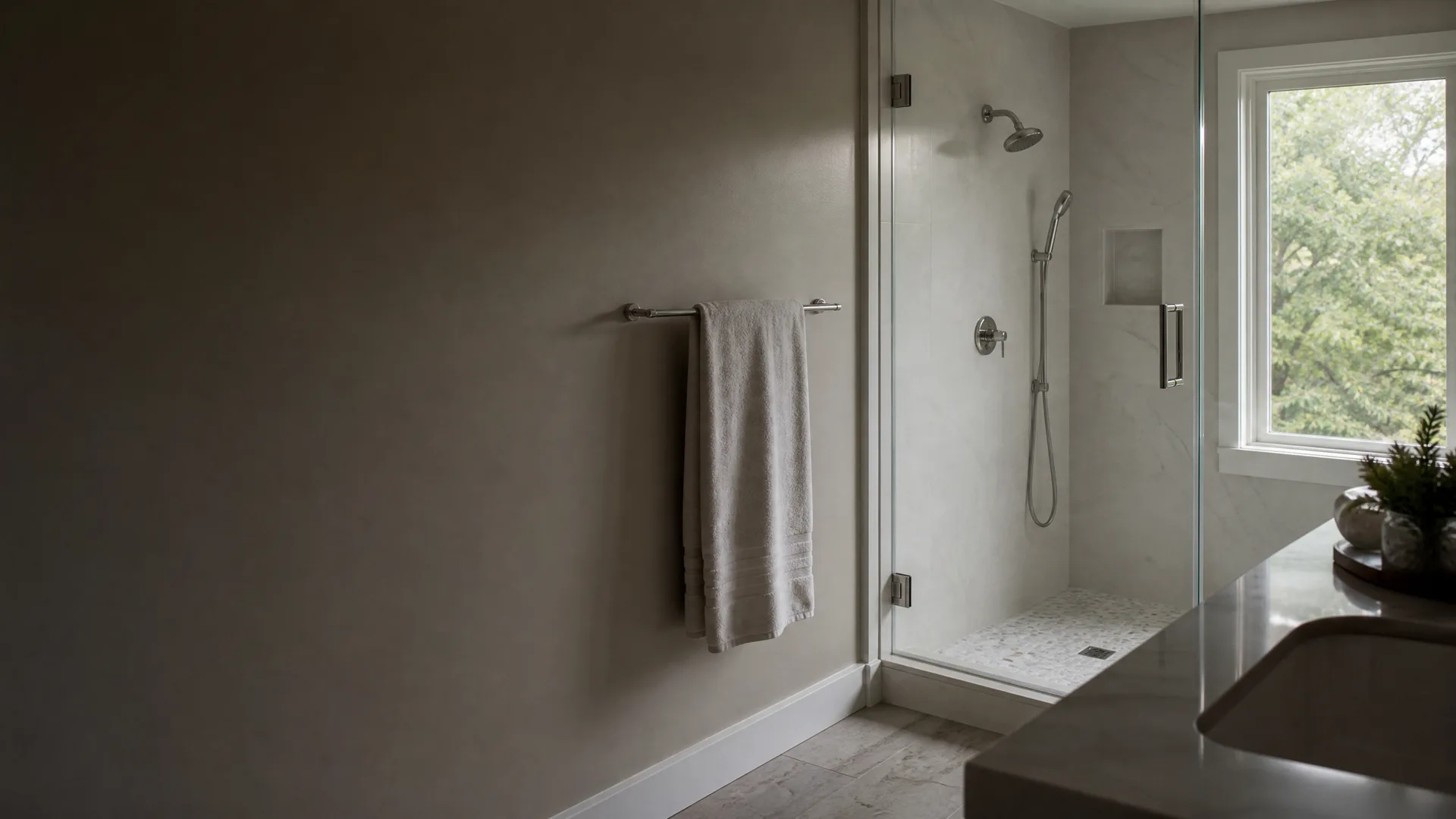
Monday morning, upstairs bathroom. You turn the shower on and wait for steam that doesn't come. The water runs, but it's taking longer than it should to warm up, and underneath the sound of the water you can hear it again, that popping from down in the basement where the tank sits. Your towel is on the rail, your coffee is getting cold on the sink. Outside it's still dark, one of those cold Vermont mornings where the oil furnace has been running most of the night. You stand there a minute longer than you want to, hand under the water, waiting.



This tank sits in an unfinished basement, copper lines and the vent running clean out the top. Water heats straight through with no sound from inside the tank. That's what a clear tank floor sounds like, nothing at all.

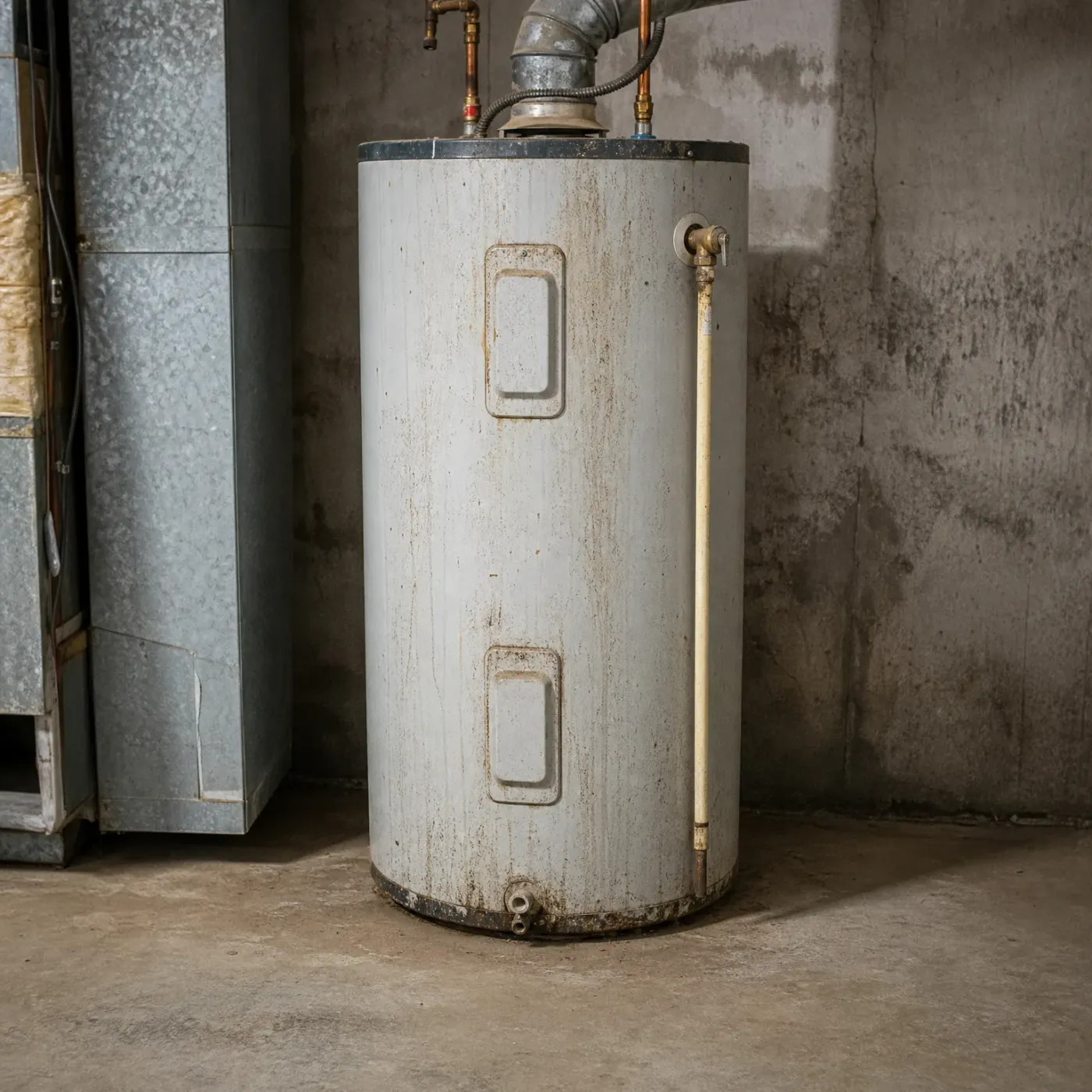
This one shows its age on the jacket, corrosion working down the sides. A tank that's carried years of hard popping has usually built up scale to match the rust you can see. Vermont well water leaves minerals behind either way, inside the tank where nobody's looking.




Once you send the form, finding a pro is off your list.
It costs nothing to send, and you don't have to hire anyone.
The popping is steam. Water gets trapped under and inside the layer of scale on the tank floor, and when the burner heats it past boiling, it forces its way out through the crust. Each pop is a small burst breaking loose. A gas tank will keep doing this every time the burner fires, because the flame sits right under that layer. In an oil-fired water heater, common in Vermont, the burner runs the same way underneath the tank, so the same scale buildup causes the same popping.
Scale doesn't conduct heat the way the steel tank does. Once it's built up on the floor, the burner has to push heat through it before the water above ever warms. That means longer burner cycles to reach the same temperature, and with Vermont's electric rates among the highest in the country, a gas or electric water heater running longer to do the same job shows up on the bill. An oil-fired tank burns through more oil for the same result, cycle after cycle, until the scale is cleared out.


Does the popping mean I need a new water heater?
Popping by itself is scale, not a dying tank. A gas water heater can run for years with that sound before anything fails, because the burner is still reaching the water, just through a layer it shouldn't have to heat through. What points toward replacement is everything else: water that's gone from clear to rusty, water pooling under the tank, or the tank itself showing rust on the outside. Oil heat covers most of the house in Vermont, so this tank is likely carrying the full load of hot water on its own. A flush can quiet the popping if the scale hasn't gone too far, but once a tank is leaking or the steel is rusting through, flushing won't change that.
Oil heats most homes in Vermont, so the furnace or boiler handles the winter and the water heater runs on its own the rest of the year. With nobody checking it alongside the heat, sediment has more time to build up unnoticed before that popping gets your attention.
ACS 2020-2024 5-year B25040
The sound is sediment, not a tank on its way out. Minerals in the water settle to the bottom and harden over time, and the popping is steam forcing its way through that layer when the burner or elements heat past it. A water heater can make that noise for years before anything actually fails. That doesn't mean it's fine to leave alone. A tank heating through scale is working harder than it needs to, and with power rates in Vermont among the highest in the country, that extra work costs more than it should. Most homes here run oil heat through the winter, which means the water heater works alone the rest of the year with nobody checking it. That's usually how the buildup goes unnoticed until the popping gets loud enough to catch your attention.
A flush clears the loose sediment before it has the chance to harden into the crust that's causing the noise now. Beyond that, a contractor can check the burner or the elements to see what shape they're in after heating through scale. Either way, the fix is straightforward once someone's looked at it.
Once you send the form, that part stops being your job. You've already done the work of catching it early instead of letting it run. Finding the right contractor and getting them out to look at the tank is the next step, and it's one you don't have to carry yourself.
After you send the request, you're done searching.
