Why your water heater is leaking in Vermont

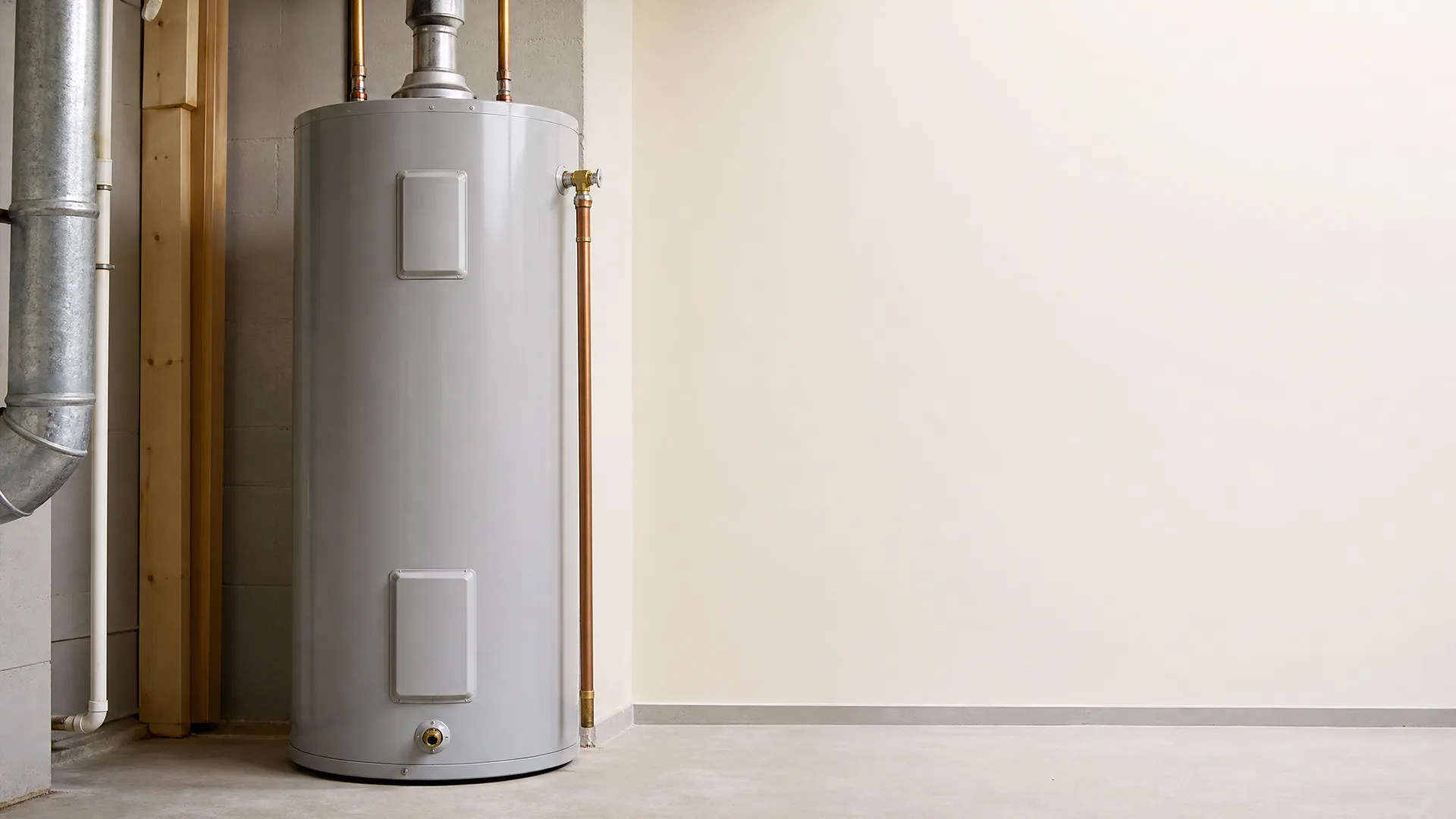
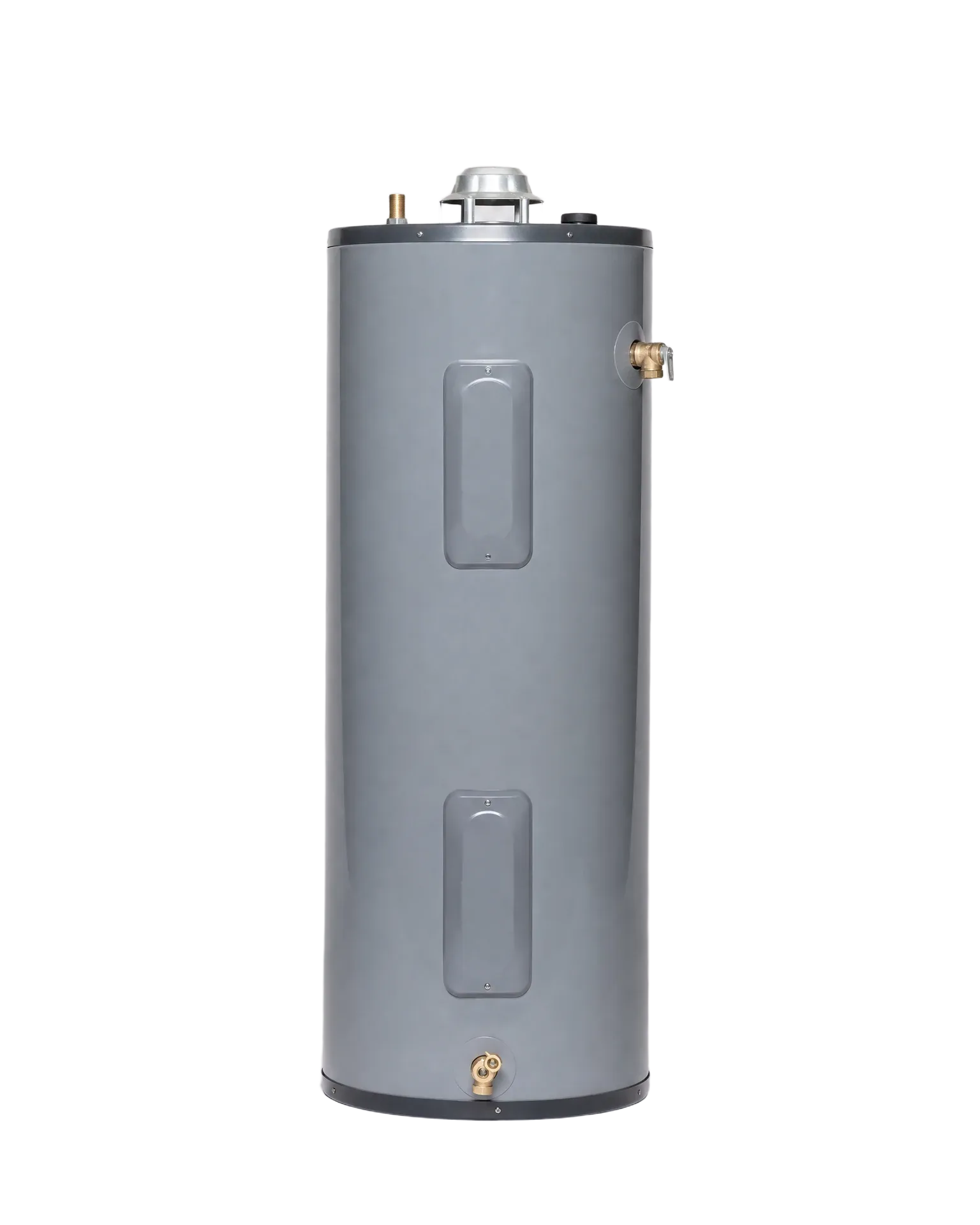
A gray cylindrical water heater with two access panels, a brass side valve, a bottom drain valve, and a metal vent cap on top, photographed against a plain light background.
Get a water heater pro

Why is my water heater leaking?

Water pooling under the tank or dripping from a fitting is unsettling, especially when you need hot water working reliably for the household. The leak could be coming from a few different places, and where it starts tells you a lot about whether it is a quick fix or a sign the tank itself is done. Before calling anyone, it helps to know what you are actually looking at.

Most often, the tank is rusting through from the inside

A water heater tank corrodes from the inside out over years of holding hot water, and once it rusts through, no fitting or valve can stop the leak. That kind of leak means replacement, not repair. If the water is coming from a fitting, the pressure relief valve, or a drain valve instead of the tank itself, that is usually fixable. Vermont's power rates are among the highest in the country, and a water heater working harder to recover, or one that is starting to fail, can show up as a slow leak before it shows up on the electric bill. Checking the source of the water, tank versus connection, is the first thing worth doing.

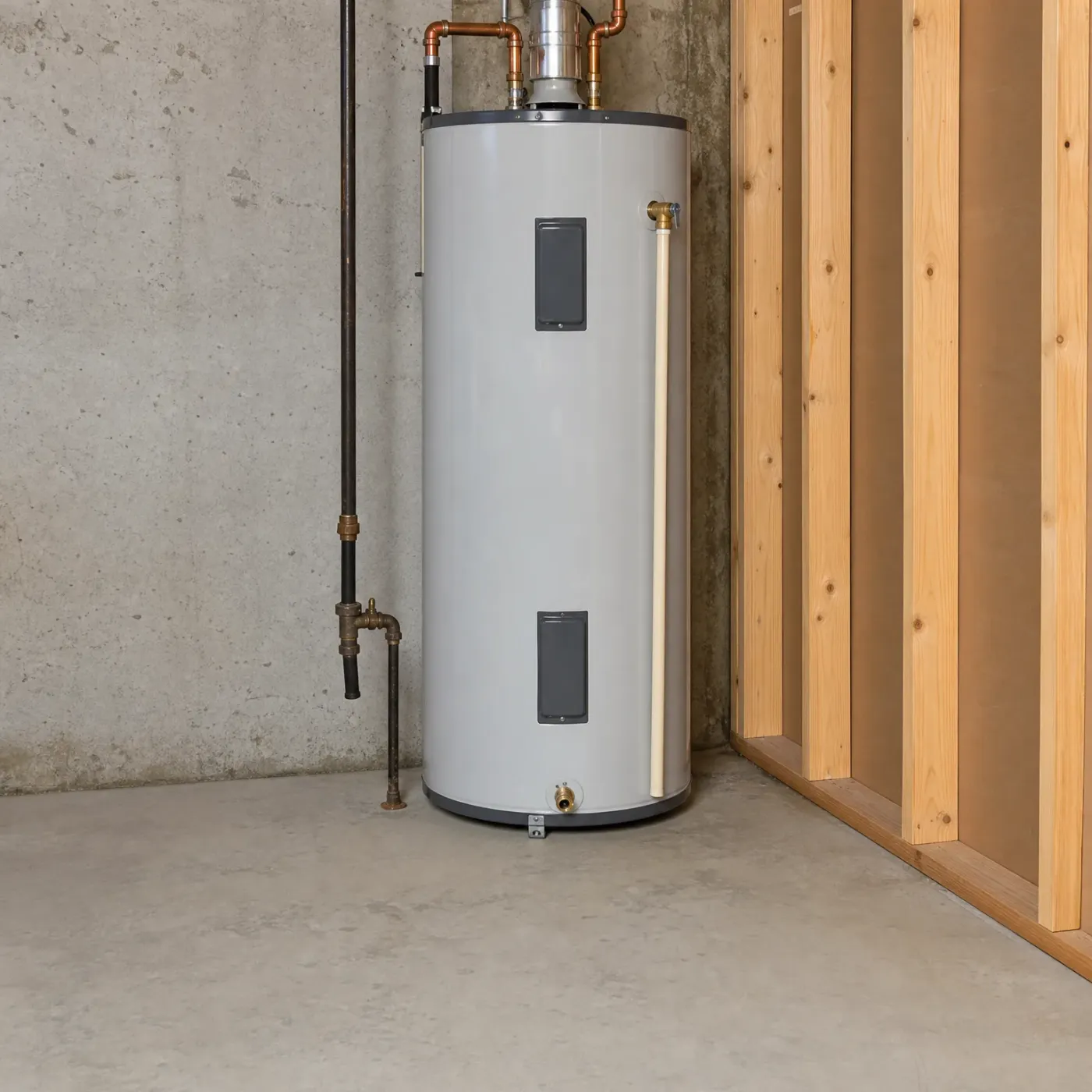
A light gray cylindrical water heater with two access panels stands on a concrete floor against a concrete wall, with copper and black pipes beside it and an unfinished wood stud wall to the right.

Water at a fitting or valve

If the water is coming from a connection point, a supply line, the drain valve at the base, or the relief valve and its discharge tube, the tank itself may be fine. A loose fitting or a worn valve can often be replaced without touching the tank.
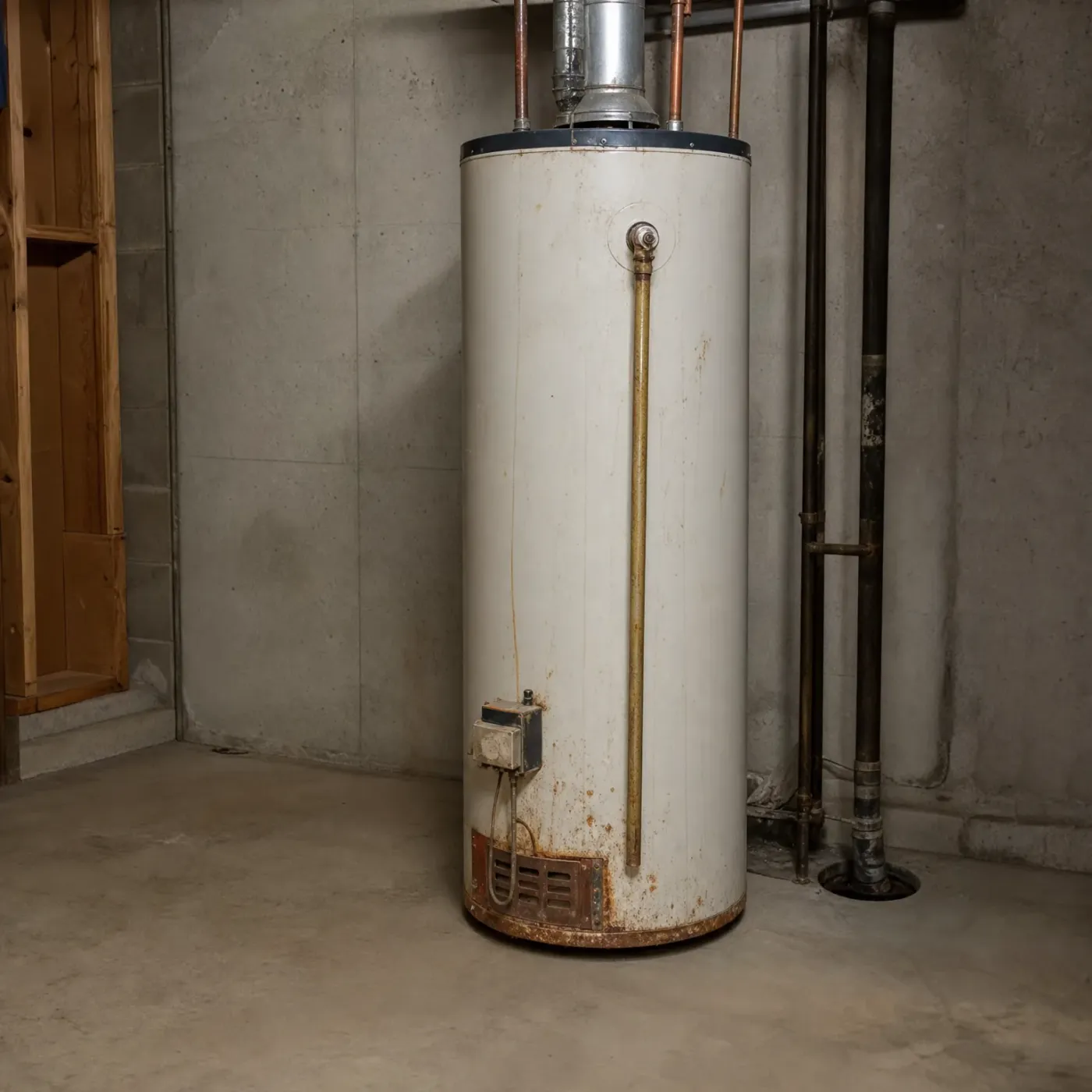

An older white gas water heater with rust staining and an exposed vertical pipe stands against a concrete block basement wall, with a metal flue above and black vertical pipes to the right.

Water from the tank itself

Rust working down the lower section of the tank, like the discoloration pooling near the base here, means the steel has corroded through. Once the tank is leaking, not a fitting, it won't seal again, and the unit needs to be replaced.

Is the puddle actually coming from the tank itself

Look at where the water is actually showing up. A damp spot on the floor directly under the tank, with no fitting or pipe above it, usually means the tank has rusted through from the inside. That water won't stop on its own, and it won't wait for a convenient time. A tank that's failing can go from a slow weep to a steady stream, and once the steel gives way you're looking at a flood on the floor instead of a repair. With oil heat covering most of the work in a Vermont home, the water heater is often the one thing in the basement running on electricity, so losing hot water here means losing it outright until it's dealt with.

A woman with long wavy brown hair in a grey ribbed sweater sits on a couch indoors, looking toward a window, with a potted palm-like plant and fireplace behind her.
A woman with long brown hair wearing a green V-neck top and beige cardigan sits on a light sofa, looking off to the side, with a dining table, lamp and framed picture in the background.
A woman with long dark hair in a cream knit sweater sits on a beige sofa indoors, looking toward a bright window with a houseplant and framed picture in the background.
A woman with long dark hair in a green knit sweater sits on a couch indoors, smiling and looking toward a window with a blurred room behind her.

A water heater pro near you

A tank that's rusted through won't wait for a good time to fail. In Vermont, a lot of homes run water heaters alongside oil heat, and the tank itself is usually electric or works off a separate system from the furnace, so a leak there doesn't mean your heat is in trouble too, but it does mean you're without hot water until it's sorted. Tracking down whether this is a fitting, a valve, or the tank itself takes someone looking at it in person, and then finding a plumber who can get to it, explaining what you're seeing, and waiting on a callback isn't the part that needs doing twice. You've already looked at where the water's showing up. The next step is getting a contractor who handles water heater repair in your part of Vermont to look at the same thing and tell you what it actually means for your tank.

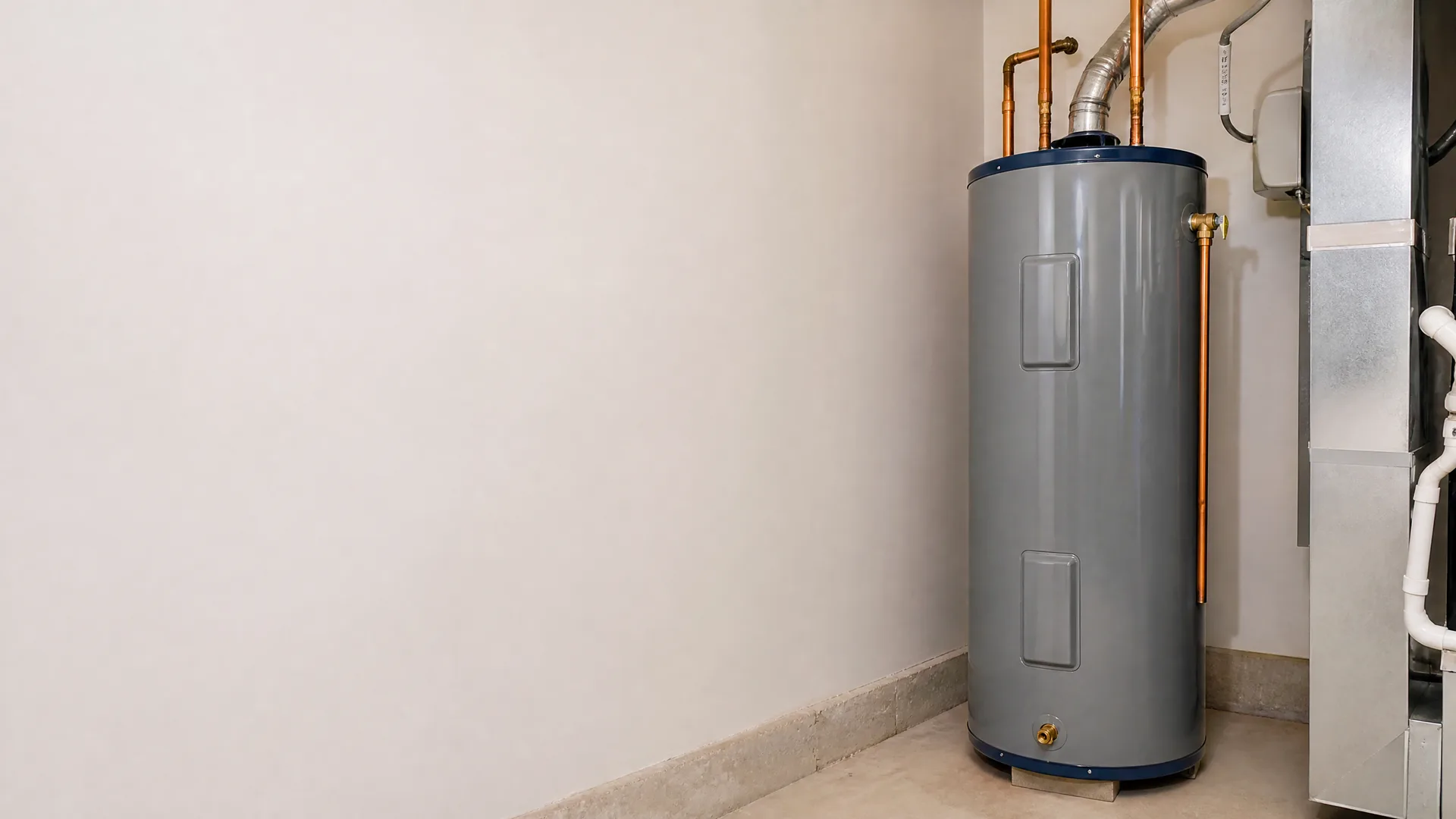
A gray cylindrical water heater with copper pipes stands in a basement corner beside a metal duct and wood framing, next to a plain beige wall and concrete floor.

Why the tank rusts from inside

A tank holds water against bare steel at every moment it's full, which is all the time. The inside has a glass lining and a sacrificial anode rod meant to corrode first and protect the steel. Once that rod is used up, the tank itself starts to rust. That process is slow until it isn't, and there's no patch for it once the steel gives way. A fitting can be swapped. A rusted tank wall cannot.

A gray cylindrical water heater with copper pipes stands in a corner of a basement utility room beside metal ductwork and white PVC piping.

What the water pressure is doing

Every time hot water is drawn and cold water refills the tank, the steel heats and cools and the pressure inside shifts. A fitting or valve under that kind of repeated stress will loosen or wear out over years, which is why those leaks show up gradually, a drip, then a damp patch, then a steady weep. The tank wall doesn't work loose the same way. When it fails, it's because the metal itself gave out, not because something came unscrewed.

38.5% of homes statewide heat with fuel oil

Most houses in Vermont heat with oil, not electricity, and that means your water heater is almost always running on its own separate system. A leak at the tank is a plumbing problem, not a furnace problem, so fixing it won't touch your heat at all.

ACS 2020-2024 5-year B25040

A leak from a fitting can often be fixed. A leak from the tank itself means the tank is done, and water on the floor will keep showing up until it's replaced. Either way, the water on your floor has an answer, and it's worth getting someone to look before a slow drip turns into a flood overnight. Finding that someone is the part that usually eats the time: searching for a plumber who works on water heaters, calling a few, describing where the water is coming from to each one, then waiting on quotes to compare. You don't have to do any of that here. Answer a few questions about what you're seeing and get matched with a contractor who handles this kind of repair in Vermont, and they'll reach out to you directly. No more calling around trying to find someone with an opening, and no more repeating yourself to a different voice each time.

At dusk, a dark board-and-batten house with a standing-seam metal roof and lit entry walkway of stone pavers, with two large outdoor heat pump units on a stone-walled pad at right and trees and hills in the background.

Water Heater Repair

A local pro for your water heater repair

Step 1 of 3: Equipment
  • A cream chunky cable-knit throw draped over a beige upholstered armchair beside a bright window, with a wooden side table holding a book and a vase of leafy branches at left.
    • Say what's going on with your water heater, and a pro who works on them reaches out.
  • Living room corner with a gray sofa holding beige pillows and a knit throw, a round wooden coffee table with a dark planter and shallow bowl, a jute rug, a floor lamp, a framed landscape print on the wall, and a window showing trees.
    • Send the request today and let a water heater pro reach out to you.
    • Get the water heater repair search off your mind today.
  • A living room corner with a cream sofa and cushion, knit throw, wooden coffee table holding a shallow bowl and dark ceramic vase with green foliage, a floor lamp, potted plant in a woven basket, and linen curtains at a window.
    • Answer a few questions instead of calling shop after shop.
    • Describe your water heater job once, to one pro.
  • A round reclaimed-wood coffee table with a black metal base sits on a woven rug in front of a cream sofa with cushions, with a lit built-in fireplace and a tall indoor tree in the background.
    • Only one pro gets your request, so you hear from one company.
    • Your request stays with one local pro.