Oil heat, electric hot water
Most Vermont homes heat with oil, so the water heater usually runs on electricity. A bad lower element won't fix itself, and power here costs enough to make waiting on it an expensive habit.

Running out of hot water fast usually means the tank can't recover between uses, and that points to the bottom heating element or burner. With an electric water heater, a failed lower element will let the top of the tank heat while the rest stays cold, so you get a few minutes of hot water and then nothing. With a gas or oil-fired unit, a dirty burner or a bad thermocouple keeps it from staying lit long enough to heat the full tank. Sediment sitting on the bottom of the tank does the same thing by blocking heat from reaching the water above it. Vermont's groundwater runs harder in a lot of areas, so this buildup happens faster here than it would somewhere with softer water. Whatever the cause, it's a repair, not a sign you need a new tank, and most of these failures can be fixed in one visit.


Most Vermont homes heat with oil, so the water heater usually runs on electricity. A bad lower element won't fix itself, and power here costs enough to make waiting on it an expensive habit.
A layer of sediment on the bottom of the tank keeps the burner or element from heating the full tank, so what should be forty gallons of hot water acts like half that.
Why does my shower turn cold so fast?
A water heater keeps the top of the tank hot first, since that's where the outlet pipe draws from. If the lower element or burner is working, that top layer gets backed up by a full tank of hot water underneath it. When it fails, you're only ever drawing from that thin top layer, and once it's gone, cold water from the bottom takes its place fast. That's why the shower doesn't fade out slowly. It runs warm, then turns cold within a minute or two, because there was never a full tank of hot water behind it to begin with.




A water heater that can't keep up isn't something to live with through a Vermont winter, especially with what electricity costs here. Every extra day on a bad lower element or a scaled-up burner is a day of paying full price for half a tank. The part doesn't heal itself, and the problem doesn't stay the same size. A tank struggling to recover now will keep losing ground as sediment builds or the element wears further. Finding a licensed contractor who works on water heaters in Vermont homes all year, who knows that oil heat usually means an electric tank and what tends to go wrong in one, is the slow part. Send the request once and it goes to a local contractor who knows this equipment, not out to a handful of companies competing for your callback. From there, getting hot water back up to a full tank stops being something you have to chase down yourself.
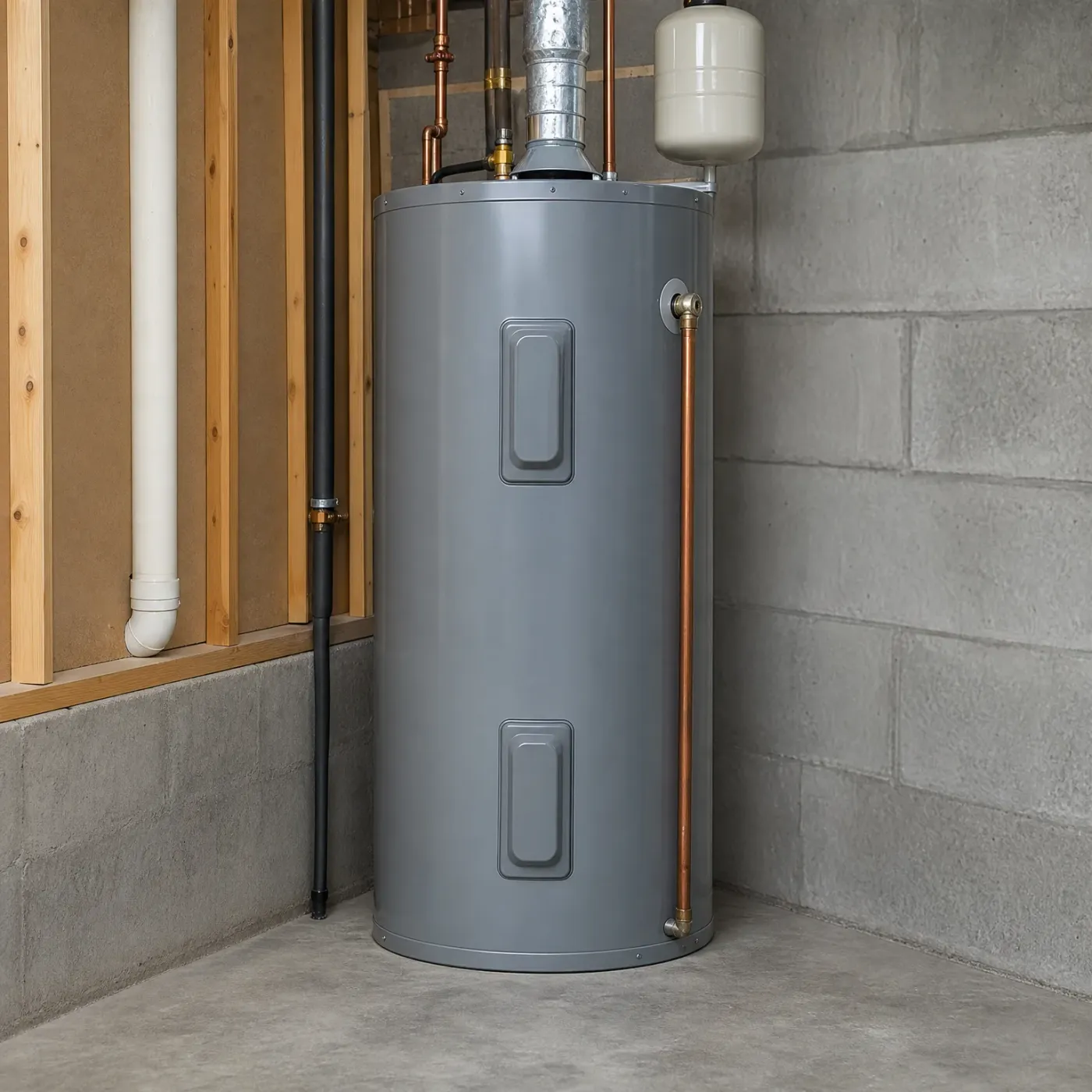
A sound water heater sits connected and quiet, feeding off copper lines with a drain pipe ready if pressure needs to release. The tank cycles, heats fully, and the expansion tank above holds the swings without strain. No rust, no deposits, nothing to look at twice.
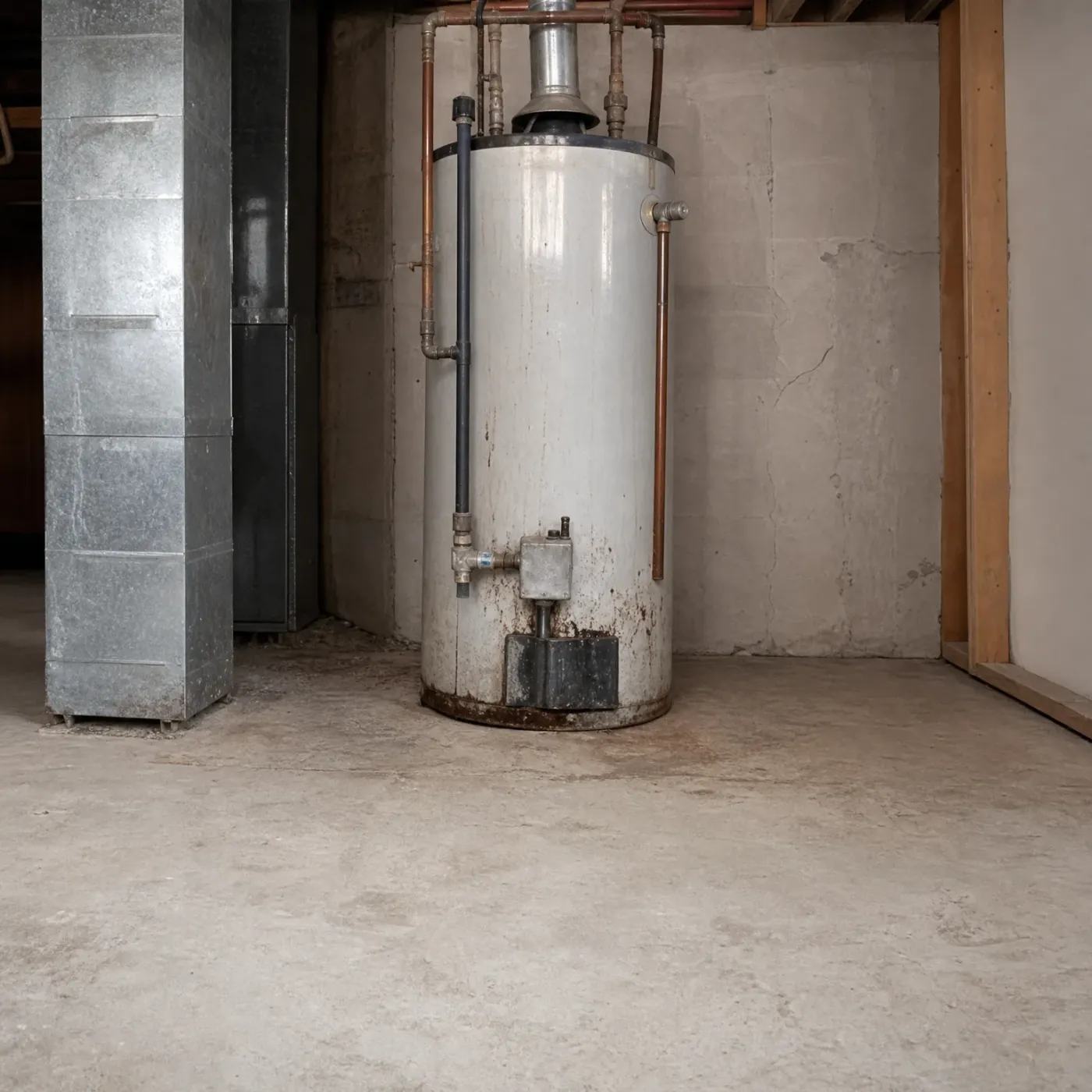
Rust like this on the tank shell usually means the inside isn't much better. A gas unit this corroded has likely been losing capacity for a while, and the burner or the vent may already be struggling. Once the shell shows it, the tank is close to done.
Most houses in Vermont are set up this way, oil for heat and a separate electric water heater doing all the work of keeping your showers warm. That tank has no backup from the furnace. If the lower element burns out, electricity is the only thing standing between you and a cold rinse.
ACS 2020-2024 5-year B25040
A contractor checks the lower element or burner first.
A multimeter tests the element for continuity and power draw.
Sediment gets drained and flushed from the bottom of the tank.
A failed element or burner gets replaced and the tank retested.
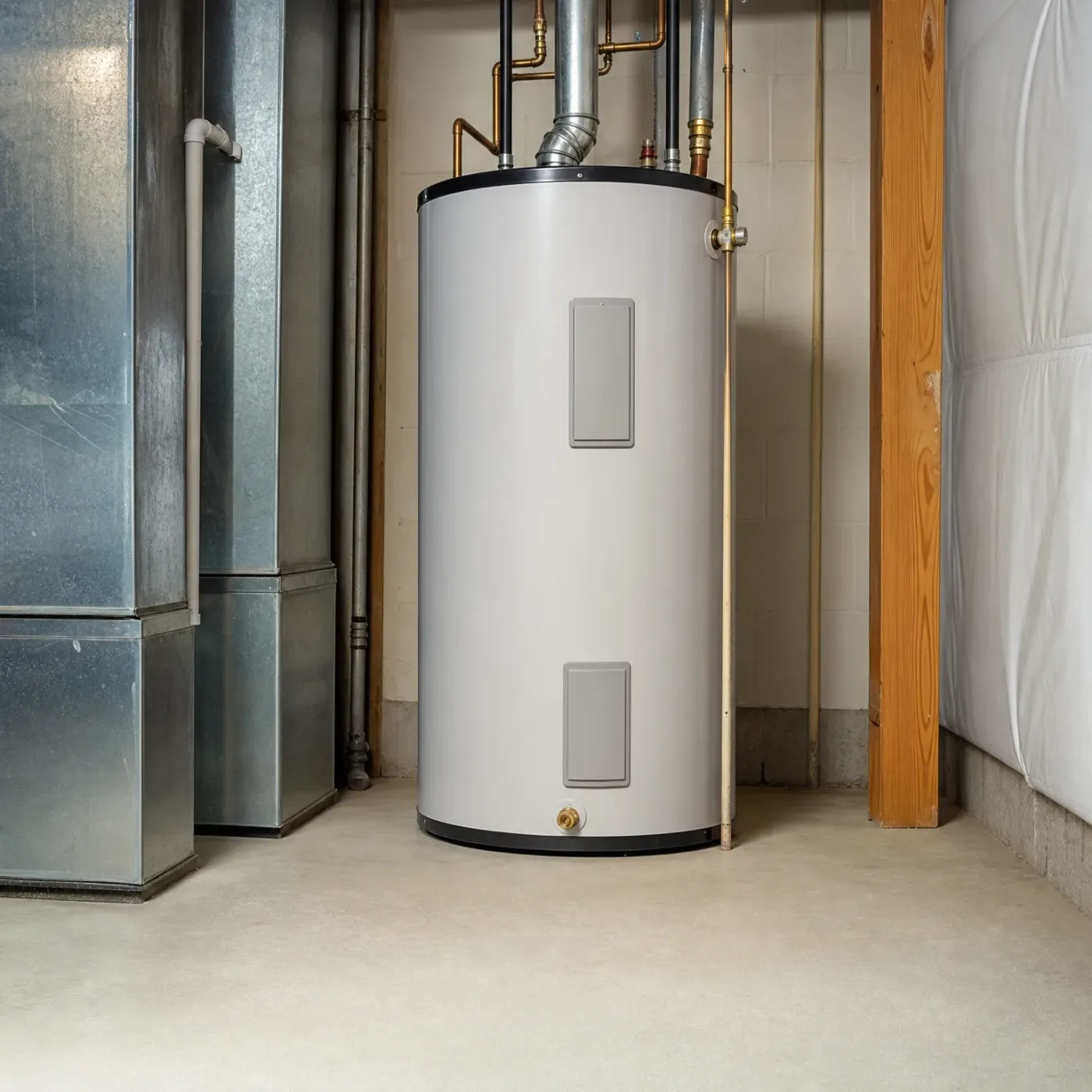
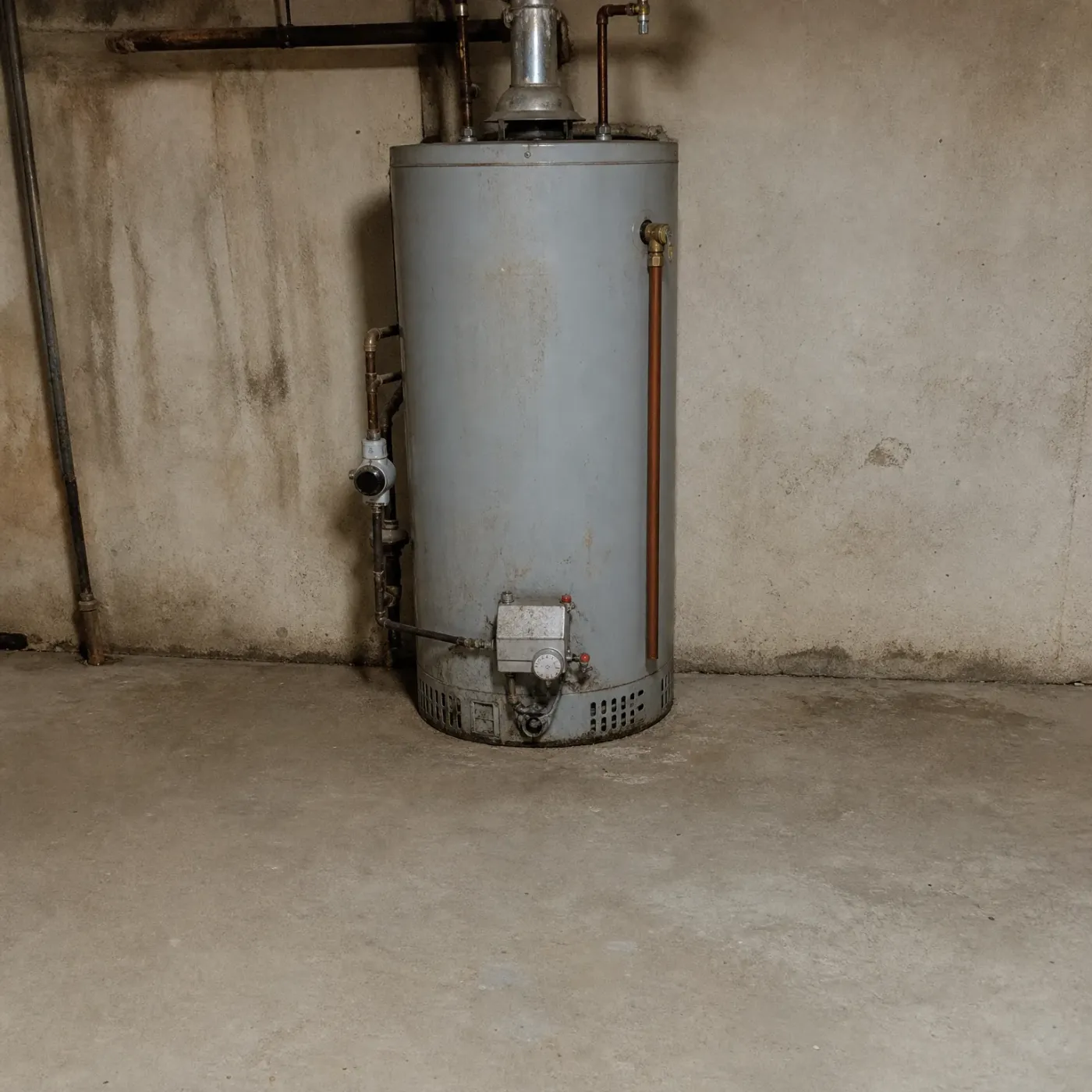
A tank that runs cold fast is telling you something specific. It isn't guessing when it's out of hot water, it's out of hot water because the bottom of the tank never got heated in the first place. That's the lower element or burner, and once that part fails, the top of the tank can still feel warm while everything below it sits cold. Sediment can cause the same symptom without any part failing, which is why a flush sometimes solves it on its own. Either way, it's a known failure with a known fix, not a mystery that needs guesswork.
What makes this easier in Vermont is that the person checking it has seen this exact setup before. Oil heat and an electric water heater is the normal arrangement here, so a contractor working these tanks all year already knows the lower element is the first thing to test, not the last. That's not a guess made on your doorstep. It's someone who's replaced this part on tanks just like yours enough times to know what usually fails and what usually doesn't.
Sending the request connects you with one licensed contractor local to you, not a handful of companies competing for the job. One visit, one diagnosis, one person who already knows what they're looking at. From there, testing the element, flushing the tank if sediment's the cause, or replacing the part if it's failed is what gets the tank back to heating fully, top to bottom.





Your request stays with one local pro.
Sending the form costs nothing.