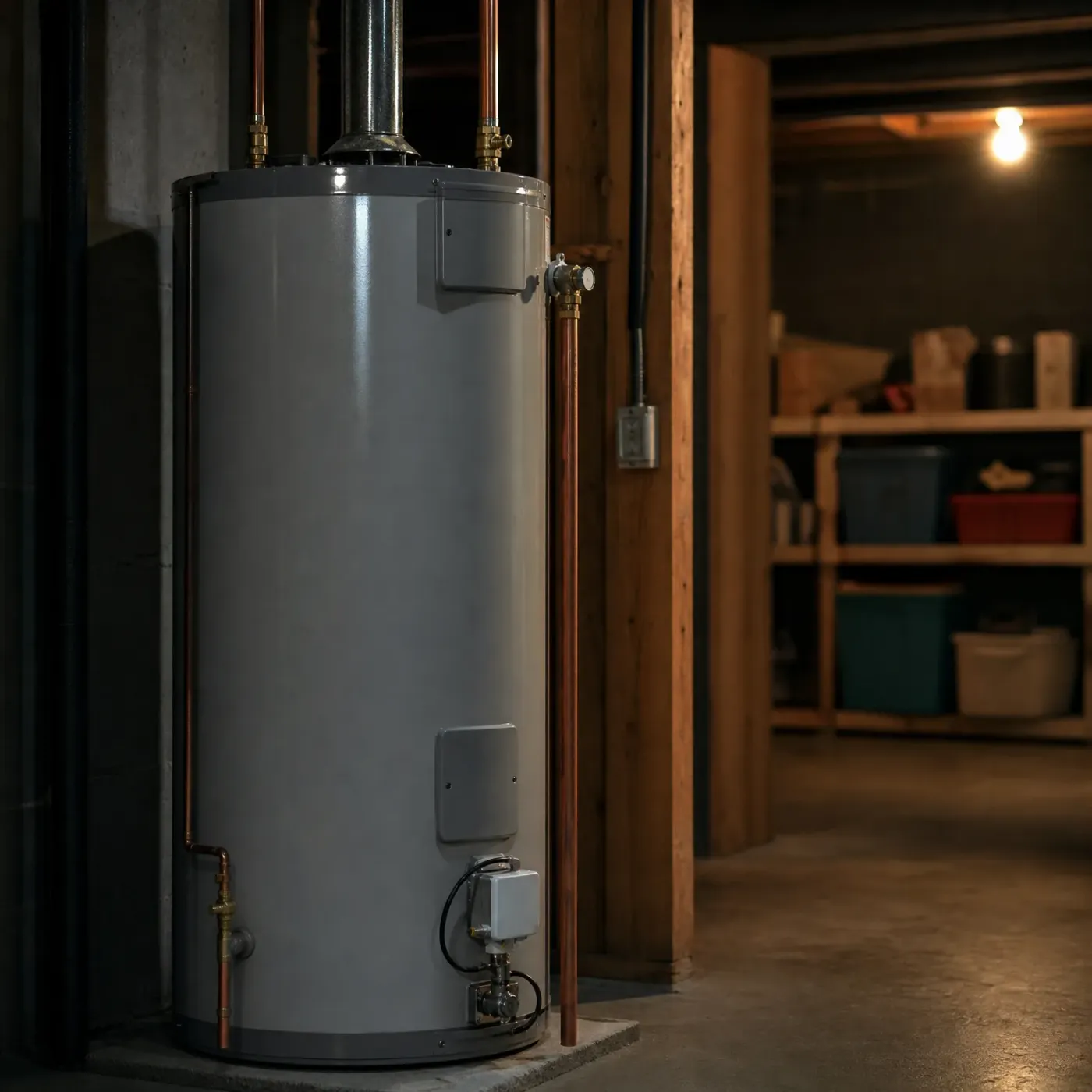
A large gray cylindrical water heater with copper pipes and a metal flue stands on a concrete pad in a dim basement, with wood framing and shelves of storage bins lit by a bare bulb behind it.

Skip calling around

Tank or tankless water heater for a Vermont home

Choosing between a tank and a tankless water heater comes down to how your home runs, especially with oil heat and power rates as high as Vermont's. This page gets into what each one means for your setup. Instead of calling around to different installers and explaining your house every time, you'd get matched with one local contractor who installs these year round.

Skip the calls

Most Vermont homes do fine with a tank, and the reason is usually what's already in the basement. If your water heater runs on oil, alongside an oil furnace or boiler, a tank keeps that setup simple, since switching to tankless almost always means switching to gas or electric. Electric tankless units pull a lot of power to heat water instantly, and with Vermont's electric rates among the highest in the country, that demand shows up on the bill every month, not just on install day. A tank, electric or oil, heats water ahead of time and holds it, so the draw is steadier. Tankless makes more sense where gas is already piped in or where a household wants to stop running out of hot water. For a lot of homes here, replacing an oil tank with another oil tank is the straightforward path, and it's worth checking what your current unit runs on before deciding anything else.

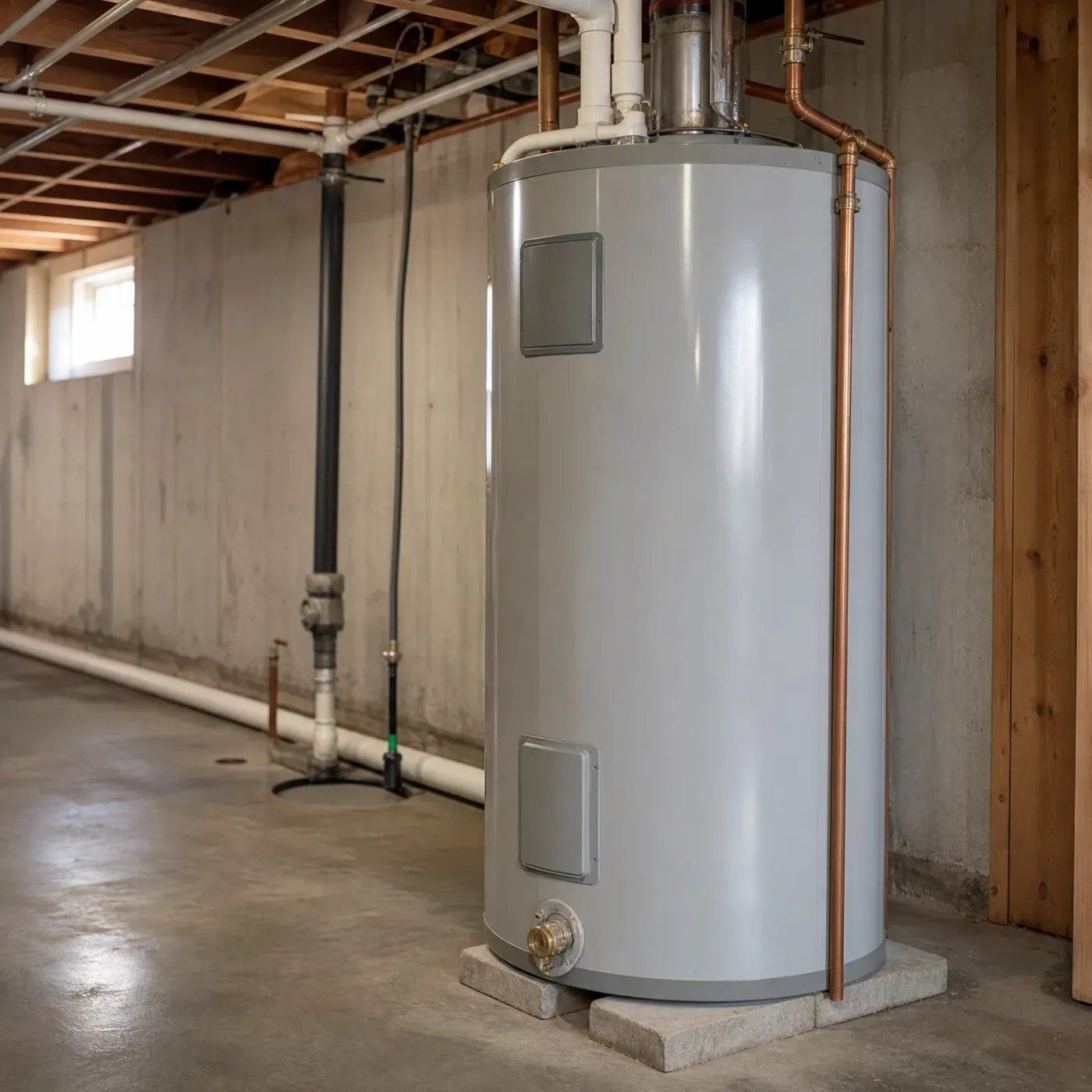
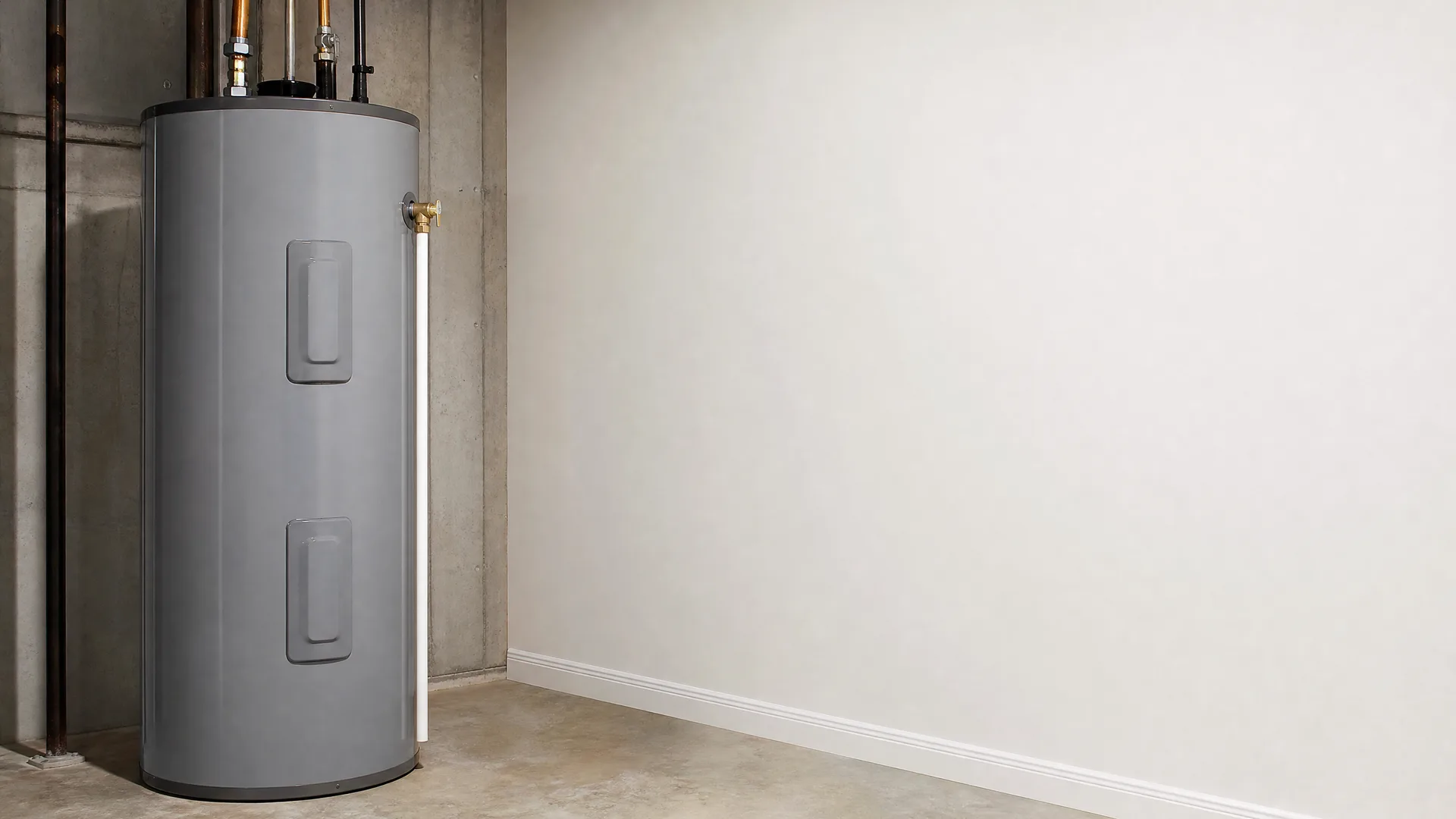
A gray cylindrical electric water heater with two access panels stands in a corner of a room with a concrete floor, connected to overhead pipes and a white drain pipe, beside a plain light-colored wall.

Electric tankless and Vermont rates

An electric tankless unit draws a lot of power for the few minutes it's running, far more than the rest of your house pulls at once. With power rates among the highest in the country, that spike shows up on your bill every time someone runs a shower. A gas tankless unit doesn't have this problem, but if your water heater runs on oil, there's no gas line to tie into, so this question usually only applies to homes already set up for gas or ready to convert.

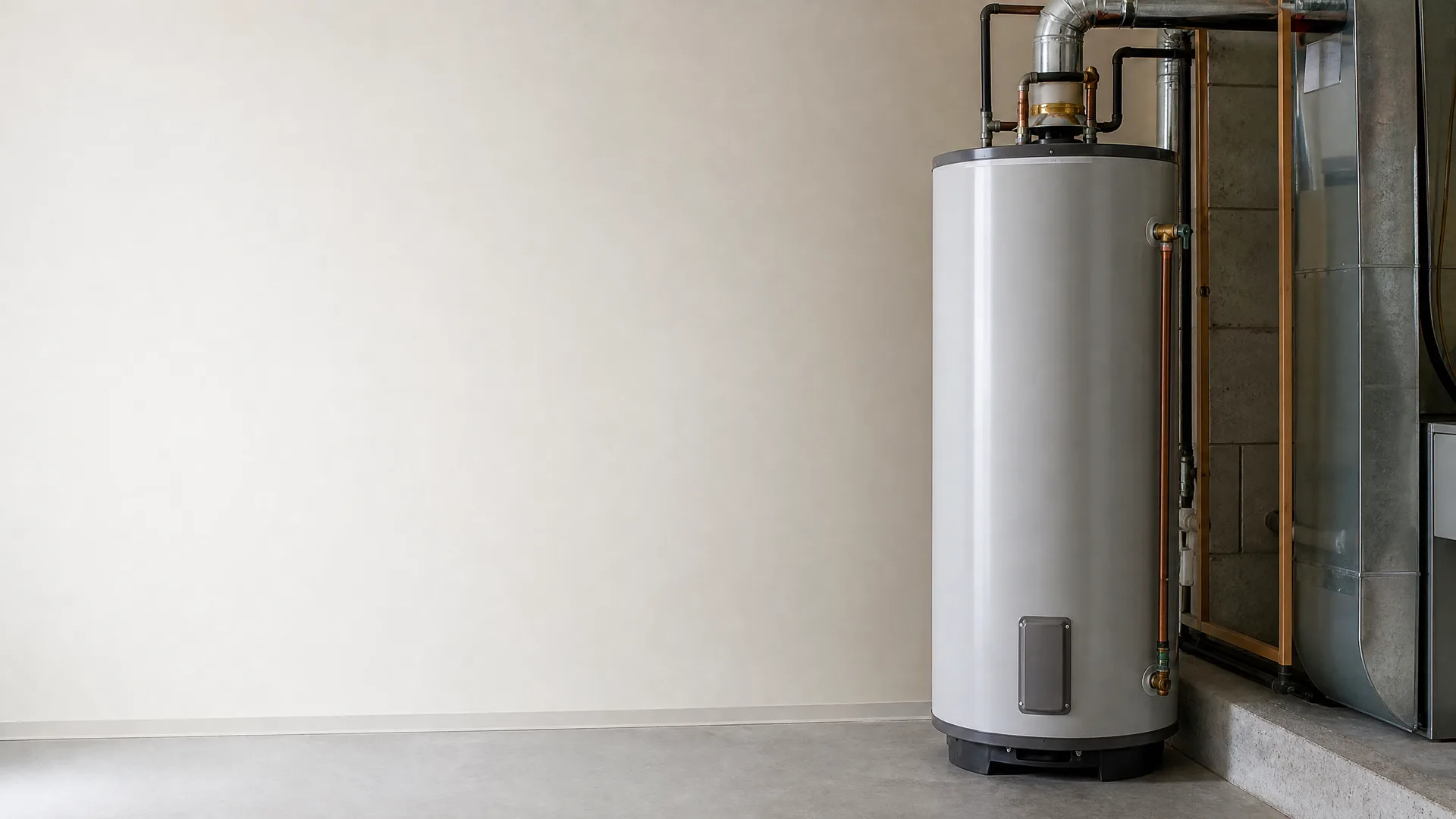
A tall cylindrical water heater with copper and metal pipes at its top stands against a plain beige interior wall on a concrete floor, beside ductwork and a raised concrete step.

What a tank gives up for space

A tank water heater holds its water hot around the clock, whether anyone uses it or not, which is where some of its running cost comes from. A tankless unit heats water only as it flows, so it isn't paying to keep a tank hot all day. That difference matters more in a house where the water heater runs on electricity than one where it runs on oil alongside the furnace, since oil heat already carries most of the load.

Does a tankless water heater run out of hot water?

You've heard tankless means endless hot water, and you're wondering if that's really true or just how it's sold. Maybe you're picturing a full tub, or back to back showers on a cold February morning, and you want to know if the unit will keep up or if you'll still hit a wall partway through.

No, but it doesn't run out the way a tank does either

A tank holds a set amount of hot water, and once it's drawn down, you wait for a new tankful to heat. A tankless unit doesn't store anything. It heats water as it passes through, so in theory it keeps going as long as the tap is open. The limit isn't volume, it's flow rate. Every tankless unit is rated for how many gallons per minute it can heat at once. Run a shower and the dishwasher and a load of laundry at the same time, and you can ask for more hot water than the unit can deliver in that moment. The water coming out gets cooler, not absent. One fixture at a time, it won't run out at all.

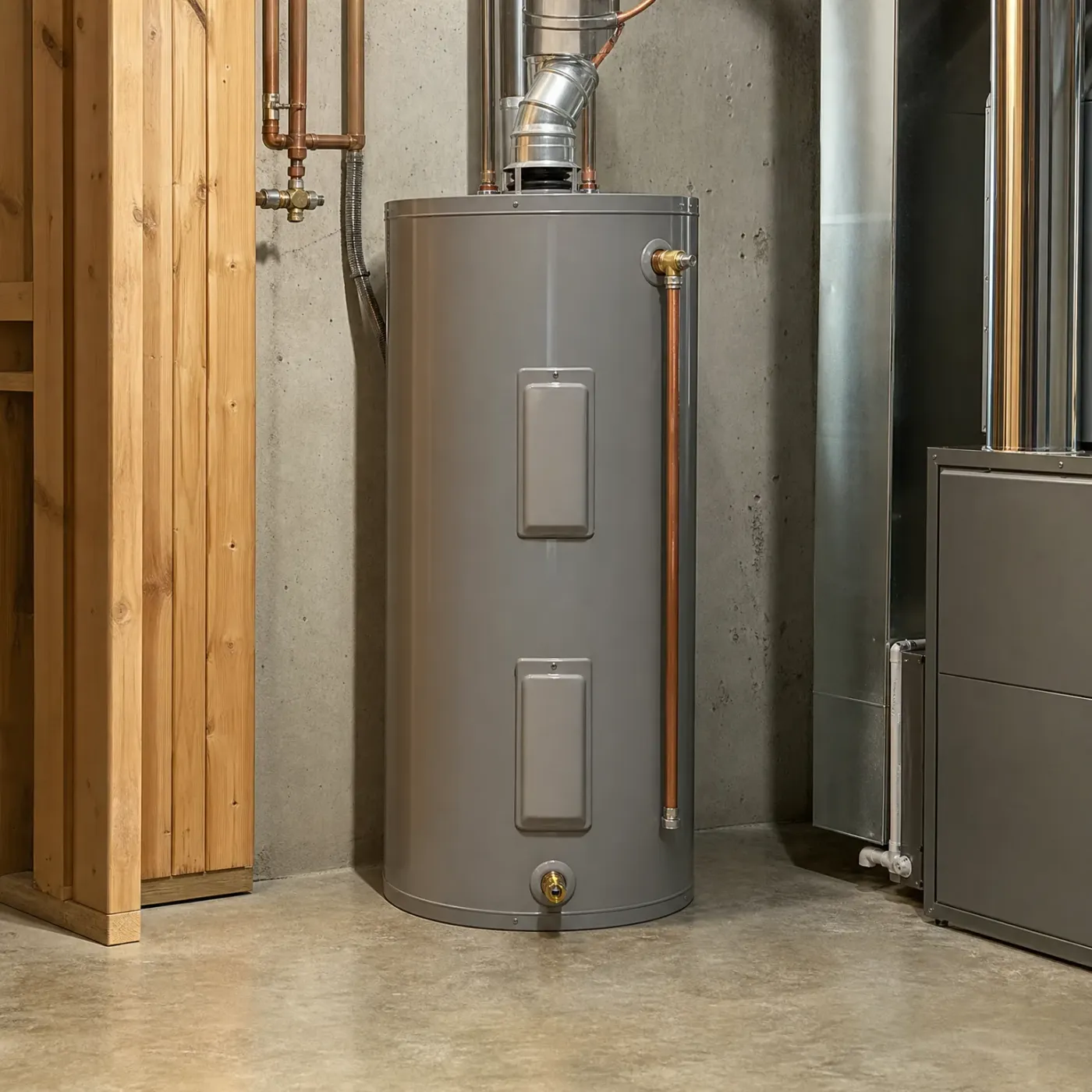
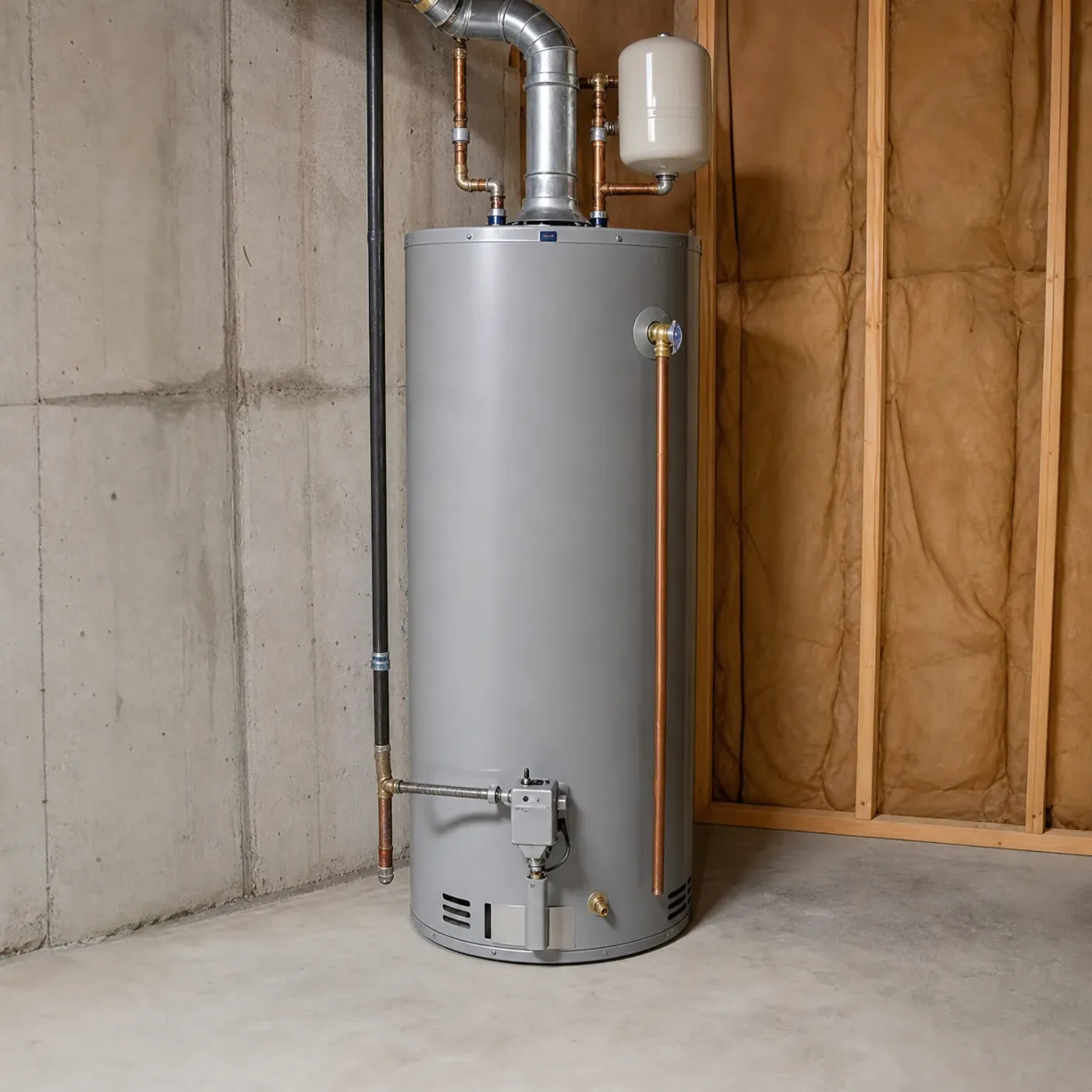
A gray cylindrical gas water heater with copper piping, flue vent, and a small expansion tank stands in a basement corner between a concrete wall and an insulated stud wall.

Tank, working as it should

A gas tank like this one ties into the flue and gas line already in your basement, with an expansion tank for the pressure changes as water heats. If yours runs on oil alongside your furnace, this is the setup a Vermont installer sees most and knows how to keep running.
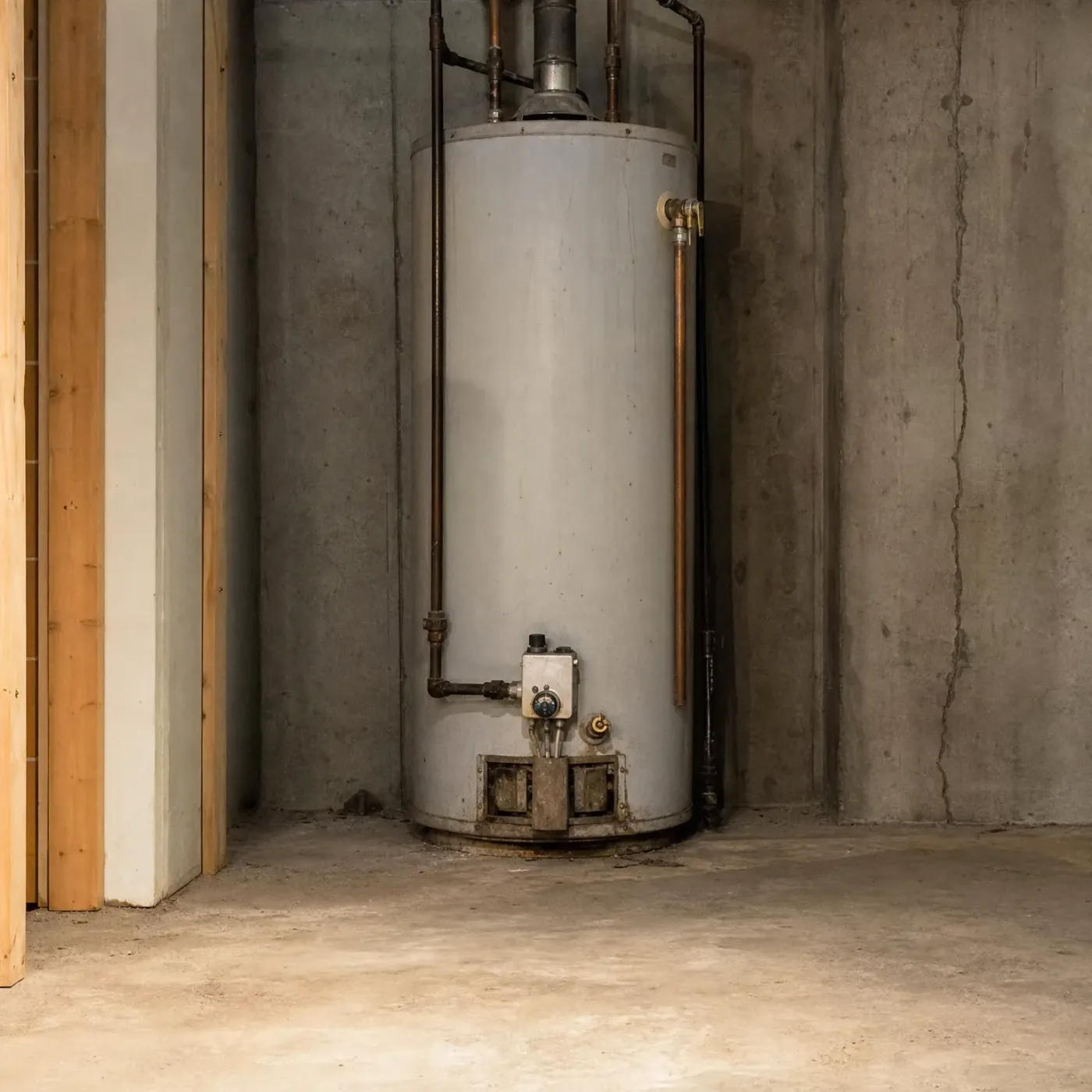

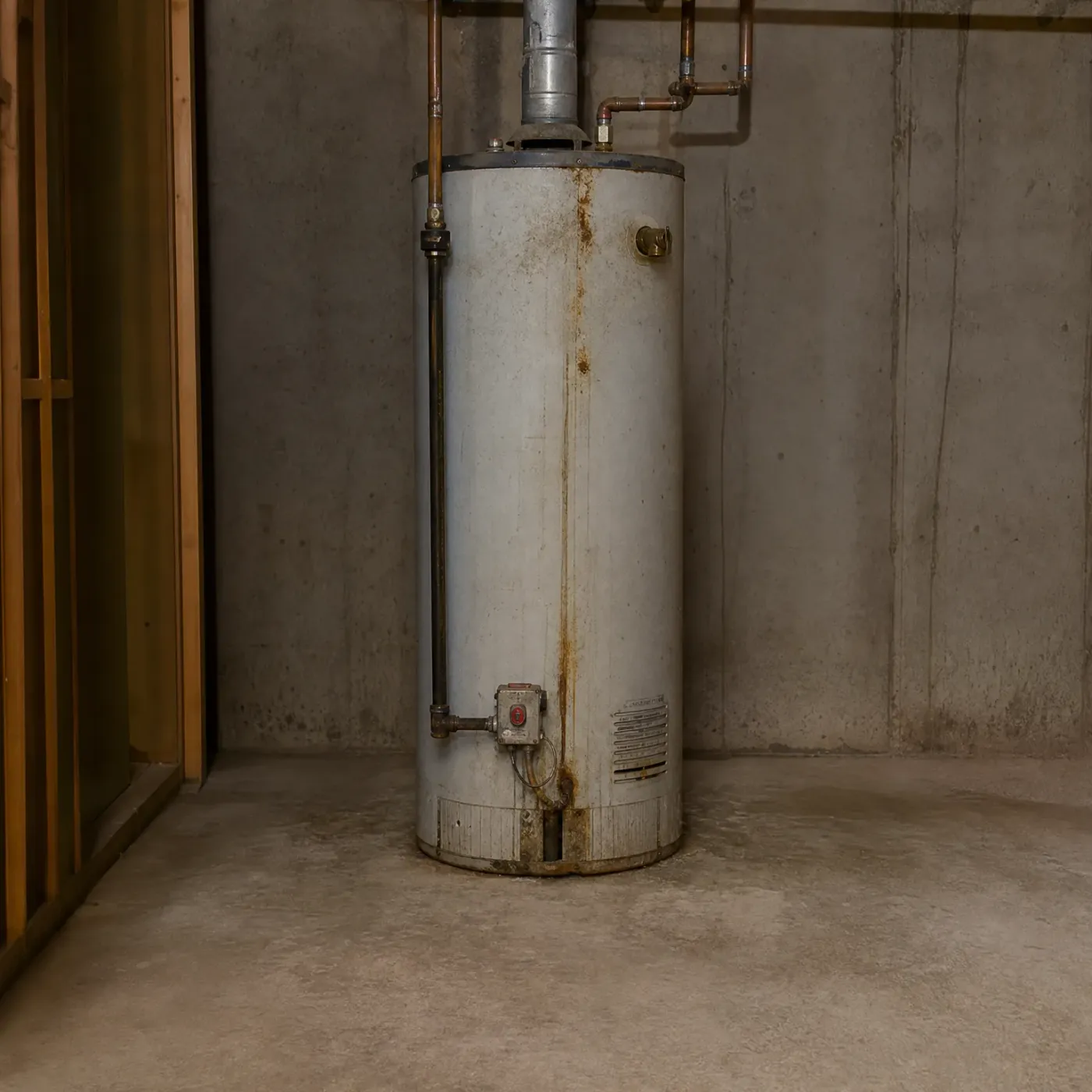
An older gas water heater with copper and black pipes stands in the corner of a bare concrete basement next to a wood-framed partition wall.

Tank past its years

The corrosion risk goes up the longer a tank sits, and that control valve at the base is one of the first things to go. A local installer who services these every season can tell you from the dial and the pipe fittings whether yours is worth repairing or ready for replacement.

A smiling woman with dark shoulder-length hair in a cream V-neck sweater sits at a marble counter with a glass of red wine, with a kitchen and softly lit living room behind her.
A woman in a dark green sweater laughs while seated at a marble kitchen island with a glass of red wine, with open shelving, cabinets and a living room visible behind her.
A woman with long dark hair in a cream knit sweater laughs while looking off to the side, seated at a counter with a glass of red wine, in a dimly lit living room with a sofa, lamp, framed pictures and houseplant behind her.
A smiling woman with long dark hair in a beige sweater sits at a marble kitchen counter with a glass of red wine, with a dimly lit living room behind her.
A large white cylindrical water heater on concrete blocks in a basement with poured concrete walls, exposed joists, copper and PVC piping, and a small window.

Describe it once

Your request goes to one pro, not a list of companies.

Skip collecting and comparing quotes for the new water heater.

Answer a few questions

You're not committing to anything by asking.

Why is your water heater running out so fast

If you're asking this, chances are someone in the house just got hit with cold water mid-shower, or the dishwasher and a load of laundry ran back to back and left nothing for the second shift. With a tank, hot water is a fixed amount, and once it's gone, you wait for it to recover. You might also notice the tank making a low rumble as it heats, or taking longer to recover than it used to. That slower recovery is often sediment building up in the bottom of the tank, and left alone for years, it can shorten how long the tank lasts before it needs replacing.

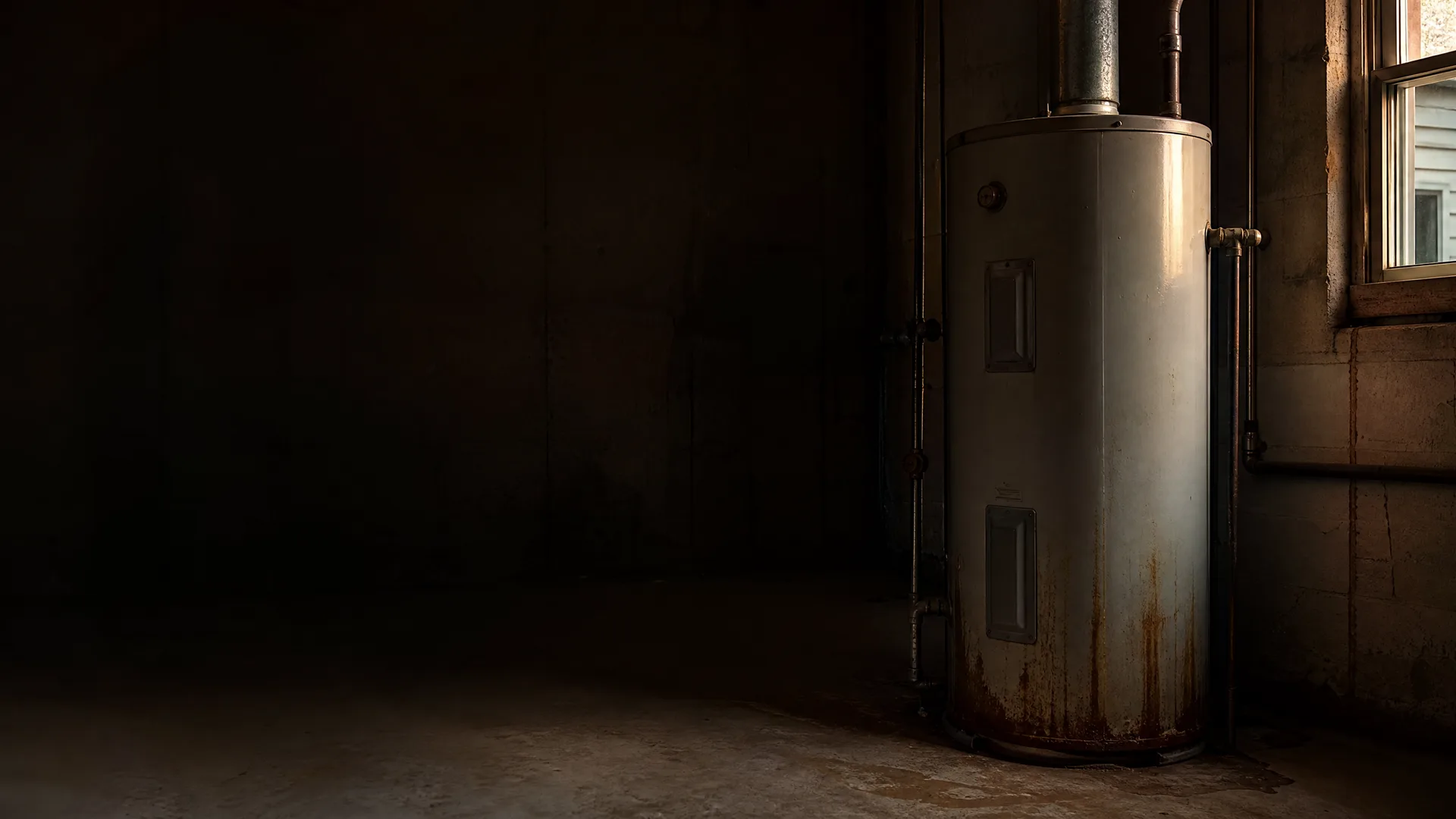
A rusting cylindrical water heater with connected pipes stands against a dim concrete basement wall near a window.

You go down to the utility room after dinner to grab something off the shelf, and the overhead bulb catches it before you're even looking for it: a thin rust line running down the side of the tank, pooling where the base meets the concrete floor. It's dark out already, the way it gets by early evening this time of year. The tank's been humming along in that corner for years, same as always, and now there's this stain you don't remember seeing last week. You crouch down, touch the floor near it, and it's damp. You stand there a minute, working out how long it's been doing this.

38.5% of homes statewide heat with fuel oil

Oil heats more Vermont homes than any other fuel, and if that's your setup, your water heater probably already shares the flue or the same oil line. A tank keeps that arrangement intact. Tankless usually means pulling it out and wiring in electric or running new gas, work most oil-heated basements weren't built for.

ACS 2020-2024 5-year B25040

A tank holds its water hot around the clock, so the recovery time between uses is short and the parts a Vermont plumber stocks on the truck fit almost every setup already in the basement.

A tankless unit heats water only when you ask for it, so there's no standby loss, but the gas line or electric service it needs often has to be upsized before it can go in.

An aging rust-streaked gas water heater with copper and galvanized pipes stands against a bare concrete basement wall beside wooden stud framing.
Before you get your water heater installation
A gray cylindrical water heater with two access panels and copper piping stands against a concrete wall in a basement, beside wood framing and metal ductwork.
After you get your water heater installation

Tank

Stays tied into the oil line or flue already running to your furnace. One installer who knows that setup handles it, instead of you sorting out who else to call.

Describe it once

Tankless

Means rerouting gas or wiring in electric, and checking that against what power costs here. Worth a straight answer before you commit the basement to it.

Describe it once
A closed laptop and a cream mug of coffee on a coaster sit on a dark wooden table, with a potted plant at left and a kitchen counter, tiled backsplash and shelf of ceramics in the background.

Tank or tankless, the choice comes down to what's already in your basement

If your water heater shares a flue or an oil line with your furnace, a tank keeps that arrangement working the way it already does. If you're set on tankless, that means rerouting gas or wiring in electric, and weighing that against what power costs here. Either way, the setup you have now is the biggest factor in which one makes sense.

Working out which installer handles both oil-tied tanks and tankless conversions, then getting someone out to actually look at your basement, is most of the work in this decision. A local installer who works on Vermont setups all year has likely seen yours before and knows what it takes to do it right. Once you're matched with one, that's the only call you make.

A living room corner with a light beige sofa holding a textured taupe cushion, a large ceramic vase of olive branches by a window, a framed neutral artwork on the wall, and a dark bowl with stacked books in the foreground.
A smiling bearded man in a navy sweater sits at a candlelit dinner table with a glass of red wine, a bowl of salad, and plates of food in the foreground.
A woman with dark hair in a bun reclines on a sofa with her eyes closed, wrapped in a cream fleece blanket, a closed blue hardcover book resting in front of her, with a lit lamp and a vase of dried flowers in the background.

Water Heater Installation

One form, no calling around

The pro who reaches out is licensed in Vermont.

A black-framed smartphone standing upright against a plain white background, its screen filled with solid green.
Step 1 of 3: Equipment