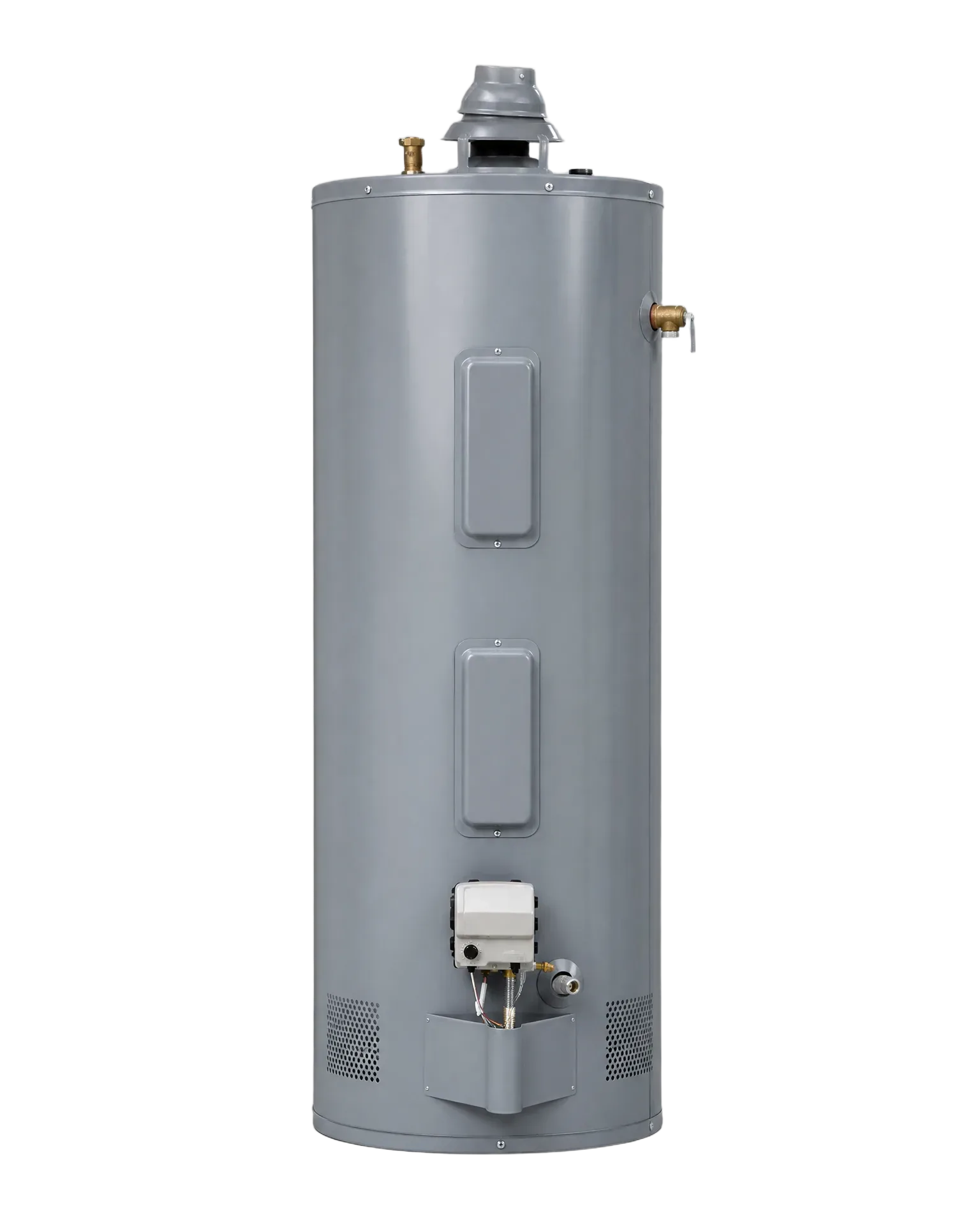
Most Vermont homes should stick with gas for the water heater if gas is already there, and lean electric only when there's a real reason to switch. Power here costs among the most of any state, so an electric tank or an electric heat pump water heater will cost more to run than a gas unit of the same size, month after month. The exception is a home with no gas line at all, where most of the heat comes from oil and running a gas line in just for a water heater rarely pencils out. In that case an electric heat pump water heater is worth a look, since it uses a fraction of the power a standard electric tank does, even if it costs more upfront and needs room around it to draw in air. If gas already runs to your house, replacing a gas water heater with another gas one is almost always the simpler, cheaper path.
38.5% of homes statewide heat with fuel oil
If your house runs on oil heat, like most in Vermont do, your water heater is probably a separate gas or propane tank rather than tied into that system. That's the setup worth keeping when it's time to replace it, since switching to electric means paying the state's high power rates to do the same job oil or gas already handles well.
ACS 2020-2024 5-year B25040
How Each Type Actually Works
- A gas tank heats water with a burner under the tank, so recovery after a full shower schedule is fast even if the tank runs small.
- A standing pilot light stays lit around the clock and needs no power, so a winter outage won't leave you without hot water.
- Electric heat pump water heaters pull most of their heat from the air around them, which works against them in a cold basement all winter.
- Venting a gas water heater means running a flue to the outside, either through an existing chimney or a dedicated vent pipe, which matters if you're moving the unit.
- An electric tank relies on one or two heating elements submerged in the water, and either one can fail without affecting the other.
- A gas water heater needs a gas line sized correctly for its burner, something worth confirming before swapping in a larger unit.
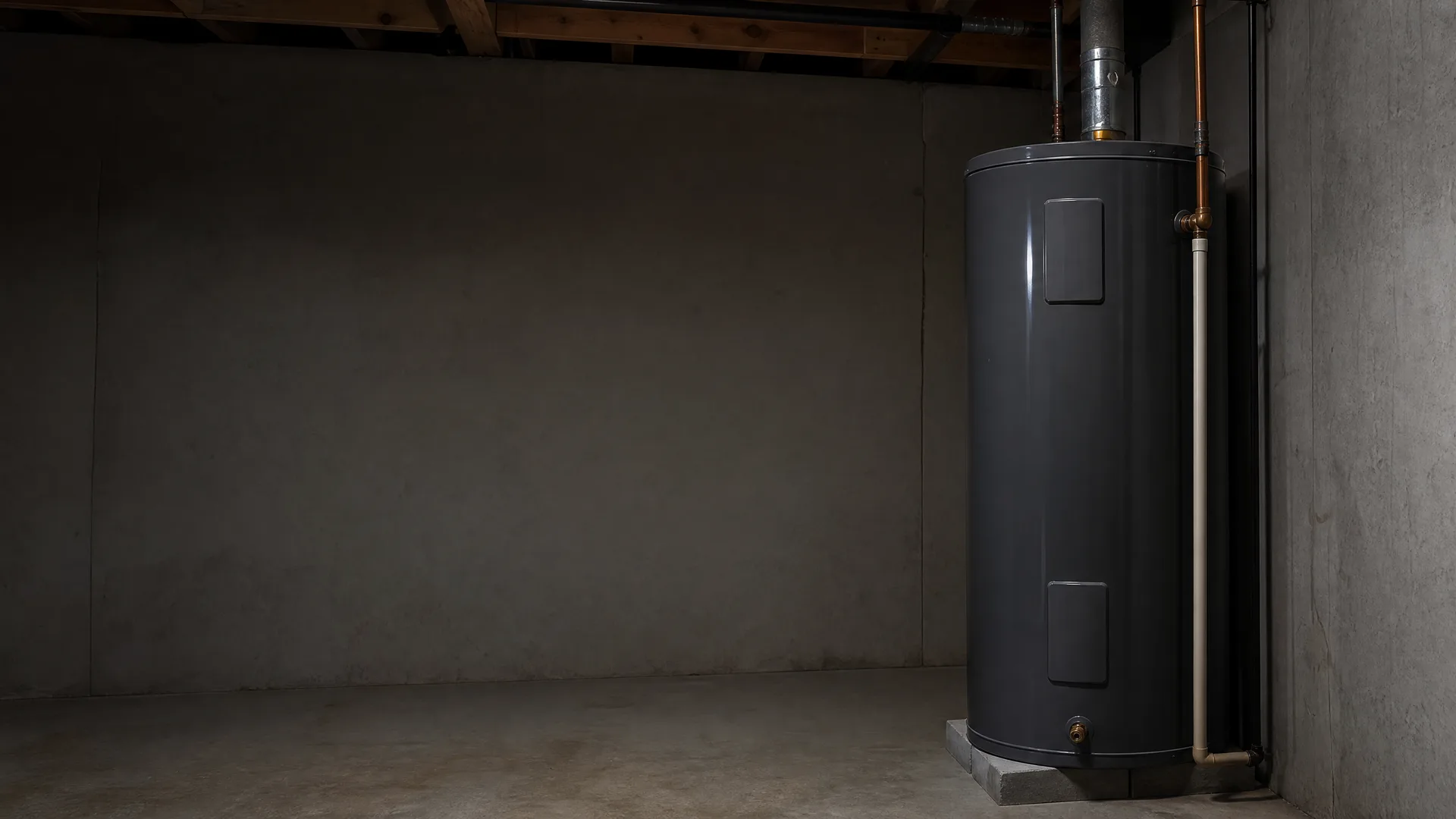
A gas water heater burns fuel under the tank, and that burner can push heat into the water fast enough to keep up with back-to-back showers even on a smaller tank. The pilot stays lit whether the power is on or not, which matters when an ice storm takes down the grid for a day and your furnace needs electricity to run but your hot water doesn't care either way. Getting the exhaust out means a flue, and that flue either ties into a chimney that's already there or needs its own vent pipe run to the outside wall. If you're thinking about relocating the tank, that venting path is often the deciding factor, not the tank itself. An electric tank skips all of that. No flue, no gas line, just one or two elements sitting in the water, and if one burns out the other usually keeps working until a contractor gets to it. A heat pump water heater works differently again. It pulls heat out of the air in the room and moves it into the tank, which is efficient in a warm space but struggles when that space is a basement sitting at 50 degrees for half the year. The gas line itself is worth a second look too. A bigger unit draws more gas, and the line that fed the old tank may not be sized for a new one.


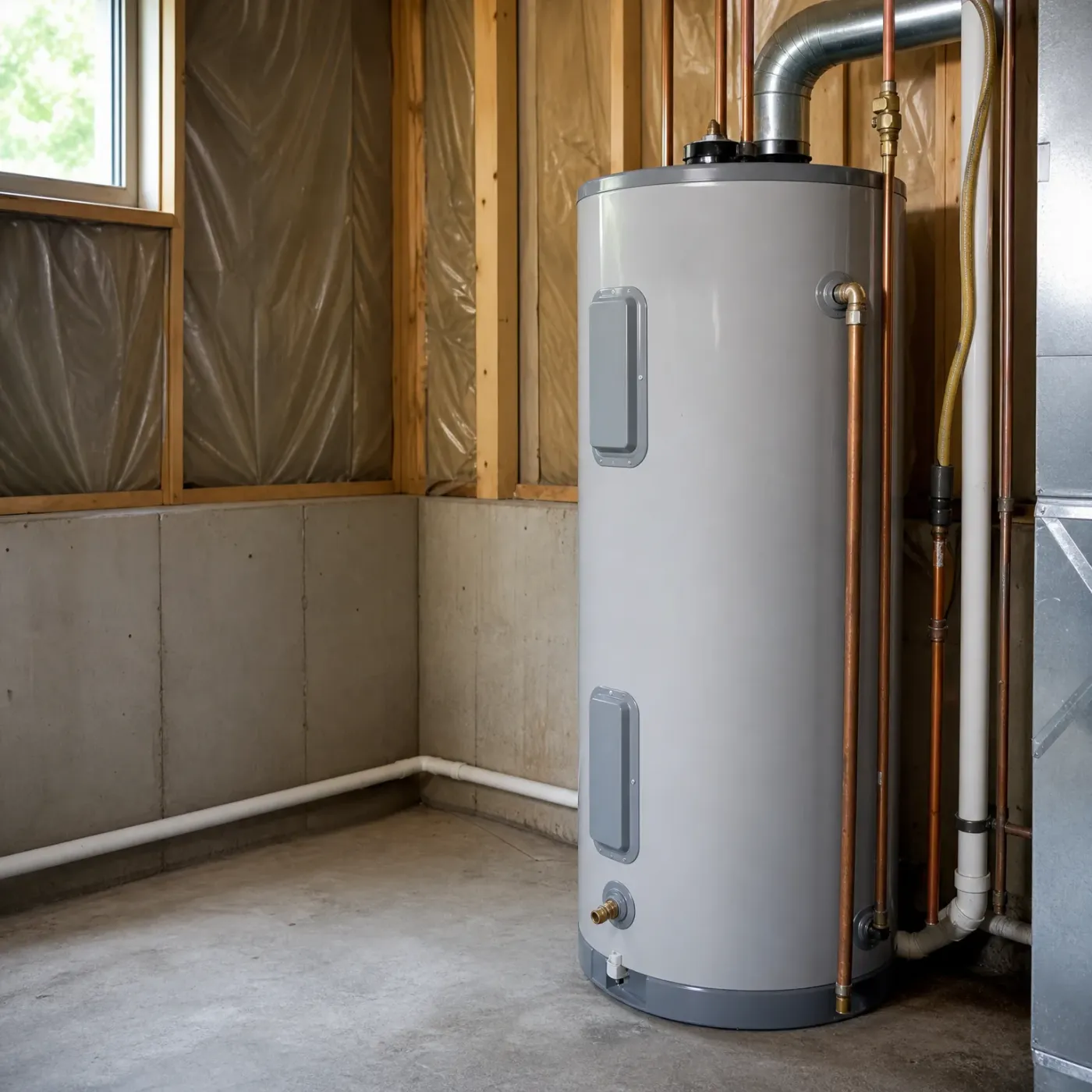
A local pro for your water heater installation
Answer a few questions instead of calling shop after shop.
A local installer who puts in water heaters gets your project.
Sending the form costs nothing.



A plumber checks whether your vent and gas line still fit code.
The old tank gets drained and disconnected from gas and water.
The new tank goes in and gets connected to vent, gas and water lines.
The pilot gets lit and the thermostat set to temperature.




Is your water heater about to let you down?
A tank that's struggling shows itself. Hot water runs out faster than it used to, or it takes longer to heat back up between showers. You might hear popping or rumbling from the tank, a sign of sediment building up on the bottom. Rusty water, a pilot light that won't stay lit, or a damp spot on the floor around the base are all worth paying attention to. Left alone, a failing tank can stop heating altogether or start leaking, and in a Vermont winter you don't want to find that out the hard way. If your tank is old enough that you can't remember installing it, that's reason enough to start thinking about what comes next.
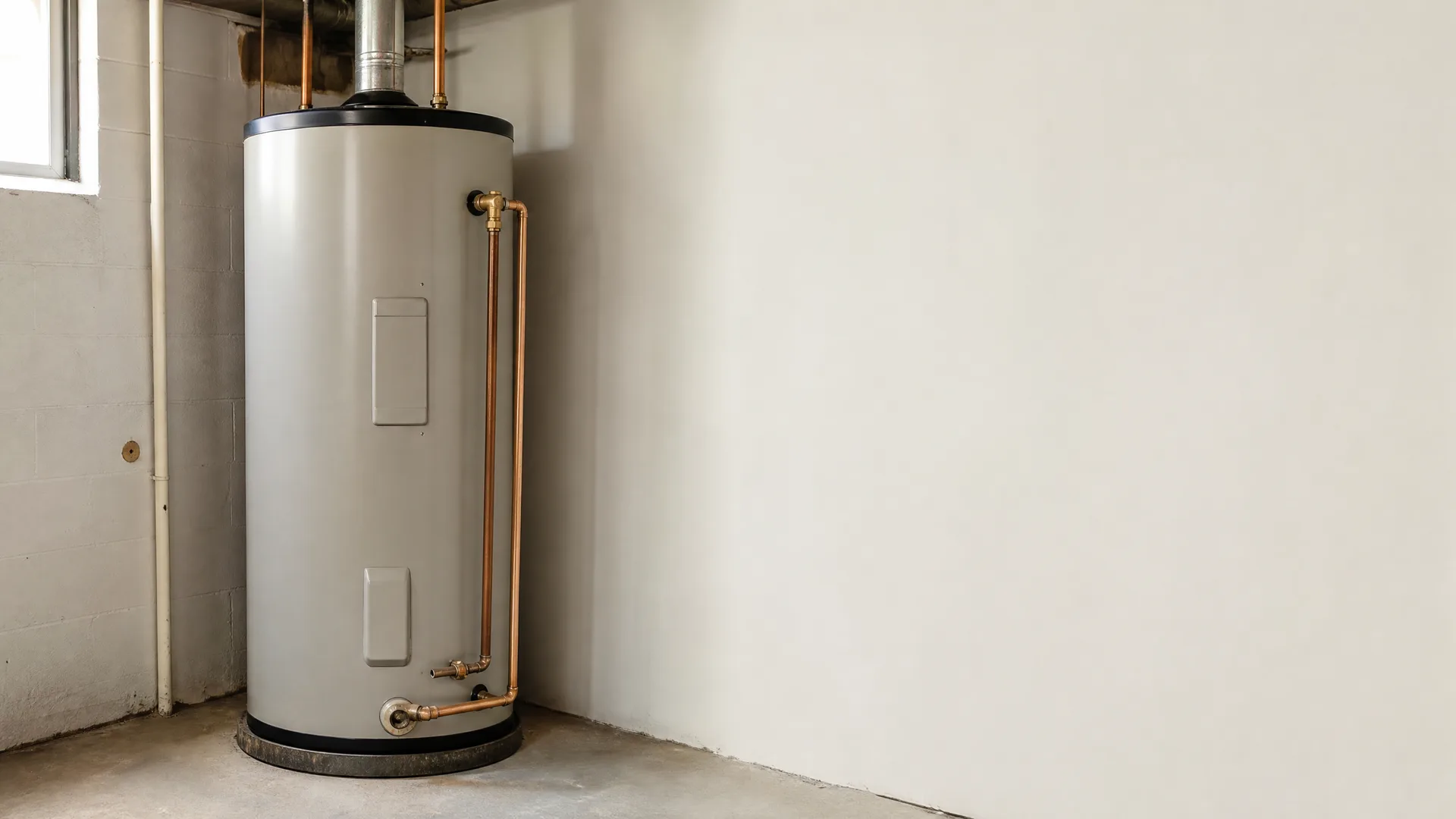
What a heat pump unit needs
An electric heat pump water heater pulls heat from the air around it, so it works best in a basement that stays above 40 degrees and has enough room, usually around 1,000 cubic feet, for air to move through. Put it in a small closet or an unheated space and it loses efficiency or won't run right. A Vermont basement that stays cold most of the winter may not be the right spot for one.
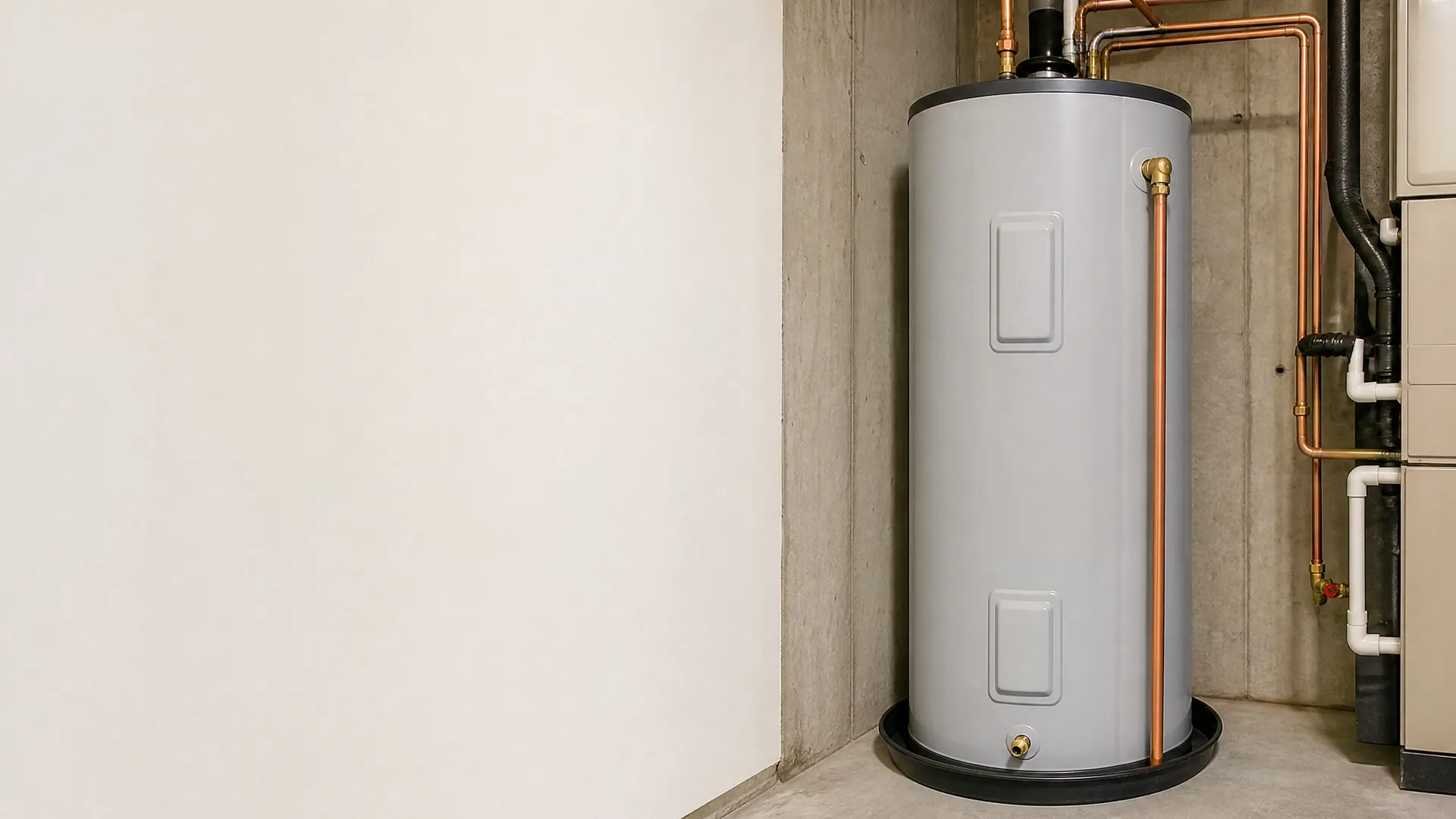
Venting is part of the job
A gas tank has to vent exhaust outside, either through a metal flue tied into the chimney or through a sidewall vent on a power-vent model. Swapping tank sizes or moving the unit to a new spot in the basement can mean rerouting that vent to meet code. It's one more reason a straight swap, same fuel and same spot, tends to go faster than a switch from gas to electric or a relocation.

Gas stays the right call for most Vermont homes
If your water heater runs on gas or propane now, replacing it with the same is the straightforward path. It fits the gas line and vent already in place, it recovers fast, and a standing pilot keeps working if the power goes out. Switching to electric means new wiring, a mild basement, and a bill that reflects what Vermont charges for power. None of that rules it out, but it's a bigger decision than swapping in a new tank.
Getting there still means finding a plumber who knows what your house needs, whether that's a straight tank swap or a harder look at whether electric makes sense for your basement. A contractor who takes on the job can walk your situation instead of a general one, and reach out once they have a sense of what you're working with. That's one less set of calls to make and one less time explaining the same thing from scratch.

Get the right pro for your water heater
Describe your water heater job once, to one pro.